




Buyer enablement ownership should not feel like a turf war. When business development, sales enablement, and RevOps all think they own the buyer experience, things slow down, deals stall, and everyone gets a little frustrated. This matters most in the messy middle of the funnel, when big buying committees are trying to make a decision and your teams are not quite aligned.
We want to help clear that up. We will walk through what modern buyer enablement really is, who should own it, how to use a simple RACI model, and how to manage handoffs so your business development enablement platform actually drives revenue instead of confusion.
Stop the Ownership Tug-of-War Over Buyer Enablement
Buyer enablement is becoming a power spot inside revenue teams. As more people join buying committees and decisions drag on, whoever owns buyer enablement often shapes how the whole go-to-market motion works. No wonder different teams pull on it.
When ownership is fuzzy, you tend to see:
- Duplicated content and effort
- Mixed messages going to the same account
- Data living in separate tools that never line up
The good news is, this is fixable. A clear RACI model, with explicit handoffs between teams, turns your business development enablement platform into a shared system everyone can trust, especially as you plan for big Q3 pushes and end-of-year deals.
Defining Modern Buyer Enablement Across the Funnel
Buyer enablement today is not just PDFs and slide decks. It is about interactive, personalized digital experiences that help buying groups:
- Self-educate on their own time
- Compare options side by side
- Build internal consensus without waiting for a meeting
Sales enablement and buyer enablement are related but not the same:
- Sales enablement equips sellers to sell better
- Buyer enablement equips buyers to buy with more confidence
A business development enablement platform sits in the middle as a single, data-driven hub. It lets marketing, BD, and sales work from the same interactive content, see how committees engage, and keep the story consistent from the first outbound touch to the final approval.
Roles, RACI, and When BD Should Own Buyer Enablement
A strong buyer enablement program needs a few core functions:
- Strategy: where and how buyer experiences support the revenue plan
- Content and experience design: interactive journeys, visuals, and stories
- Tech and data operations: integrations, tracking, and reporting
- Field adoption: training and coaching so teams actually use it
- Ongoing optimization: testing, feedback, and updates
A simple RACI starting point often looks like this:
- Business Development: Responsible for strategy and early-funnel experiences, often Accountable when outbound is the main growth engine
- Sales Enablement: Responsible for field adoption and training, Consulted on content
- RevOps: Responsible for tech and data, often Accountable for integrations and reporting
In matrixed orgs with regions and product lines, we usually see global teams Accountable for the model, with regional teams Responsible for local execution. The trick is to write this down, agree who signs off on changes, and avoid creating “shadow” enablement teams.
Business development should typically own buyer enablement when:
- You run complex outbound or ABM motions
- Early and mid-funnel shaping is where the biggest wins are
- BD already drives target account strategy
In that model, BD:
- Defines use cases and account journeys
- Orchestrates interactive content for key segments
- Uses the platform to run targeted, account-specific programs
Governance still has to be shared: marketing supports content creation, sales enablement covers skills and training, and RevOps protects data quality and reporting consistency.
When Sales Enablement or RevOps Should Lead and How Handoffs Work
Sales enablement is usually the right owner when:
- The main focus is deal execution and consistency across sellers
- Your sales process is clear and documented
- Leadership wants one global standard for how reps run meetings
RevOps fits best as owner when:
- You have a complex tech stack or multiple CRMs
- Data integrity and unified reporting are top priorities
- Buyer enablement needs to plug tightly into many tools
Each model has tradeoffs:
- BD ownership: faster for targeted plays, closer to outbound, but needs strong coordination
- Sales enablement ownership: strong on behavior change and training, may move slower on data work
- RevOps ownership: great for scale and integration, but needs strong partnership to keep content and messaging sharp
Handoffs should mirror the buyer journey:
- Prospecting and early interest: BD leads buyer experiences, with marketing support
- Discovery and proposal: AEs and sales enablement lean on the same platform content
- Consensus and approval: multi-stakeholder boards, interactive business cases, and ROI stories sit in one shared space
Helpful handoff artifacts include:
- Playbooks tied to each stage of the funnel
- Reusable interaction templates inside the platform
- Standard data fields and tags in CRM
- Shared dashboard views for BD, AEs, and Customer Success
Many teams like to roll out new ownership models early in Q3, when they can test with a few regions, tune the model, and still impact year-end deals while setting the stage for next year’s planning.
Making Your Buyer Enablement Model Stick and FAQ
To make any ownership model work, we suggest a 90-day rollout rhythm:
- First 30 days: align leaders, agree on RACI, pick pilot teams
- Next 30 days: build and test key journeys in your buyer or business development enablement platform, train pilots
- Final 30 days: refine based on feedback, expand to more teams, lock in reporting
Measure by owner so everyone knows what “good” looks like:
- BD: opportunity creation, meeting quality, early-stage movement
- Sales Enablement: platform adoption, content usage, stage conversion
- RevOps: data completeness, reporting accuracy, time to insight
Change sticks when leadership treats buyer enablement as a core motion. Regular training, short refresh sessions, and monthly reviews of the buyer journey help teams keep ownership clear and performance focused.
FAQ
Q: What is the difference between a buyer enablement platform and a business development enablement platform?
A: Buyer enablement platforms cover the whole buying committee journey, from first touch to decision. Business development enablement platforms often center on earlier stages like outreach and qualification. Modern tools, including POPcomms, bridge both so teams can run interactive content, see shared data, and support buyers end to end.
Q: Who should be ultimately accountable for buyer enablement success?
A: One function must be Accountable in your RACI, usually the team closest to revenue strategy and cross-functional coordination. Others can be Responsible for day-to-day work or Consulted on key decisions.
Q: How do we avoid tool sprawl when adding a buyer enablement platform?
A: Start by mapping overlapping tools, then tie the platform tightly into your CRM and marketing automation. Set clear use cases so it becomes the main place for interactive buyer engagement, not just another tab to ignore.
Q: How often should we revisit our buyer enablement ownership model?
A: Plan formal reviews at least twice a year, and also after big shifts like new product lines, GTM changes, or sales reorgs. Use performance data to adjust RACI roles and handoffs rather than arguing from gut feel.
Q: How long until we see impact from a new ownership and RACI structure?
A: Most teams need about 60 to 90 days to stabilize roles and workflows. Early signs like engagement rates and meeting quality usually improve first, then win rate and cycle length follow over the next few quarters as the model matures.
Align Your Buyer Enablement Ownership Model With Interactive BD Experiences
If you are ready to turn your RACI decisions into real-world buyer momentum, our business development enablement platform gives your teams a shared, interactive space to engage and align buying committees. At POPcomms, we help you put ownership models into practice so BD, sales enablement, and RevOps can deliver consistent, data-driven experiences for every stakeholder. Talk to our team to see how your existing handoffs and playbooks can plug into POPcomms and show what buyers care about at each stage. If you have specific questions about integration, governance, or rollout, you can contact us for tailored guidance.

Related Posts
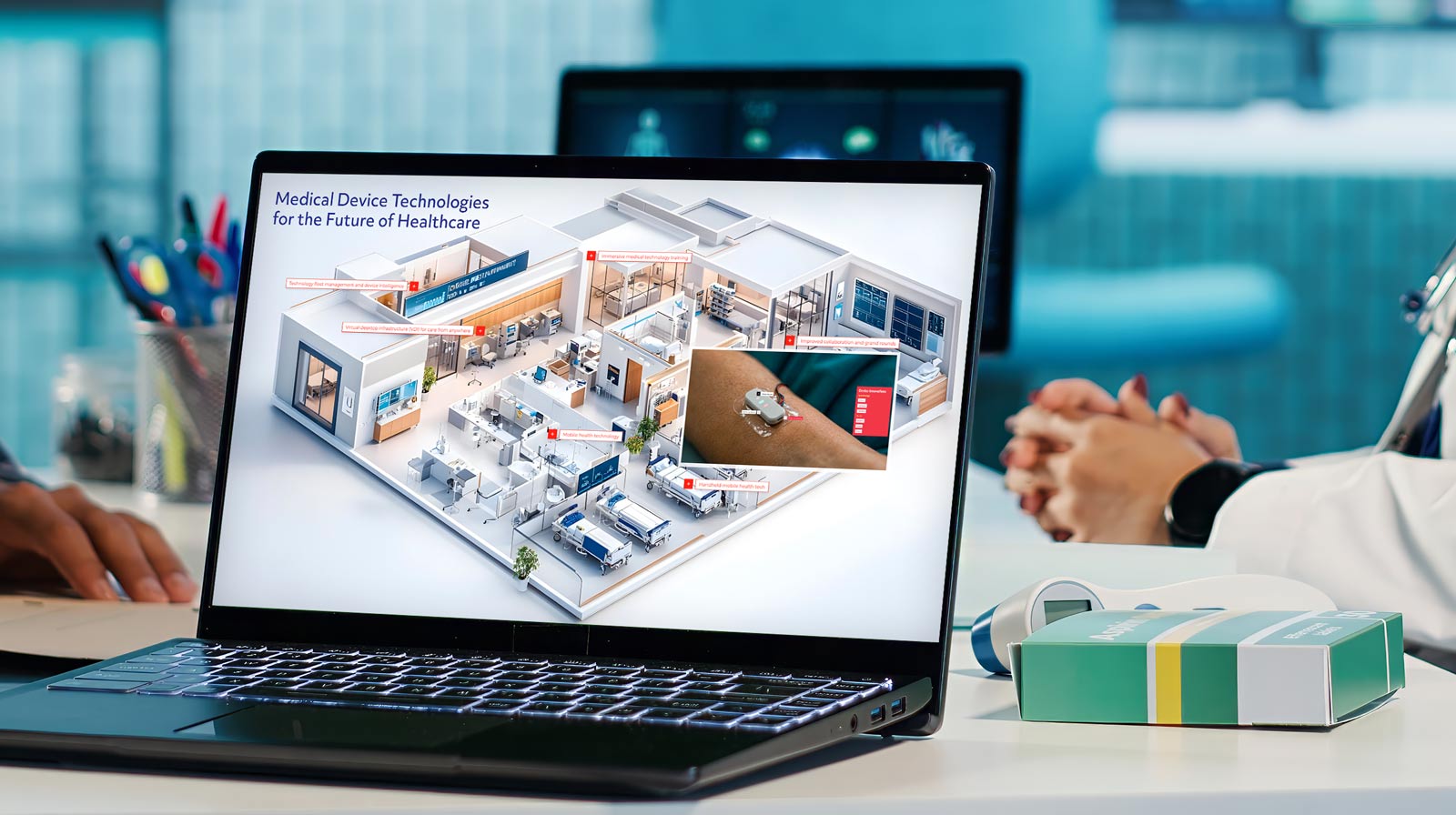
Automate Your Buyer Enablement Workflows in 2026
Read
eDetailing Software for MedTech: Beyond the PDF
Read
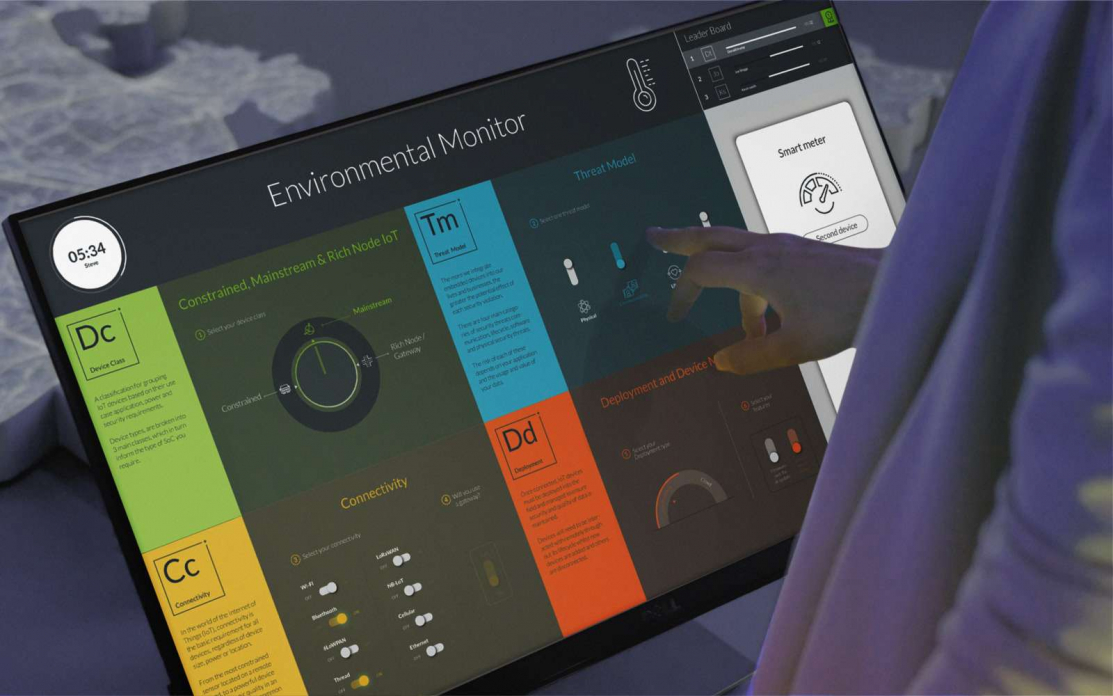
Interactive Touchscreen Presentations | POPcomms
Read
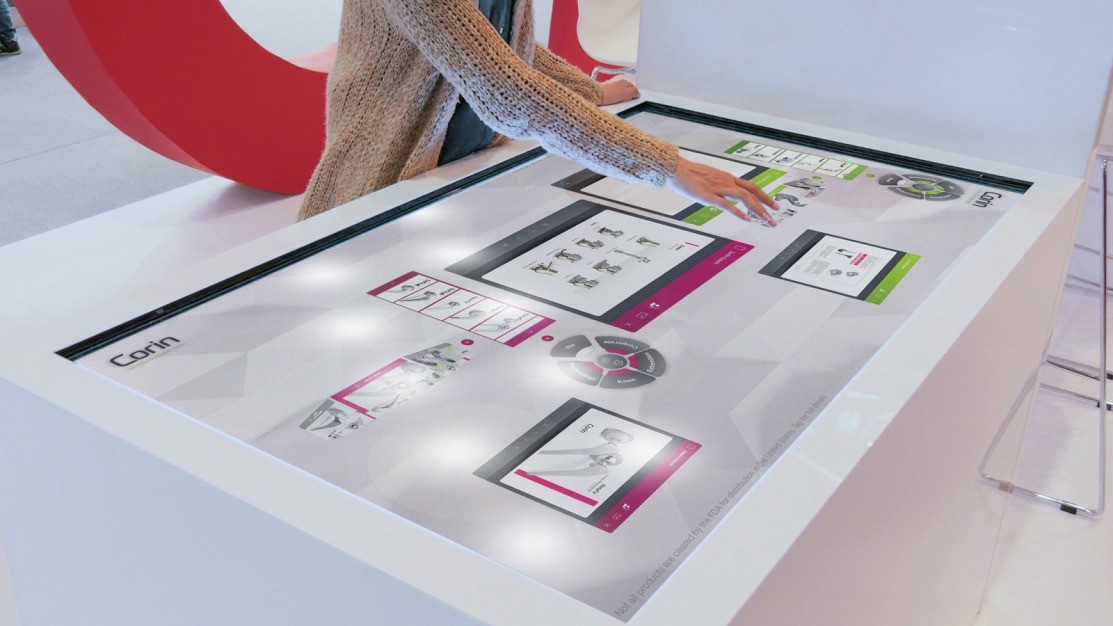
Design Patterns for Question-Led Deal Rooms: Roles, Routing, and Personalization
Read