




Medtech Interactive Content Platforms in 2026
Most medtech sales teams are still using PowerPoint decks created in 2023 to sell products launched in 2024. That gap,between what your buyers need to understand and what your sales materials actually deliver,is costing you deals. In healthcare procurement, you’re not competing against a competitor’s better features. You’re competing against your buyer’s inability to build internal consensus across clinical, finance, IT, and infection control committees. That’s where a medtech interactive content platform becomes essential. This article compares the landscape in 2026 and shows you exactly what separates platforms that actually get adopted by sales teams from those gathering digital dust on a shared drive.
Key Takeaways
- Hospital buying committees typically involve 6–13 stakeholders with competing priorities, and deals stall not because competitors win, but because internal alignment fails.
- Static PDFs and email attachments create version control nightmares and expose you to regulatory risk in an industry where content compliance is non-negotiable.
- The most effective medtech interactive platforms combine governed, always-current content delivery with genuine engagement features that work for both clinical and commercial audiences.
- Sales adoption hinges on ease of use, not feature richness, your field reps won’t learn a new platform if it adds work instead of removing it.
Why Static Content Fails in Medtech Sales
Here’s what I’ve observed in 25 years working with healthcare and medtech teams: the problem isn’t the content. You have excellent clinical data, compliance documentation, and case studies. The problem is that your buyers can’t access it in a format they actually want to consume, and they certainly can’t share it internally without creating compliance chaos.
In medtech specifically, you’re dealing with a unique sales dynamic. Your buyer isn’t a single decision-maker. It’s a procurement committee that includes clinicians who need clinical evidence, financial analysts who need health economic data, IT teams concerned about integration, and infection control officers evaluating process risk. Each of these stakeholders needs a completely different narrative drawn from the same product truth.
Sending them a 47-slide deck and hoping they extract the clinical evidence section? That’s not a sales strategy. That’s hope.
When content lives in scattered emails, outdated PDFs, and version 3.2 of a deck someone emailed last month, your buyers are working with inconsistent information. Your clinical team might be making promises based on data from version 2.1. Your field rep doesn’t know which brochure is current. Hospital compliance teams can’t audit which version of your safety data they were shown during procurement. You’re not protecting your compliance position, you’re actually increasing your regulatory exposure.
Most medtech organisations I speak with describe the same sequence: procurement sends a request for updated materials, marketing takes a week to compile them from three different systems, sales sends them out, and by the time the buying committee reviews them, three product updates have been released and the materials are obsolete again. The cycle repeats, momentum dies, and “no decision” becomes the default outcome.
What to Look For in a Medtech Interactive Platform
Not all interactive platforms are built for medtech. Many are designed for software or consumer tech companies where compliance is a checkbox, not a structural requirement. When you’re evaluating a medtech interactive content platform, focus on these specific capabilities:
Regulatory Content Governance
In medtech, every piece of clinical or safety information you share needs to be traceable, version-controlled, and auditable. If a hospital asks “which version of the safety data did your rep show us in October?”, you need to answer with evidence, not guesswork. A platform built for medtech handles this natively, not as an afterthought.
This means: role-based access control (so only trained staff can share certain claims), audit trails that show who accessed what and when, and instant update capability so when regulatory guidance changes, your entire sales team is immediately working with the current version.
Separate Clinical and Commercial Messaging
Your surgeon needs to understand mechanism of action and clinical efficacy. Your procurement officer needs cost-benefit analysis and total cost of ownership. Your infection control team needs process integration and safety data. A generic platform treats all these audiences the same. A medtech platform lets you build separate experiences, same product, different narratives, and route the right content to the right stakeholder based on their role or where they are in the buying journey.
Anne-Rieke Schweigatz, VP Marketing at Syntegon, describes the challenge this way: “POPcomms ensures that content is always current, so our sales teams can be confident it is the very latest information they’re sharing with prospects.” That confidence matters because it means your rep can walk into a hospital without worrying whether they’re showing outdated claims.
Trade Show and Field Enablement
If you’re still running your medtech trade show booth with a laptop and a PowerPoint, you’re missing the opportunity that interactive platforms create. Touchscreen presentations, digital handoffs, and instant follow-up materials mean attendees don’t walk away with a business card and vague recollection. They walk away with a personalized experience they remember, and your team has a record of what they engaged with.
The ability to turn a 15-minute booth conversation into a personalized digital sales room, delivered in minutes, not days, is a material advantage in healthcare procurement. Daniel Cheung, Lead Channel Marketing Manager at Wienerberger, captured this precisely: “From a first meeting with a customer to getting information out to them would take a week, now it’s minutes.”
Integration with Your Existing Systems
Your 3D product models live in SolidWorks or STEP files. Your clinical evidence lives in your document management system or your intranet. Your case studies are scattered across email, Salesforce, and Google Drive. A medtech interactive platform should pull from these sources, not force you to re-export and manually upload everything. This isn’t just convenience, it’s compliance. If your source files update, your platform should reflect that automatically, eliminating the manual workflow that creates version risk.
The Compliance and Version Control Problem
In medtech, version control isn’t a feature request. It’s a survival requirement. Yet I’ve watched organisations defend their current process,emailing PDFs, maintaining Excel spreadsheets of “approved claims,” asking sales reps to check a shared folder before each customer call,as though this is somehow acceptable.
Here’s what actually happens with that approach: Marketing releases new clinical data. The old version circulates for another three months because a rep has it bookmarked. A prospect references something from the outdated version during contract negotiation. Now you’re legally explaining why your rep showed them data you no longer stand behind.
This is where a medtech interactive content platform actually protects you. When you control the content environment, you control what gets shown. When sales reps access materials through a platform rather than managing local files, you eliminate the file management problem entirely. Everyone sees the current version because there is no “old version” floating around.
Content must be compliant but also genuinely engaging, these are not mutually exclusive. The best medtech platforms prove this. Tugba Ladikli, MMS Marketing and Business Development, notes: “POPcomms helps us tell a complex story in a simple, visual, and engaging way that brings the customer journey to life.” That’s the medtech sweet spot: compliance-first design that doesn’t feel like reading a regulatory document.
You should expect your platform to handle:
- Audit trails: Proof of what was shown, when, and to whom
- Version locking: The ability to lock a version for a specific customer conversation so you know exactly what claims were presented
- Instant updates: When regulatory guidance changes or new clinical data arrives, your sales team gets access immediately without waiting for a new deck build
- Role-based permissions: Only approved personnel can share certain claims or clinical information
- Offline access: Your field reps can access content on the road without internet and sync automatically when connected
Real-World Medtech Use Cases
Let me walk you through how this actually works in practice, because abstract features mean nothing if they don’t solve real selling problems.
Hospital Procurement Process
A large hospital system issues an RFP for surgical equipment. Your sales team has two weeks to respond. Historically, this meant pulling together clinical evidence from three different folders, asking regulatory to approve claims, compiling a deck, and sending a PDF that was immediately outdated by the time it reached the procurement committee.
With a medtech interactive content platform, your team builds a dedicated buyer experience specifically for that hospital’s needs. It includes clinical evidence for their surgeon population, cost modeling for their finance team, integration requirements for their IT team, and safety protocols for their infection control committee. The platform lets each stakeholder access the narrative they need, in the sequence they’ll evaluate it. As the team asks follow-up questions, you can push updated information to that buying group without rebuilding anything, it’s live immediately.
When the hospital asks “can you show us how this integrates with our existing workflow?”, your rep doesn’t scramble for a demo environment or send an email with an attachment. Your platform handles it.
Clinical Evidence Communication
Your product just completed a randomized controlled trial. The results are strong, but the data is complex. Surgeons need to understand the mechanism and efficacy. Hospital administrators need health economic justification. Your compliance team needs to ensure claims are supported and defensible.
A static PDF buries the best evidence in appendices. An interactive platform surfaces it. Surgeons can explore the clinical data with visualization tools. Administrators see the health economic summary with drill-down detail. Your compliance team maintains version control and can prove which claims were presented to which stakeholder.
This is where a look at POPcomms case studies on the blog reveals a pattern: the companies winning in complex medtech sales aren’t using revolutionary new messaging. They’re presenting the same evidence, just in a format that helps buyers actually process it.
Multi-Facility Rollout
You’ve won a pilot at one hospital and now you’re rolling out to 15 other facilities within the same health system. Each facility has slightly different clinical priorities, IT infrastructure, and procurement requirements. Historically, this means 15 customized decks, 15 approval cycles, and tremendous risk that someone presents outdated information.
With a platform, you build core content once, clinical evidence, safety data, integration requirements, and create facility-specific variations that reference the core assets. When clinical data updates, it updates everywhere simultaneously. Your compliance exposure drops. Your sales velocity increases.
Adoption Risk: Why Sales Reps Actually Use These Tools
Here’s the objection I hear most often: “Our sales reps won’t use it.”
And here’s why that objection usually proves correct: the platforms those reps are asked to use add complexity instead of removing it. They require special training. They need internet connectivity. They ask reps to input data in fields that marketing actually doesn’t need. The tool feels like overhead.
When adoption fails, it’s almost never because the technology doesn’t work. It’s because the platform was designed for marketing’s needs, not for the rep in the field trying to close a deal.
The medtech platforms that actually get used are the ones that make the rep’s job demonstrably easier in the moment that matters: the customer conversation.
Your field rep doesn’t care about governance architecture or audit trail functionality. They care that they can pull up the right content in 10 seconds, show it on a tablet, and immediately deliver follow-up materials to the buyer’s inbox without any extra steps. That’s it.
This is why you should evaluate platforms on these adoption criteria:
- Intuitive navigation: A rep should be able to find the right content without training or a manual
- Offline capability: Field reps work in hospitals without reliable wifi. The platform must work offline
- One-click sharing: After showing content, the rep should be able to deliver it to a prospect with a single action
- Mobile-first design: Reps show content on tablets and phones, not laptops. Design accordingly
- No data entry: Don’t ask reps to input information to use the tool. That’s a guaranteed adoption killer
When you get these right, adoption becomes self-reinforcing. Reps see that they close deals faster. They recommend the platform to colleagues. You don’t have to mandate adoption, it becomes the obvious choice.
ROI That Sticks: Measuring What Actually Matters
The objection “it looks great but we can’t prove the ROI” kills a lot of platform evaluations, particularly when marketing is driving the decision and finance is signing the checks.
The problem isn’t that ROI isn’t there. It’s that many organisations measure the wrong things. They track platform usage hours or content engagement metrics and wonder why that doesn’t correlate to revenue. Of course it doesn’t.
Here’s what actually matters in medtech:
Sales Cycle Compression
In healthcare procurement, the average buying cycle is 4-6 months from initial contact to contract signature. The primary bottleneck isn’t missing information, it’s slow information delivery and inability of internal stakeholders to align on the solution.
When you can deliver targeted content to buying committees in days instead of weeks, and you can update that content in hours instead of days, you compress the cycle materially. That’s directly measurable. If your average cycle was 140 days and drops to 110 days, that’s real ROI in the form of deals closing faster, cash flowing sooner, and sales team capacity freed to pursue additional opportunities.
Win Rate Against “No Decision”
Most medtech organisations track win rate against competitors. But the actual killer in healthcare procurement is “no decision”, the deal that stalls because the buying committee can’t reach consensus.
When you can build separate buying experiences for clinical and financial stakeholders, you’re directly addressing the no-decision problem. Track this explicitly: of the deals that moved to procurement stage, what percentage closed versus went to “no decision”? A platform that improves this metric from 75% to 85% is worth millions in enterprise value.
Organisations using interactive content platforms experience measurable improvements in deal velocity and buying committee alignment, the two factors that actually determine medtech sales success.
Sales Team Retention and Morale
You might not think of this as ROI, but I assure you it is. Your most experienced medtech reps are constantly frustrated by the gap between what they want to show prospects and what your organisation makes available. They spend hours assembling Frankenstein decks from outdated materials. They miss opportunities because they can’t respond quickly to information requests.
When you deploy a proper platform, you remove that friction. Your reps become more effective. They’re more confident because they know the materials are current. They’re more productive because they’re not managing files. These improvements show up as retention, lower ramp time for new reps, and higher quota attainment.
This is where our services approach differs fundamentally from a standard platform vendor. We measure success not by feature adoption but by outcome improvement: is your sales team more productive? Are deals closing faster? Is your marketing team sleeping better at night knowing content is compliant and current?
Ignacio Blanco, Senior Global Marketing Manager at ABB, describes the shift this way: “POPcomms turned a complex portfolio into a persuasive, buyer-centric experience, explaining a complex service in under 3 minutes.” That compression, from “how do we even begin to explain this?” to “three minutes, buyer convinced, next step clear”, is what ROI actually looks like in medtech.
Frequently Asked Questions
What makes a medtech platform different from general B2B sales enablement tools?
Medtech platforms prioritize regulatory compliance, version control, and audit trails as core features rather than add-ons. They also support separate clinical and commercial messaging streams to address multi-stakeholder buying committees common in healthcare. General platforms treat these as nice-to-haves; medtech platforms treat them as non-negotiable survival requirements.
Can we use PowerPoint instead of investing in a dedicated platform?
Technically yes, but you’re accepting significant compliance and efficiency costs. PowerPoint doesn’t provide version control, audit trails, or role-based access restrictions, critical requirements in regulated medtech sales. You also lose the ability to update all copies instantly and track which materials were shown to which stakeholders during procurement. It’s cheaper short-term but more expensive long-term.
How quickly can sales teams typically adopt a new medtech platform?
With properly designed platforms, adoption happens within 2-4 weeks for basic use cases. The key is that adoption correlates directly to ease of use, not feature richness. Reps adopt tools that make their job easier in real customer conversations, not tools with impressive administrative dashboards. Expect 60-70% active adoption within a month if the platform removes friction rather than adding it.
What’s the typical implementation timeline for a medtech interactive content platform?
Initial deployment typically takes 4-6 weeks for a mid-sized medtech organisation (20-50 sales reps, 200+ pieces of content). This includes platform setup, content migration from existing systems, regulatory review of initial materials, sales training, and pilot deployment with a subset of the sales team. Full rollout adds another 2-3 weeks. Speed depends heavily on content readiness and internal approval processes.
How do you measure ROI from a medtech content platform?
Focus on three metrics: sales cycle compression (target 20-30% reduction in procurement-to-signature time), buying committee alignment (reduction in “no decision” outcomes), and sales team productivity (deals closed per rep per quarter). These directly impact revenue. Avoid vanity metrics like “platform usage hours” or “content views”, they don’t correlate to business outcomes in medtech sales.
Medtech sales teams are still fighting outdated materials and version control nightmares while their buyers navigate complex procurement alone.
If you’re managing a medtech or healthcare sales team and wrestling with compliance-first content delivery, let’s talk about how to move beyond PowerPoint. Contact us for a brief conversation about what’s actually possible with a platform built specifically for complex B2B healthcare sales.

Related Posts
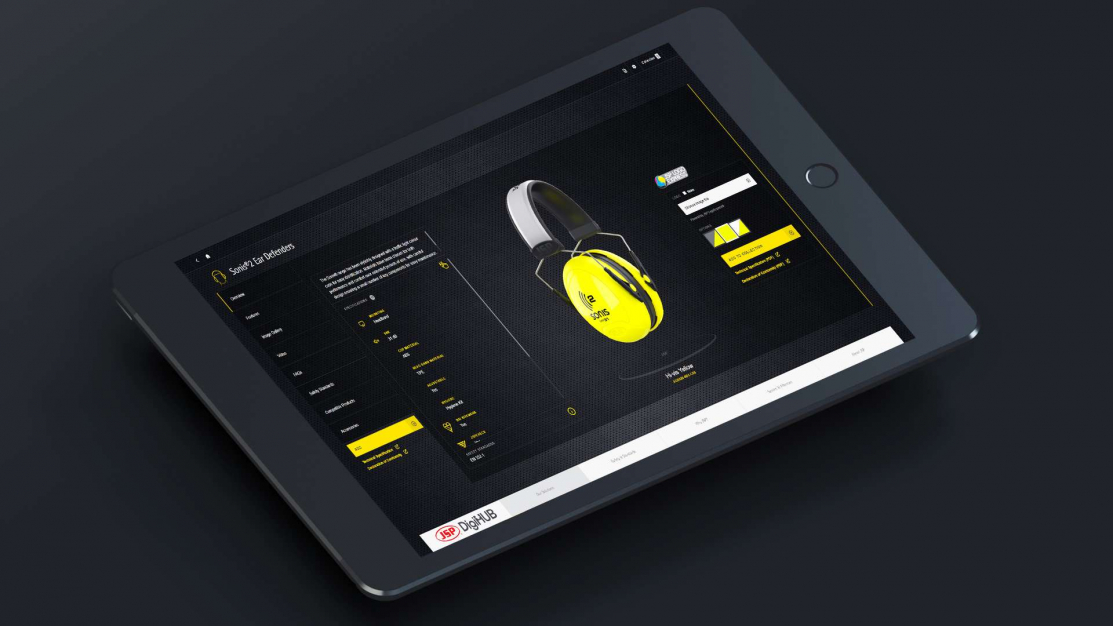
JSP Safety – Key Account Director outlines the transformative benefits of their buyer enablement platform
Read
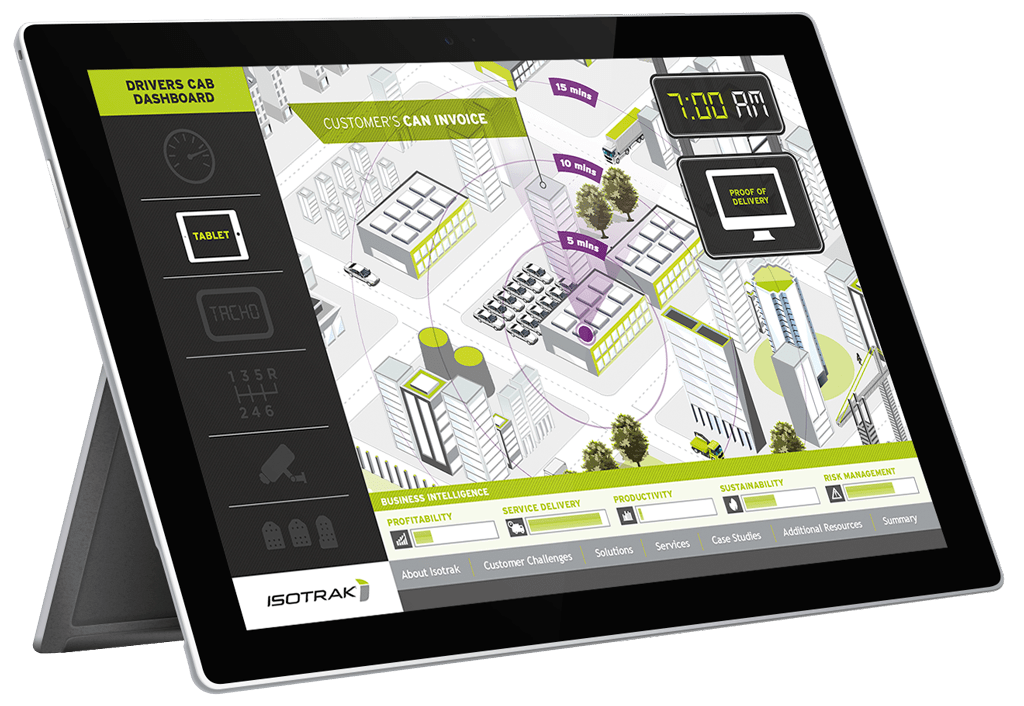
3 Reasons for Engaging Interactive Presentations | POPcomms
Read
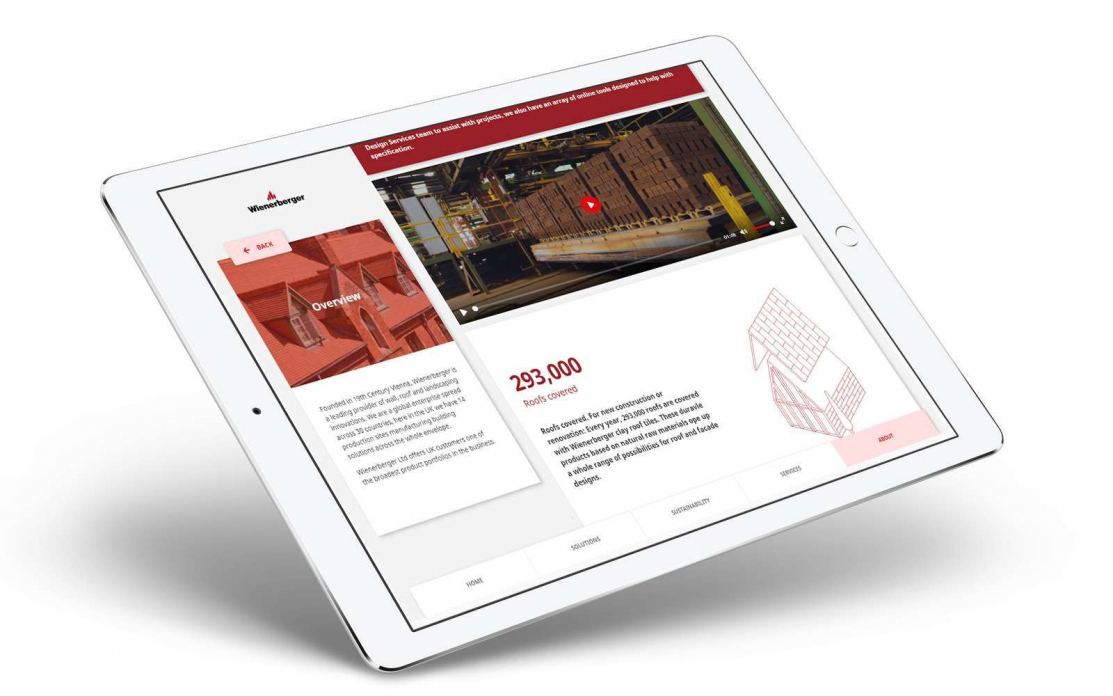
Content Management for Sales Enablement | POPcomms
Read
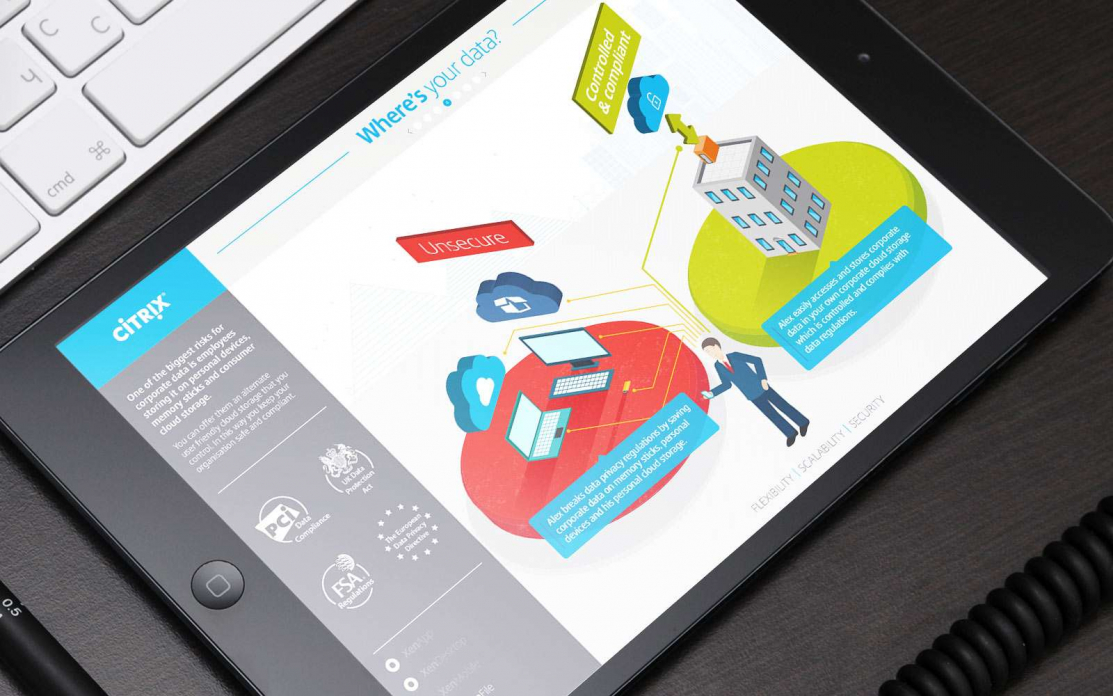
Visual Storytelling: Create Powerful Presentations | POPcomms
Read