




Build Compliant Buyer Enablement Materials in 2026
Last updated: 18 April 2026
Most healthcare and industrial companies lose deals not to competitors, but to compliance friction. Your buying committee receives a demo, loves your solution, then your legal and regulatory teams spend two weeks scrubbing every claim, every image, and every interactive element before anything can leave the building. By then, your champion has lost momentum, internal consensus has fractured, and the deal moves to “no decision.”
The problem isn’t that regulatory oversight is unnecessary, it’s that most companies treat compliance and buyer enablement as opposing forces when they should be orchestrated as one process. Your materials need to convince buying committees while meeting FDA, ISO, HIPAA, or industry-specific standards. Neither requirement wins if you sacrifice the other.
In our work with enterprise customers like Becton Dickinson and CMC med tech, we’ve learned that the fastest path to regulatory approval is building governance into content creation from the start, not bolting it on at the end. When you get this right, materials move through approval workflows in days instead of weeks, and buyers get the clarity they need to build internal consensus faster.
This guide walks you through seven concrete steps to create buyer enablement materials that satisfy your compliance teams and your sales pipeline simultaneously. You’ll learn how to structure content governance, manage version control, build approval workflows, and deliver interactive experiences that regulators can audit and buyers can navigate with confidence.
If you’re selling complex solutions into regulated industries, this is the framework that separates stalled deals from closed ones.
Key Takeaways
- Regulatory compliance and buyer enablement require the same framework: a single source of truth where every claim is documented, approved, and traceable.
- The fastest approval process is one where legal and regulatory teams are consulted during content creation, not after, shifting compliance from a veto gate to a design principle.
- Interactive buyer enablement platforms with built-in audit trails reduce approval cycles from weeks to days while giving regulators complete visibility into what buyers actually see.
- Version control and governance aren’t constraints on sales velocity, they’re accelerators that prevent the deal-killing delays caused by off-brand or non-compliant variations circulating in buyer inboxes.
Step 1: Map Your Regulatory Landscape and Approval Stakeholders
Before you create a single slide or interactive asset, you need a complete picture of which regulations apply to your materials and who must approve them. This sounds like bureaucratic overhead, but it’s actually the foundation of speed.
The most effective way to accelerate regulatory approval is to involve compliance stakeholders during planning, not during review. If your legal team only sees your content after it’s fully produced, expect 3–4 revision cycles. If they shape the guardrails before creation begins, materials move through approval in one pass.
Start by documenting:
- Which regulatory bodies govern your content: FDA (medical devices, diagnostics), EMA (European medical devices), ISO standards (quality management, safety), HIPAA (healthcare data), industry-specific requirements (pharma, diagnostics, industrial equipment)
- Which claims require pre-approval: Efficacy claims, safety claims, comparative claims, performance claims, and regulatory status claims each have different documentation requirements
- Who owns approval: Regulatory Affairs, Legal, Medical Affairs, Quality Assurance, Compliance Officer, and their decision-making sequence
- What evidence must support each claim: Clinical data, performance testing, comparative studies, regulatory filings, certifications
- How long approval typically takes: Most teams underestimate this. Track actual approval times for each stakeholder from your last three campaigns
Create a one-page approval matrix that maps which types of claims require approval from which teams and in what sequence. This becomes your team’s shared reference and prevents the constant back-and-forth of “who needs to see this?”
Many industrial and healthcare teams have discovered that bringing our services into this planning phase, rather than treating compliance as a handoff after content is finished, cuts approval cycles by 40–60%. The difference is alignment on what “approval ready” actually means before resources are invested in creation.
Step 2: Establish a Single Source of Truth for All Claims
Off-brand material. Outdated claims. Variations of the same product description worded five different ways. This is the hidden cost of not having a single source of truth: sales reps and marketers create content independently, no two versions match, and compliance teams spend weeks reconciling contradictions that should never have existed.
Regulatory compliance requires that every claim about your product,whether it appears in a PDF, an interactive experience, or a sales conversation,is documented, approved once, and reused consistently. The moment a claim exists in two versions, you have a compliance liability.
Build a central claims library that documents:
- Every substantive claim made about your product (efficacy, safety, performance, regulatory status, certifications)
- The evidence that supports each claim (clinical study, test report, regulatory filing, third-party certification)
- The approval status and approval date of each claim
- Which geographies or markets the claim is valid for (FDA approved in the US but not Europe, for example)
- The precise wording approved by your regulatory team (so sales and marketing can’t rephrase it and accidentally create liability)
This library becomes the foundation for all buyer enablement materials. When your sales team needs to explain why your product is better than a competitor’s, they pull from this library, not from memory or improvisation. When your marketing team builds an interactive buyer experience, every claim displayed comes from this same source.
From a first meeting with a customer to getting information out to them would traditionally take a week. By centralizing all approved claims and making them instantly accessible to sales, organizations we work with have compressed this to minutes. Your sales rep doesn’t wait for legal approval because the claims they’re sharing are already approved. Your buyers get consistent, accurate information. Your compliance team has a complete audit trail of what was shared and when.
The practical output: a shared repository (spreadsheet, database, or content management system) where every claim has a unique ID, approval status, supporting evidence link, and version number. Sales and marketing build from this repository, not around it.
Step 3: Build a Pre-Approval Content Framework
A pre-approval framework is a set of templates, design patterns, and content structures that have already been vetted by your regulatory team. Once approved, anything built within this framework doesn’t need individual legal review, it’s pre-approved by design.
Think of it like a whitelist for content types. Your regulatory team reviews and approves:
- Specific layouts for product overviews (which sections are required, which are optional, which fields must contain pre-approved claims)
- Acceptable visual treatments (which charts are compliant, how to represent data without misleading buyers, which colors/labels are safe)
- Pre-approved narratives for common scenarios (how to position your product against common objections, how to explain technical features in buyer-friendly language)
- Restricted elements (which claims can never be made, which comparisons require additional evidence, which terms are regulated)
- Approval thresholds (a new product comparison needs full legal review, but swapping one approved claim for another pre-approved claim doesn’t)
The result: your sales and marketing teams move faster because they’re working within a pre-approved playground. They don’t have to wait for legal approval on every variation. Your compliance team moves faster because they’re reviewing frameworks once instead of reviewing dozens of individual assets.
One healthcare client we worked with pre-approved five different layouts for product comparison materials. Sales could now build custom comparisons for different buying committees by simply selecting which comparison layout to use and which pre-approved claims to include. What used to take two weeks for legal review now takes two hours from first request to delivery.
Step 4: Implement Version Control and Audit Trails
Here’s a scenario that plays out in most industrial and healthcare organizations weekly: A sales rep sends a buyer an email with an attachment containing your product information. Two weeks later, a different sales rep sends a different version of the same information,slightly outdated, slightly off-brand, but close enough. The buyer now has two versions and doesn’t know which to trust. Your compliance team has no visibility into what was shared, when, or to whom.
The fundamental governance problem in regulated industries is that content lives in email inboxes, shared drives, and random attachments instead of in a controlled, auditable system. When content is scattered across email, you lose both speed and compliance.
Implement version control that captures:
- What content exists: Every buyer enablement asset (PDF, interactive experience, comparison chart, case study) gets a unique ID and version number
- Who approved it and when: Every version is linked to the approval date and the regulatory team member who signed off
- What changed between versions: If you update a product claim, the system flags what was changed, why, and which previous versions are now obsolete
- Who shared it with whom: When a sales rep shares a link with a buyer, the system knows who received it, what version they received, and when
- What the buyer actually saw: If your materials are interactive, you have visibility into which claims, comparisons, and features the buyer engaged with
This audit trail isn’t a compliance burden, it’s your insurance policy. When a regulatory inspector asks “What information did you provide to this buyer and when?”, you can pull a complete, timestamped record. When a sales rep accidentally shares outdated material, you can immediately retract it and send the current version. When you update a claim, every old version is instantly archived so nobody can accidentally distribute it.
Organizations selling complex solutions to buying committees see a 70% reduction in print and logistics costs by making content available in digital formats for tradeshows and customer meetings, and by managing versions centrally, they also eliminate the compliance risk of outdated materials circulating at events.
Step 5: Create Dynamic Templates That Scale Compliance
Compliance doesn’t have to mean static. The most effective buyer enablement materials in regulated industries use dynamic content, different claims, comparisons, and messaging for different stakeholders, all drawn from a compliant, pre-approved library.
A clinical buyer needs to see efficacy data and safety profiles. A procurement buyer needs to see cost of ownership and delivery timelines. A quality buyer needs to see certifications and audit reports. A traditional approach would mean creating three separate presentations and sending each through legal review. A dynamic approach means creating one flexible framework where each stakeholder sees different content based on their role,all pre-approved, all compliant, all delivered instantly.
Build templates that allow you to:
- Swap pre-approved claims based on buyer role: When you identify the buyer as a clinical director, the template automatically displays safety and efficacy claims. When you identify them as a procurement manager, the same template displays cost and delivery claims. Same framework, different content, all compliant.
- Customize comparisons without legal review: A pre-approved comparison framework allows you to show different competitors based on which competitors the buyer mentioned in discovery. The structure is approved; only the competitor selection changes.
- Update claims instantly across all materials: When your regulatory team approves a new efficacy claim or updates an existing one, that change immediately reflects across every material that uses that claim, no need to recreate 50 different presentations.
- Adapt to market and geography: Your FDA-approved claims apply in the US market, but your CE-marked claims apply in Europe. Templates can automatically surface the right claims for the right market, so sales never accidentally uses US-only claims with European buyers.
The practical benefit: you build once (in compliance with your regulatory team), then reuse endlessly. Sales teams get real-time sales material customization without waiting for legal approval on each customization. Compliance teams maintain control over which claims appear where without having to review every individual use case.
Step 6: Design Approval Workflows That Don’t Slow Sales
Most approval workflows are designed around the assumption that content is completed first, then sent for review. This creates delays. A better approach: build approval gates directly into your content creation process, so the right stakeholders are consulted at the right moments.
Design a workflow that looks like this:
- Planning phase (1–2 days): Sales or marketing briefs on what buyer enablement content is needed. Regulatory Affairs confirms which claims are required, which are pre-approved, and which require new evidence or approval. This conversation happens before any content is created.
- Creation phase (3–5 days): Content team builds materials using pre-approved templates and claims. Because the framework was approved upfront, no legal review is needed during creation.
- Compliance check (1 day): A junior team member from Regulatory Affairs does a fast checklist: Do all claims come from the approved library? Are there any unapproved variations? Does the content match the pre-approved framework? If yes to all, it’s done. If no, the content team makes the fix same day.
- Final approval (1 day): Senior regulatory stakeholder does a final sign-off. Because the content has already passed the checklist, this is a formality.
Total time: 5–8 days from request to delivery, and most of that is creation time, not approval time.
Compare this to the traditional workflow: Create content (5 days) → Send to legal (legal queued for 3 days) → Legal reviews and sends back with 15 comments (3 days) → Content team revises (3 days) → Legal reviews again and has 5 more comments (3 days) → Content team revises again (3 days) → Finally approved. Total time: 25–30 days.
The approval workflow that enables buyer consensus is one where compliance is a design principle, not a gate. Build the guardrails before creation, not after. This transforms approval from a bottleneck into a checkpoint that takes hours instead of weeks.
When you compress approval timelines this dramatically, you also compress the time between a buying committee’s first exposure to your solution and their final decision. Consensus hardens faster. Momentum stays with you. Deals that would have stalled while waiting for legal approval now close while the buyer’s enthusiasm is still high.
Step 7: Measure Compliance and Buyer Confidence in Parallel
You need to know two things: whether your materials are staying compliant over time, and whether they’re moving buyers toward decision. Most companies track one or the other. Effective compliance is knowing both simultaneously.
Measure compliance by:
- Audit trail completeness: What percentage of shared materials have version numbers, approval dates, and audit trails? Target: 100%. If old, unapproved materials are still circulating, your governance has gaps.
- Claims accuracy: When you audit the materials your sales team is actually sharing, how many claims come from your approved library versus improvisation? Spot-check monthly. Target: 95%+ from the approved library.
- Approval cycle time: How long does it actually take from request to approved-and-live? Track this for each type of content and for each approval team. You should see cycle times under 7 days for pre-approved frameworks, 14 days for new claims.
- Version control enforcement: When you issue a correction or update to a claim, how long before all old versions are retired and replaced with new ones? Target: same-day across all active materials and sales channels.
Measure buyer confidence by:
- Content engagement: If your enablement materials are interactive, measure which claims, comparisons, and evidence buyers actually engage with. High engagement with safety claims suggests that’s a decision driver for this buyer.
- Consensus velocity: Track how many stakeholders from the buying committee engage with your materials and in what sequence. If multiple stakeholders are engaging with the same comparison or efficacy section, they’re building shared understanding. If only one person engages, consensus is at risk.
- Follow-up velocity: How quickly do buyers ask follow-up questions after engaging with your materials? Fast follow-up questions usually signal interest and readiness to move forward. Silence usually signals confusion or misalignment.
- Deal progression: Which types of materials appear most frequently in deals that close versus deals that stall? If your safety documentation appears in closed deals but not in stalled deals, safety is part of your consensus-building story.
When you track these metrics together, you see patterns. Materials that comply perfectly but don’t engage buyers don’t drive revenue. Materials that engage buyers but have compliance gaps create risk. The goal is the intersection: compliant content that moves buying committees toward agreement faster.
Organizations with structured buyer enablement frameworks see a 49% higher win rate, but only if the framework actually supports how buying committees make decisions. Track both compliance and buyer behavior. Adjust the framework when you see a misalignment.
Frequently Asked Questions
What regulatory standards apply to buyer enablement materials?
The standards depend on your industry. FDA regulations govern medical device and diagnostic marketing materials in the US; EMA rules apply in Europe. ISO 13485 (medical device quality) and ISO 14644 (cleanroom standards) require accurate technical documentation. HIPAA applies if your materials reference patient data. Healthcare sales materials must comply with Anti-Kickback Statute regulations if they reference pricing or inducements. The first step is mapping which regulations govern your specific products and markets.
How do I get legal approval for interactive buyer enablement experiences?
Approval happens faster if you establish a pre-approved framework first. Your legal team reviews and approves the template structure, approved claims library, and design patterns. Once approved, individual interactive experiences built within that framework don’t require separate review, they’re pre-approved by design. If your experience includes new claims or deviates from the framework, it goes through a lightweight compliance check (usually 1–2 days) instead of full legal review.
Can I update claims in my buyer enablement materials without starting the approval process over?
Yes, if you have version control and a claims library in place. When your regulatory team approves an updated claim, you replace the old version in your claims library and version the change. All materials drawing from that library automatically display the new claim. Materials created with the old version are archived and removed from circulation. This requires a system that treats claims as reusable components, not as static text baked into presentations.
What’s the difference between sales enablement and regulatory compliance in buyer materials?
Sales enablement focuses on giving reps the tools and content they need to move deals forward. Regulatory compliance focuses on ensuring that content is accurate, substantiated, and meets legal standards. They’re not in conflict if compliance is built into enablement from the start. When you establish an approved claims library and pre-approved frameworks, you’re doing both simultaneously: enabling sales with compliant content that’s ready to share immediately.
How do I prevent sales reps from sending outdated or off-brand materials to buyers?
The answer is centralization, not restriction. Make it easier for reps to share approved materials than to send old ones. If your approved materials live in a platform that tracks versions and audit trails, and sharing a link is faster than digging through shared drives for attachments, reps will naturally use the approved materials. Version control and audit trails also mean you can instantly retire old materials and redirect buyers to the current version if outdated content does circulate.
One final insight: The companies most successful at regulatory compliance in complex B2B sales have stopped treating compliance as a constraint on buyer enablement and started treating it as the foundation. When every claim in your enablement materials is backed by evidence, approved by regulators, and instantly auditable, you’re not slowing sales, you’re building buyer confidence faster. Buying committees trust materials that are clearly substantiated. They move slower when they’re uncertain whether the claims you’re making are real or marketing exaggeration.
Build compliance into your enablement framework from the start. Make it the structure that enables speed, not the process that creates delays. When you do this right, your regulatory team becomes your partner in buyer enablement, not an obstacle to it.
Need help structuring your compliance framework so it actually accelerates sales? The best approach is to start with a conversation about your specific regulatory landscape and current approval bottlenecks. We’ve worked with healthcare and industrial companies to compress approval cycles from weeks to days while maintaining full compliance visibility. Contact us to explore how this could work for your organization, or explore our blog for more resources on buyer enablement frameworks that work in regulated industries.
Your regulatory team is reviewing materials one at a time, and your sales cycles are extending because of approval delays. This doesn’t have to be your reality.
Take the next step today.

Related Posts

Manufacturing Marketing Tools | POPcomms
Read
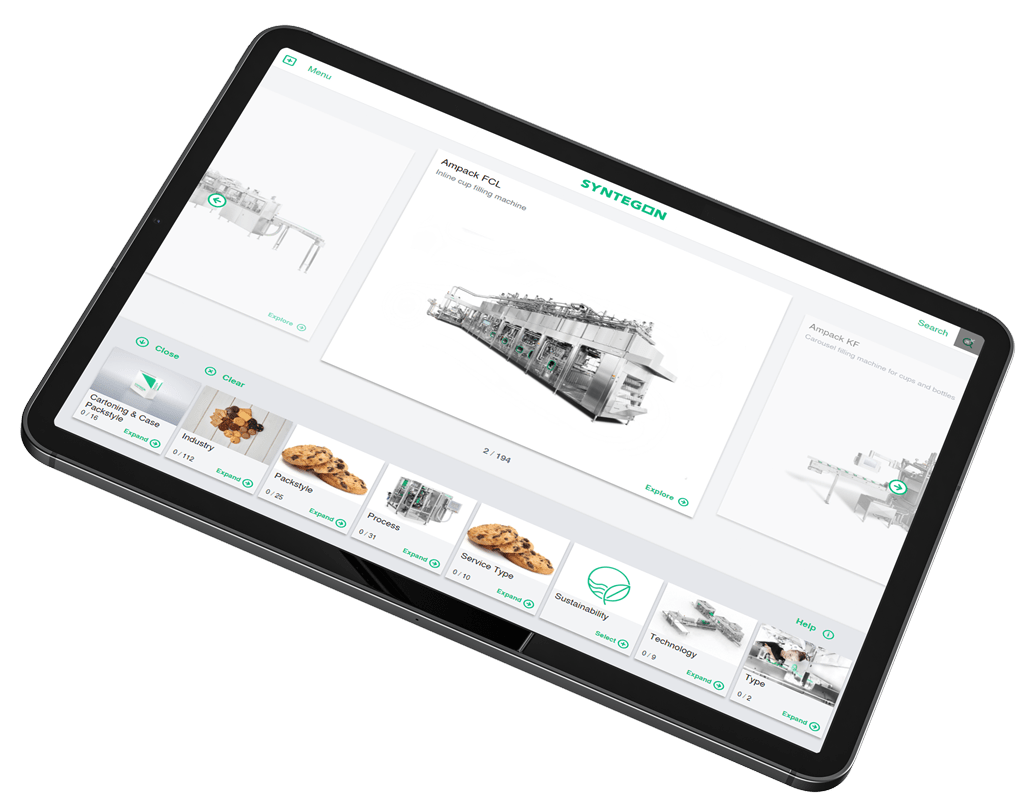
Syntegon – Buyer enablement experience for a global sales team
Read

5 Cost Considerations for Sales Enablement | POPcomms
Read

Advanced Manufacturing: How to Improve the B2B Buyer Journey with Interactive Tools
Read