



Complex solutions do not sell themselves, no matter how clever the tech or how strong the engineering. When buyers are busy, short on time, and under pressure to justify every line in the budget, they will only move forward when they clearly see the value. That is where a business development enablement platform becomes powerful, especially for industrial, healthcare, and advanced technology teams.
As planning ramps up in early autumn and attention shifts to next year’s priorities, sales cycles can feel slower and more crowded. More stakeholders get involved, questions multiply, and static slide decks quickly fall apart. We want to show how a different kind of platform can turn that complexity into buyer-ready opportunities, faster and with far less friction.
We see a growing gap between technical depth and commercial clarity. Engineers, clinicians, and product teams know what the solution can do. Business development teams know the markets and the accounts. But buyers are often stuck in the middle, trying to piece everything together from PDFs, spreadsheets, and disconnected meetings. A business development enablement platform sits right in that gap. POPcomms is designed as a buyer enablement platform built for exactly this problem, turning flat content into interactive, personalised experiences that keep conversations moving.
What a Business Development Enablement Platform Really Is
A business development enablement platform is not just another sales tool or a dressed-up CRM. It is built for the early stages, when buyers are still exploring, comparing options, and trying to make sense of their problems.
Where traditional tools often focus on late-stage quotes and contract steps, a business development enablement platform:
- Brings together interactive content, calculators and visual explainers
- Guides buyers through discovery questions and use cases
- Tracks engagement so teams can see what buyers care about
Instead of scattered assets in email folders and shared drives, everyone tells one consistent story of your solution. Commercial teams, subject-matter experts, and marketing all work from the same interactive experience. That means less second-guessing, fewer mixed messages, and smoother handoffs between business development and sales.
Turning Complex Solutions Into Interactive Buyer Journeys
Many teams still lean on long slide decks, static PDFs, and dense product sheets. These can be fine for reference, but they rarely keep modern buyers engaged, especially when there are different roles in the room.
An interactive buyer journey flips that. The conversation becomes more like a live workshop, where you can:
- Switch views for technical and non-technical stakeholders
- Explore different configurations and paths in real time
- Show the link between features, workflows and business impact
With POPcomms-style experiences, buyers can move through visual flows, tap to open deeper details, and compare options side by side. A clinician may want to see how a workflow fits into patient pathways. An operations lead may focus on uptime and safety. A finance lead may jump straight to cost and value models. You can support each of them without losing the thread.
Autumn planning season is a great example. Budgets are tight, diaries are packed, and workshops need to be sharp. Interactive tools help you run live, collaborative sessions, whether in a meeting room or on a screen share, and then leave buyers with a guided experience they can share internally.
Using Analytics to Prioritise the Right Opportunities
Without data, early-stage business development can feel like guesswork. Which sectors are leaning in? Which use cases are actually getting attention after the call?
Engagement analytics in a business development enablement platform shine a light on this. You can see:
- Which industries and accounts are returning to the content
- Where people spend time and what they ignore
- Which stakeholders engage most with value, risk or technical detail
This helps teams qualify faster and focus on deals with real intent. If a prospect shares the experience widely inside their organisation and multiple people explore the same scenario, that is a strong signal. On the other hand, shallow clicks with no depth may tell you the timing is wrong or the fit is weak.
Analytics also feed back into content decisions. If a section is rarely opened, perhaps it is not needed in early conversations. If a value calculator gets constant use, it may deserve a bigger role. Over time, your buyer journeys stay aligned with shifting market questions, regulatory change, and new solution lines.
Empowering Business Development Teams to Sell Strategically
Even the best content falls flat if teams do not feel comfortable using it. A good platform supports the person in front of the buyer as much as the buyer themselves.
Guided workflows and narrative structures act like a quiet co-pilot. They help reps:
- Follow a logical discovery flow without sounding scripted
- Bring in the right stories, demos and tools at the right moment
- Stay on track when conversations move off in new directions
With a centralised space for interactive demos, value calculators, reference architectures, and case studies, teams are not hunting around for “the latest version”. This is especially helpful during busy autumn trade shows, where back-to-back meetings demand quick access to clear, consistent stories, both on the stand and in follow-up calls.
New hires also benefit. Instead of weeks just learning where content lives, they learn how to run great conversations using one shared platform. That shortens onboarding and, more importantly, builds confidence.
Integrating a Platform Into Your Existing Go-to-Market Stack
A business development enablement platform does not replace CRM, marketing automation, or content management. It sits alongside them and connects the dots.
A simple way to think about fit:
- CRM holds account and opportunity data
- Marketing automation handles campaigns and nurture flows
- Content systems store raw assets
- The business development enablement platform shapes those assets into live buyer experiences and returns engagement data
When planning integration, it helps to be clear on:
- Data flows: what do you send to CRM, and when?
- Governance: who owns content updates and approvals?
- Alignment: how do sales, marketing and product agree on the core story?
Many organisations start with a pilot on a focused segment or a single priority solution. Then, once the story and flows are proven, they scale to more teams and regions. Finally, they move into an optimise phase, refining buyer journeys and analytics dashboards to support annual planning cycles and board-level reporting.
FAQs on Business Development Enablement Platforms
1. What is the main difference between sales and business development enablement?
Sales enablement usually supports later stages, like proposals and negotiation packs. Business development enablement focuses earlier, helping teams open the right doors, educate prospects, and shape demand before an opportunity is fully defined.
2. How does a platform like this support complex industrial or healthcare sales?
It turns complex solutions into clear, interactive stories that work for many roles, such as clinicians, engineers, and finance leaders, and lets teams explore scenarios together so everyone reaches a shared view of needs and value more quickly.
3. Will our business development team need a lot of training?
Most modern platforms are built to feel natural, with guided paths that follow common discovery conversations. Short enablement sessions, plus coaching on live accounts, are usually enough to get people comfortable.
4. Can a business development enablement platform support remote and hybrid selling?
Yes, interactive experiences work well on video calls, digital workshops and in-person meetings, giving a consistent story across channels, while analytics show how prospects interact with shared content after the session.
5. How can we measure the ROI of implementing a platform like this?
Teams often track time to qualified opportunity, conversion from first meeting to proposal, and average deal size, then link engagement analytics to these numbers to see how clearer buyer understanding and alignment affect cycle length and win rates.
Accelerate High-Value Deals With Interactive Sales Conversations
If you are ready to equip your team with more engaging, insight-led conversations, our business development enablement platform is the ideal place to start. At POPcomms, we work closely with you to turn complex propositions into clear, interactive stories that resonate with decision-makers. We will help you shorten sales cycles, improve stakeholder alignment and give your team the confidence to lead strategic discussions. To explore what this could look like for your organisation, simply contact us and we will get back to you promptly.

Related Posts
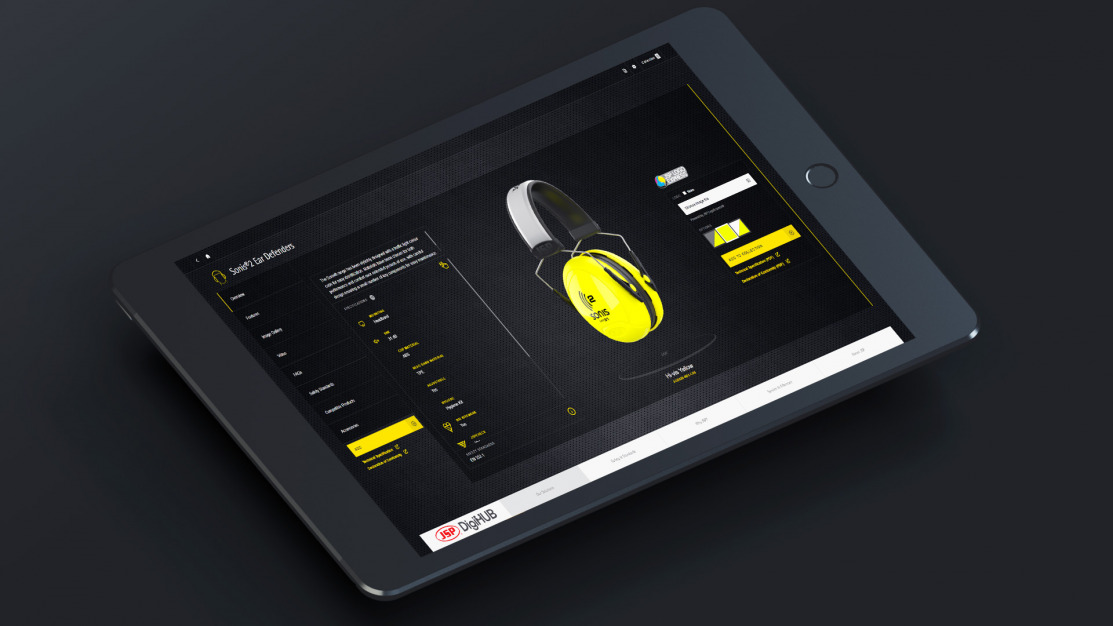
Convert a Static Sales Deck Into an Interactive, Analytics-Driven Journey
Read
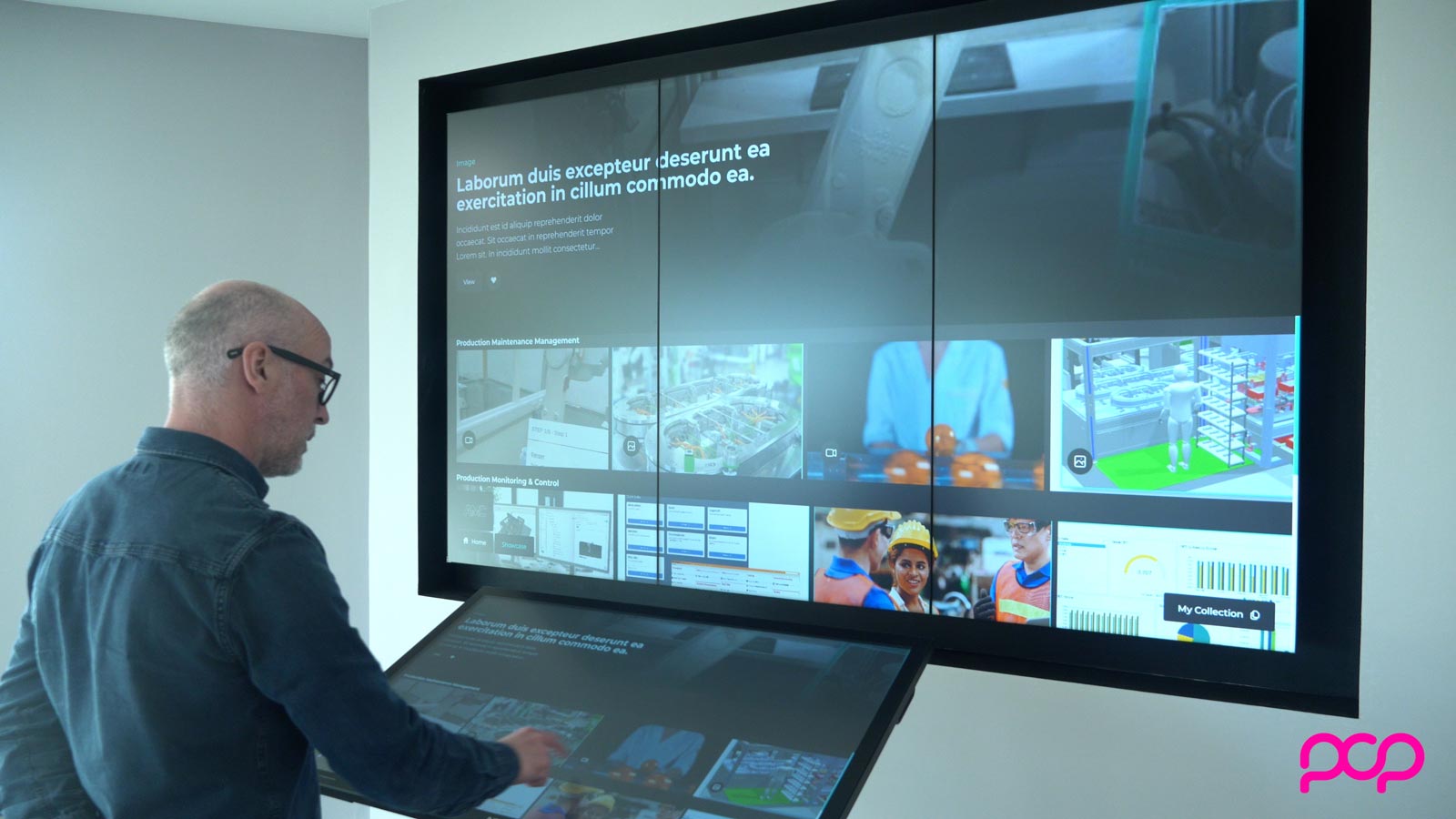
Designing a Sales Content Management Platform Buyers Actually Use
Read
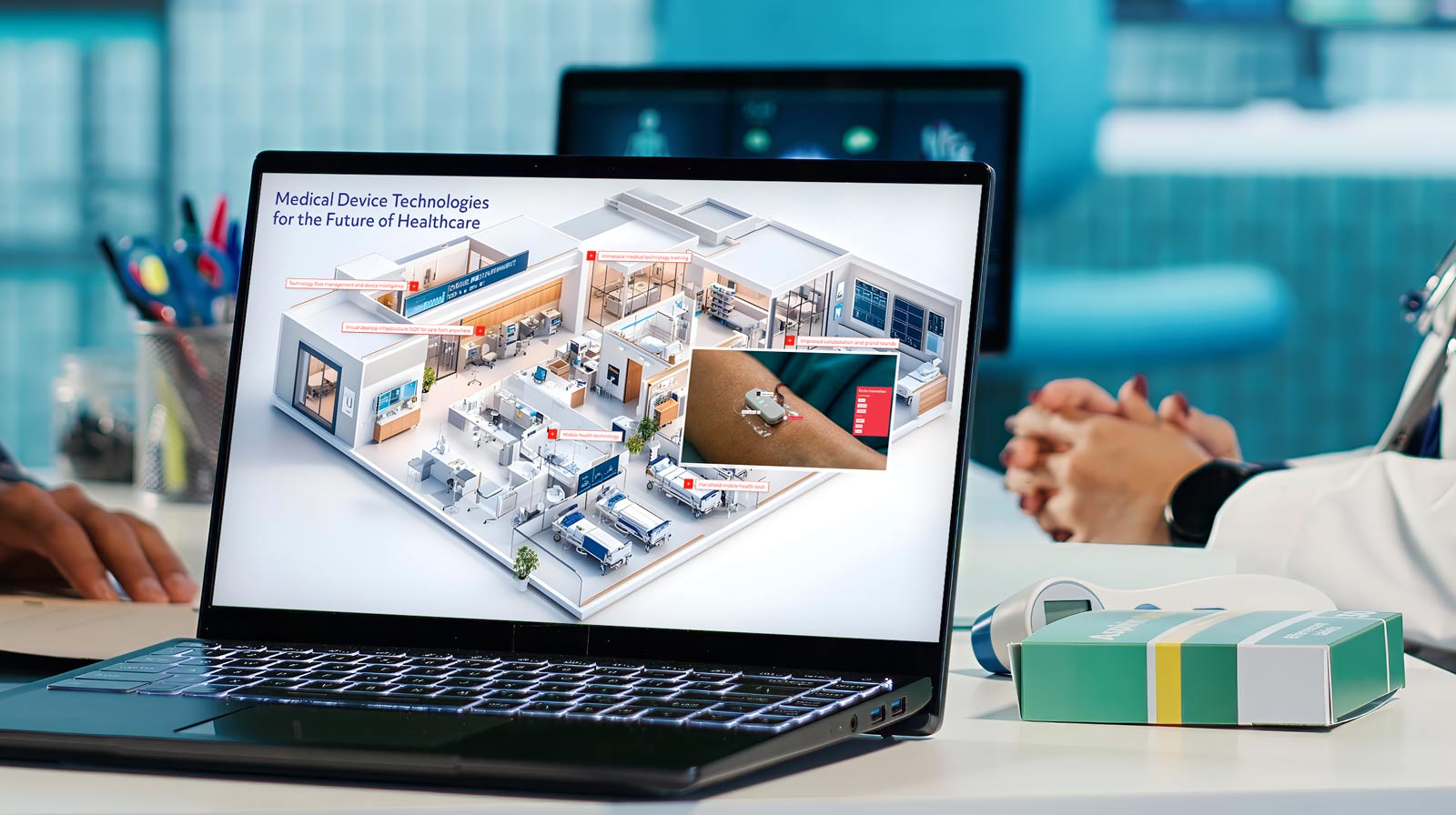
Governance for Question-Led Interactive Decks in Complex B2B
Read

3D Presentation Software | Create Better Presentations
Read