




Question-led interactive sales decks can be the strongest engine in your sales stack, or the messiest source of risk. It all comes down to how you govern them. When your teams work in industrial, healthcare, or advanced tech, buyers need clear, guided answers to complex questions, and they need to trust every word on every screen.
Here, we will walk through how ownership, versioning, and approvals turn interactive sales deck software from “nice content” into a reliable, safe buyer enablement platform. We will keep it practical, simple, and focused on what actually works for complex B2B teams.
Turn Question-Led Decks Into a Reliable Sales Engine
As mid-year planning hits and the weather starts to warm up, go-to-market teams often realize that their interactive decks have grown wild. Different regions tweak slides, technical teams drop in new specs, and suddenly no one is sure what is approved.
The governance gap shows up when:
- Sales uses old claims or pricing
- Technical or clinical details are out of date
- Marketing cannot tell which deck version is live in the field
A clear governance model changes all of that. With the right structure, your interactive decks become:
- A single, trusted source of truth
- A repeatable, guided buyer experience
- A shared platform that sales, marketing, and technical teams all stand behind
Why Governance Makes or Breaks Interactive Decks
Modern B2B buying is slow, crowded, and full of questions. You might have operations, finance, IT, clinical teams, and compliance all reviewing your offer. Your interactive deck has to adapt as reps follow questions, while still staying on message and on brand.
Without governance, things slip:
- Specs and performance data drift over time
- Claims are not checked against current regulations
- Different regions share content that does not match local rules
Good governance is not just about control; it is about confidence. With clear rules around ownership, versioning, and approval:
- Sales trusts that what they share is safe
- Marketing knows that brand and story stay consistent
- Product and legal can audit what went in front of buyers
Setting Ownership and Version Control That Actually Works
First, decide who owns what. For question-led interactive content, ownership is usually split by type, not by slide. For example:
- Core messaging and story: marketing
- Product specs, configurations, clinical data: product and technical teams
- Pricing and commercial terms: sales operations or finance
- Claims and compliance: legal and regulatory
Central teams can own master narratives and global templates, while local teams manage:
- Language and regional examples
- Country or state-specific regulations
- Local product availability
To make this work in real life, many teams:
- Create a small “deck council” with leads from key functions
- Assign a product owner for each major interactive deck
- Set service levels for updates, like how fast pricing or spec changes must be reflected
This way, when a rep in the field asks, “Is this current?”, there is a clear answer.
Versioning is the other half. In interactive sales deck software, you want a simple, shared language such as:
- Major versions for big changes in structure or story
- Minor versions for small text or image tweaks
- Hotfixes for urgent corrections to data or compliance
The platform should support roles, permissions, and content libraries so only approved blocks are visible to sales. Audit logs are key, especially in regulated sectors like healthcare, where someone may ask what a buyer saw during a meeting months ago.
Seasonal and mid-year updates can be tricky. New launches, fresh clinical data, or policy updates all hit at once. To avoid breaking in-flight deals:
- Keep older versions available for a short, planned period
- Mark them clearly as “locked for new deals”
- Give sales simple guidance on which version to use when
Approval Workflows and Continuous Improvement
Approval chains often fail because they are vague. “Legal needs to sign off” turns into delays and guesswork. Instead, map the chain to the actual risk:
- Marketing approves voice and story
- Product confirms specs and technical accuracy
- Legal and regulatory check claims, references, and disclosures
- Regional leads check local fit
Then build risk-based tiers:
Low-risk updates: typos, icons, non-claim visuals, approved by marketing alone
Medium-risk updates: rearranging content, adding new but pre-approved claims
High-risk updates: new data, performance claims, pricing rules, or policy changes with full review
When this workflow lives inside your platform, not in email threads, it can:
- Trigger automatic notifications
- Block unapproved content from going live
- Time-limit content with expiry dates and renewal reminders
Governance should not freeze your decks. It should help them learn. Some helpful metrics are:
- Which modules are used most in live meetings
- How quickly new versions are adopted
- Average time from requested change to approved update
- Field feedback on confusing or missing sections
When reps can flag an issue straight from the deck interface, you close the loop fast. Those real buyer questions can inform new pathways, better prompts, and cleaner flows. Over time, you can retire modules that no one touches and sharpen the ones that keep reappearing in key deals.
FAQ: Governance for Interactive Sales Deck Software
Q: How is governance different for interactive sales deck software versus traditional slide decks?
A: Interactive decks behave more like applications than static files. Governance has to cover branching paths, shared content blocks, and real-time updates, not just “final slide versions.”
Q: Who should ultimately own our question-led interactive deck in a matrixed organization?
A: Usually marketing holds overall product ownership, with defined co-owners in product, sales operations, and legal responsible for their content zones.
Q: How often should we review and update interactive decks in regulated sectors like healthcare?
A: Many teams set regular review cycles and then layer urgent updates on top when clinical data, guidelines, or regulations shift. The key is having clear triggers and owners.
Q: What are best practices to roll out new versions without confusing the sales team or disrupting deals?
A: Use clear naming, sunset dates, short enablement sessions, and simple guidance on when to switch, and allow a brief overlap for active deals.
Q: Can we start simple with governance and scale up later?
A: Yes. Start with basic ownership, a light approval chain, and clear version labels, then add more structure as your decks and teams grow.
At POPcomms, we see governance as the quiet engine behind confident, question-led buyer experiences. When ownership, versioning, and approvals are clear, your interactive decks stop being risky experiments and start acting like a stable, trusted part of your revenue platform, even as your teams and seasons change.
Strengthen Governance For Your Interactive Sales Decks Today
If you are ready to put clear ownership, version control, and approvals behind your question-led content, our interactive sales deck software is built to support the governance model you just read about. At POPcomms, we help teams keep complex stories consistent, compliant, and easy for sellers to use without slowing down your sales cycles. If you want to talk through your requirements or see how this would work in your environment, please contact us so we can walk you through next steps.

Related Posts

No-Code Governance for Complex B2B Sales: Templates, Permissions, and Controls
Read
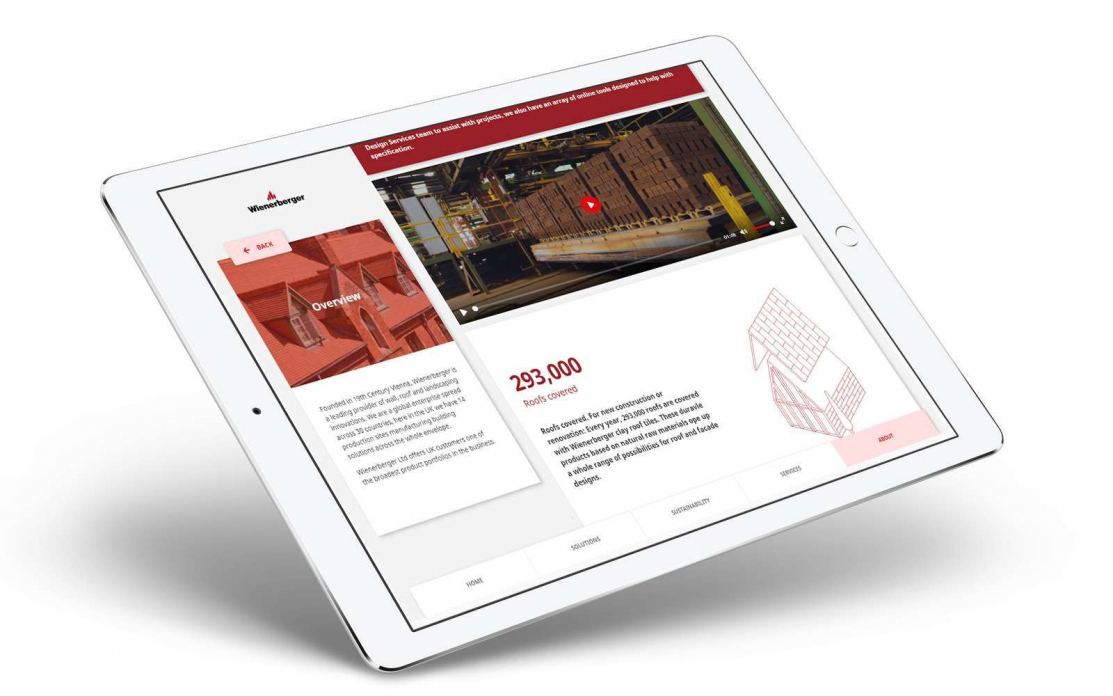
POP Scoops Construction Marketing Award for Excellence in Digital Sales Tool Development
Read

Case Study: How POP Create Interactive Presentations That Are Easy for Customers to Share Internally
Read
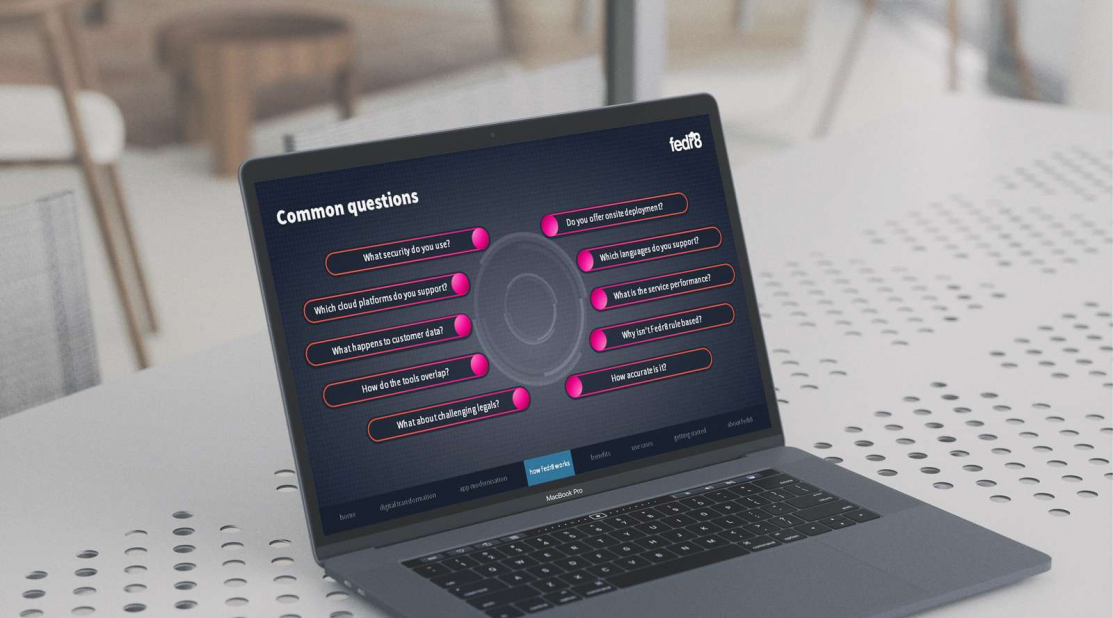
5 Ways to Create Persuasive Presentations | POPcomms
Read