




Complex B2B prospecting gets hard fast. Long cycles, technical solutions, big buying groups, and not enough hours in the day for your BDR team. Business development platform software can help, but only if it actually fits the way complex deals work in industrial, healthcare and technology markets.
Here we walk through a simple, BDR-focused scorecard. It covers outbound workflows, sequencing and CRM fit, micro-demo support, and the meeting-to-deal-room handoff. The aim is clear: help you pick tools that turn confusing prospect journeys into clear, trackable next steps.
Turn Complex B2B Prospecting Into Clear Next Steps
By late summer, many BDR leaders are under pressure. Pipelines need a push before year end, but deals are getting more technical and more multi-threaded. Buyers expect clarity, not canned sequences and generic decks.
The problems usually look like this:
- Disconnected tools that do not talk to each other
- Generic sales engagement platforms that treat complex deals like simple outreach
- Static content that cannot show how your solution actually works
A modern business development platform stack, built around buyer enablement, can change that. When outbound workflows, content, analytics and deal rooms line up, BDRs get a clear playbook from first touch through to qualified opportunity.
Build Strong Outbound Workflows That Scale
Start by scoring how the platform supports outbound workflows at scale. The question is simple: does it match how your team really works?
Look at workflow flexibility and control:
- Can BDR managers design, clone and tweak workflows for different verticals and personas?
- Does it handle multiple product lines, partner motions and geo-specific rules?
- Can you mix channels easily, for example email, phone, LinkedIn, events and ABM plays?
Then check collaboration with marketing and product. For complex B2B, you want:
- Shared libraries of stories, one-pagers and technical explainers
- Clear approvals and version control so no one sends old messaging
- Central content that drops into BDR workflows without manual hunting
As you head into late Q3 and Q4, visibility and coaching really matter. Make sure team leads can:
- See step-by-step conversion for each workflow
- Compare performance by segment, industry and persona
- Run small experiments on subject lines, call scripts and asset mixes, then lock in winners before targets peak
Score each of these on a simple scale, for example 1 to 5, and you will quickly see which platforms really support complex outbound work.
Ensure Seamless Sequencing and CRM Fit
Next, look at how well the software fits your CRM. In complex B2B, this is where many tools fall short.
You want native CRM integration and clean data handling:
- Two-way sync with Salesforce, Dynamics, HubSpot or your chosen CRM
- Support for custom objects and complex account hierarchies
- Clear handling of multiple stakeholders per account and parent-child structures
Then check sequencing sophistication. For real buying groups, BDRs need to:
- Build sequences at account level, not just for single contacts
- Use role-based messaging for technical, operational and financial stakeholders
- Trigger different paths based on engagement, such as opens, content views or micro-demo activity
Admin control and governance also matter, especially when volumes spike later in the year. Sales ops should be able to:
- Enforce data standards and territory rules
- Manage opt-outs and regulatory needs
- Set regional calendars, working hours and holiday-aware cadences for global outreach
If the platform scores low here, you will feel it in messy records, annoyed buyers and lost context between systems.
Turn Static Outreach Into Interactive Micro-Demos
Now we get into buyer enablement. BDRs in industrial, healthcare and tech often need to explain complex ideas early, without overwhelming prospects.
Look at how the platform moves you from flat attachments to guided buyer experiences:
- Can BDRs send interactive product overviews or solution maps instead of long decks?
- Is it easy to tailor these to each persona or use case?
- Can non-technical BDRs build or tweak micro-demos from centrally managed building blocks?
For sectors with technical and compliance demands, contextual storytelling is key. Score whether micro-demos can:
- Reveal deeper technical detail only when buyers are ready
- Show different industries or solution bundles in one smooth path
- Keep things clear for early-stage buyers, while still accurate for experts
Engagement analytics should then feed smarter follow-up. BDRs should see:
- Which sections buyers explored and for how long
- What was shared inside the account
- Triggers that adjust the next sequence step or signal handoff to an AE
This is where POPcomms, as a buyer enablement platform, is built to fit right in. It helps turn complex solutions into intuitive, interactive buyer experiences, with analytics and central content control that support everything BDRs do up front.
Nail the Meeting-to-Deal-Room Handoff
Finally, score how well the platform handles the move from first meeting to active deal. Messy handoffs cost time and trust.
For a clean BDR-to-AE transition, make sure it supports:
- Structured capture of notes and qualification data
- The ability for BDRs to create a deal room shell, pre-loaded with relevant micro-demos, case studies and technical docs
- Simple ways to adjust that deal room as new stakeholders arrive
Centralised, secure buyer collaboration matters even more in regulated or IP-sensitive settings. Check whether:
- Access can be controlled by role and company
- Activity is tracked so you know who did what and when
- Every stakeholder can revisit content and leave questions in one place, instead of long email chains
Then look at continuous insight from first touch to close. Strong reporting will:
- Join BDR outreach, micro-demo engagement and deal room activity into one story
- Show which workflows and assets drive progression
- Help you refine plays before the new year planning cycle
FAQs on Business Development Platform Software for BDRs
What is business development platform software in a complex B2B context?
It is a connected set of tools that supports BDRs from account targeting through to qualified opportunity. It covers outbound workflows, engagement with buying groups, sequencing that stays in sync with the CRM, and structured handoff to AEs.
How is a buyer enablement platform different from standard sales engagement tools?
Sales engagement tools focus on volume and efficiency of outreach. A buyer enablement platform focuses on helping buyers understand and explore complex solutions, with interactive content, deal rooms and deeper analytics that sit alongside those outreach tools.
When should we invest in new business development platform software?
You should think about it when BDRs struggle to explain what you do, content is inconsistent, or AE handoffs feel messy. Many teams review platforms in late summer so they can train BDRs and prove impact before year end.
What metrics should BDR leaders track after implementation?
Track leading signals such as contact-to-meeting rates, account-level engagement, micro-demo views and sequence step performance. Match those with lagging metrics like opportunity creation, stage movement and pipeline influence.
How can we trial a buyer enablement-led approach without a full rollout?
Start with one clear segment, such as a single industry or product line, and a focused BDR and AE group. Give them tailored workflows, interactive micro-demos and a standard deal room template for at least one full quarter, then compare results with your old approach and refine your scorecard from there.
Transform Your Business Development With Interactive Customer Experiences
If you are ready to move beyond static decks and disjointed tools, our team at POPcomms can help you build a tailored business development platform software experience that genuinely supports your sales conversations. We work closely with you to uncover your customers’ journeys and turn them into clear, interactive stories your teams can use every day. To explore what this could look like for your organisation, simply contact us and we will walk you through the next steps.

Related Posts
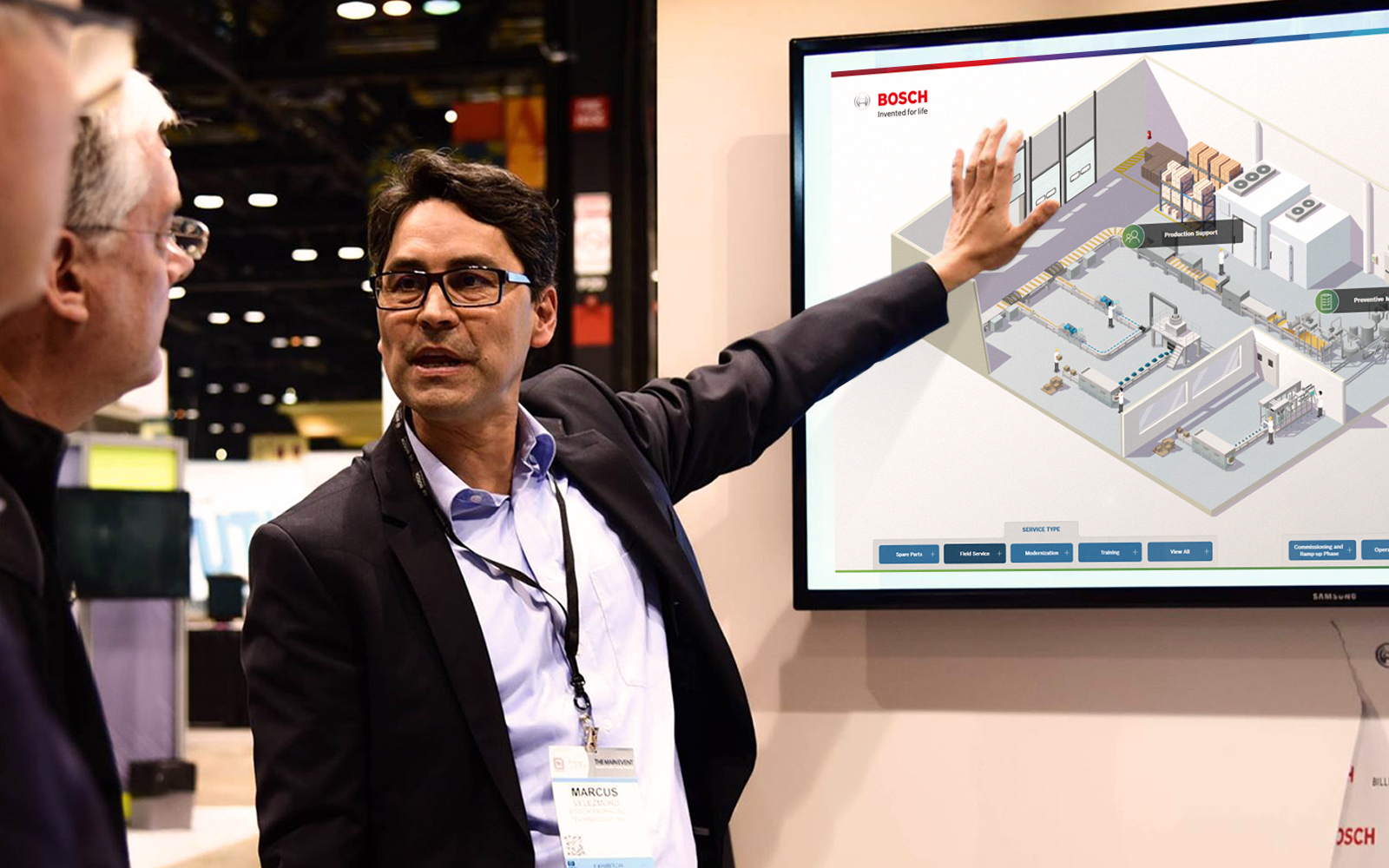
Build Interactive Product Catalogs on Touchscreen
Read
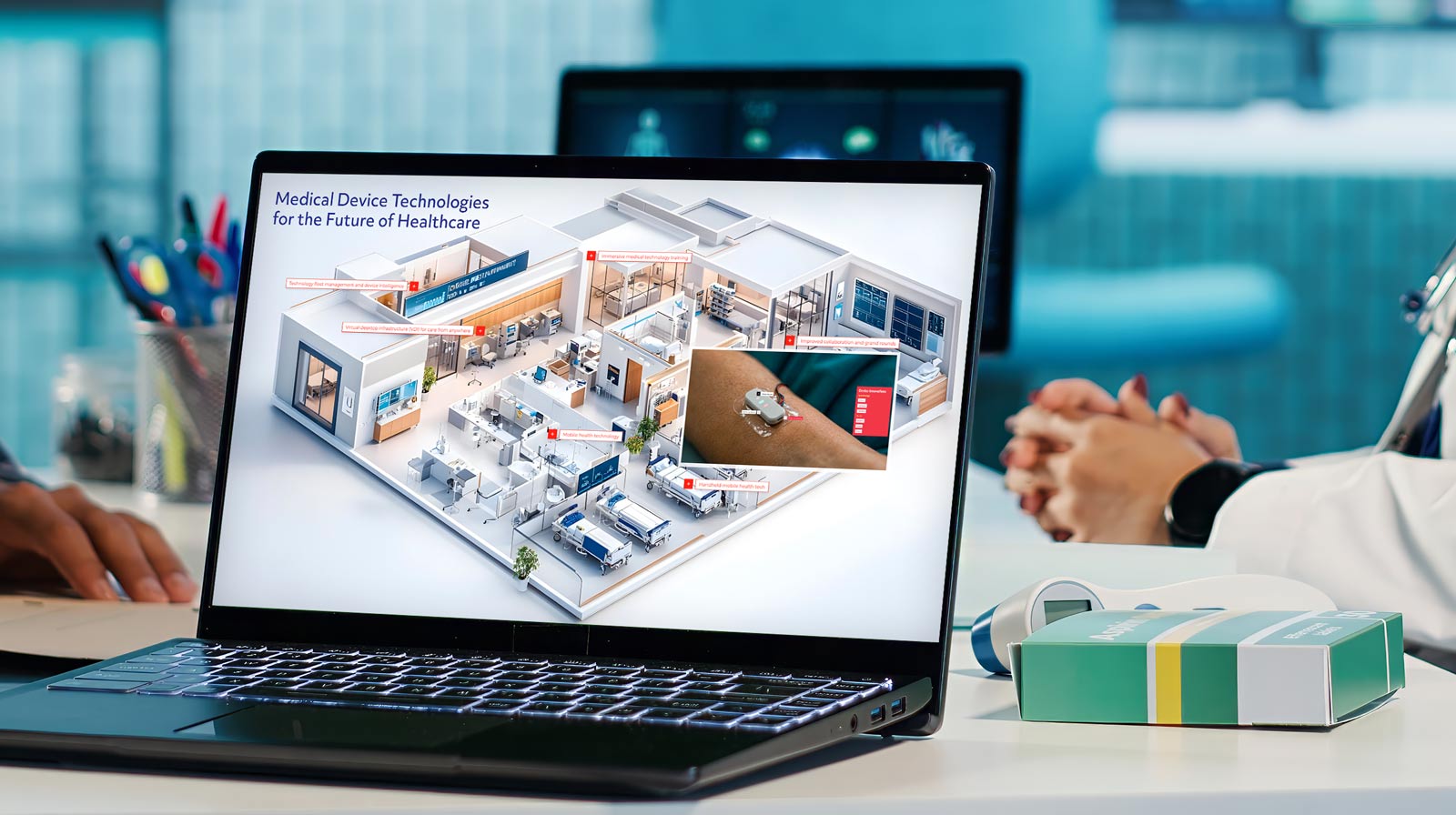
eDetailing Software for MedTech: Beyond the PDF
Read
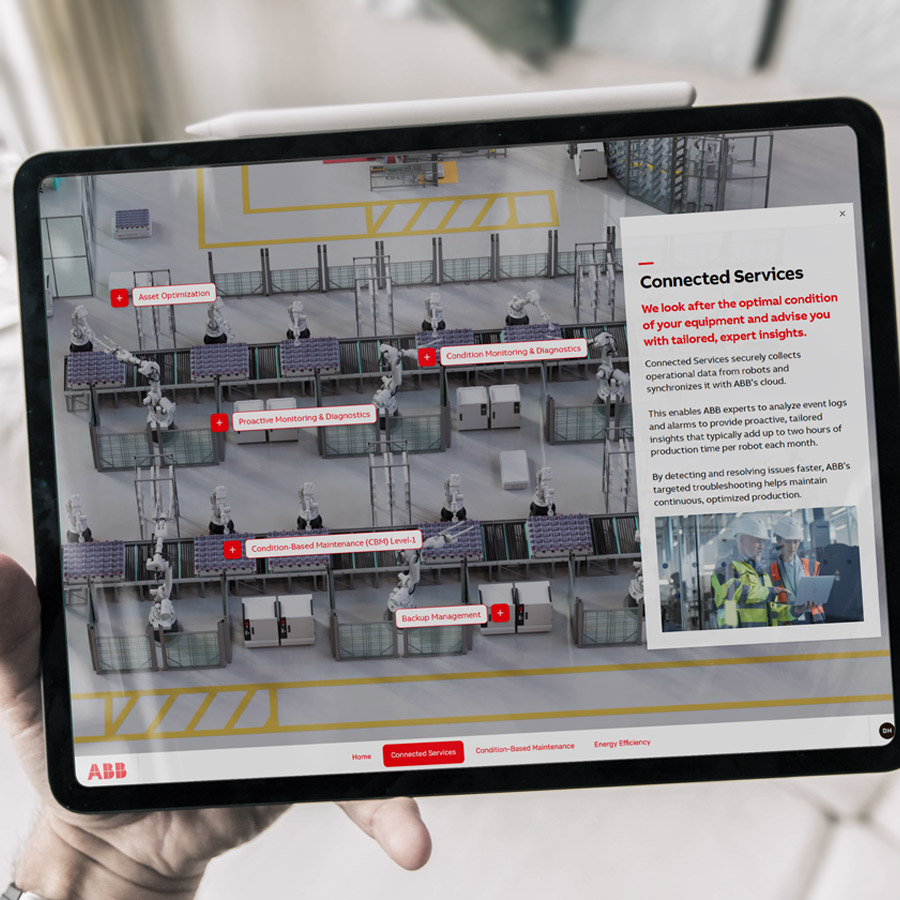
Real-Time Sales Material Customization
Read
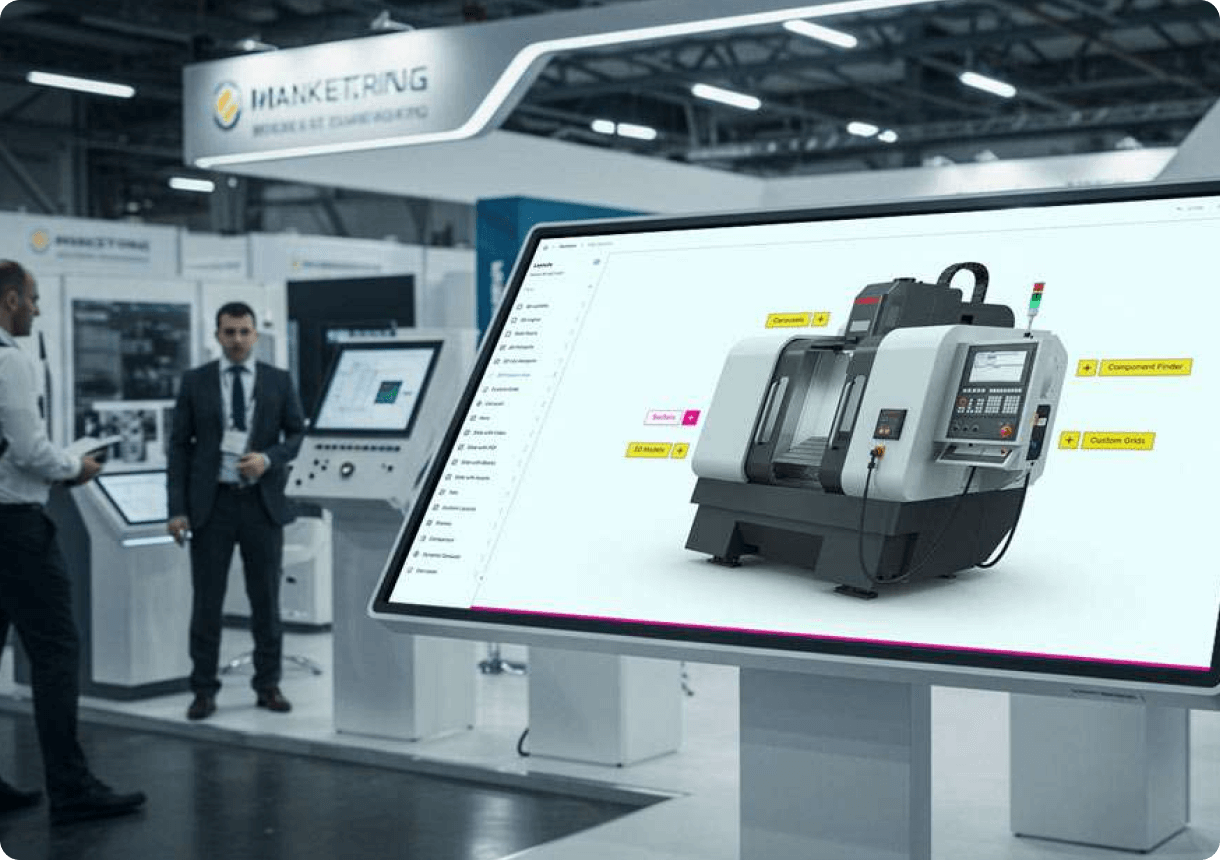
Affordable Touchscreen Software for Small Businesses
Read