




Complex B2B platform decisions often feel slow and messy. Too many meetings, unclear requirements, and shiny demos that confuse more than they clarify. A smart RFP for a buyer enablement platform turns all that chaos into a clear, shared buyer roadmap.
We are going to walk through how to build that roadmap, using a requirements matrix, weighted scoring, and a clear sign-off process. This works especially well if you sell industrial, healthcare, or advanced technology solutions, where deals are long, products are complex, and every stakeholder wants something different.
Turn RFP Chaos Into a Clear Buyer Roadmap
In complex B2B sales, platform evaluations tend to drag. Sales wants speed, marketing wants control, IT wants security, and leadership just wants a decision. Without structure, you end up with endless demos, competing opinions, and stalled buying cycles.
A focused RFP made just for a buyer enablement platform helps you:
- Align stakeholders on what success looks like
- Compare vendors on the same clear criteria
- Shorten time to decision with transparent scoring
Buyer enablement platforms, like POPcomms, give your buyers guided, digital experiences that make complex offers easy to understand and share. Mid-year is a great moment to get serious about requirements, so you can lock in decisions before next year’s budget crunch hits.
Defining Success for Your Buyer Enablement Platform
Before you write a single requirement, you need to be clear on outcomes. Ask: what should change for our buyers and for our sales team?
Common goals include:
- Shorter sales cycles
- Higher quality deals and better fit customers
- Strong alignment across sales, marketing, and product
- Deeper insight into how buying groups engage with content
Then link those goals to buyer enablement capabilities like:
- Interactive content and guided selling flows
- Personalization for each account, role, and use case
- Strong integration with CRM and marketing automation
- Analytics that show who is engaging, with what, and when
Buyer enablement is different from sales enablement. Sales enablement focuses on arming reps. Buyer enablement focuses on giving buyers a clear, digital path, so they understand options, value, and trade-offs at their own pace.
In complex sectors, that often means:
- Industrial: configuring multi-part solutions, showing plant or site options, supporting channel partners
- Healthcare: walking through clinical value, safety, and regulatory content in a controlled way
- Advanced tech: explaining architectures, running tailored demos, or interactive simulations
Building Your Requirements Matrix for Complex B2B
A requirements matrix is a simple but powerful table. It lists what you need, grouped by category, and lets you compare vendors side by side. For complex B2B, this keeps different business units and regions on the same page.
Core categories usually include:
- Experience design: interactive journeys, visual storytelling, offline use
- Personalization and configurators: guided choices, solution builders, calculators
- Content management: version control, approvals, reuse across teams and markets
- Data and analytics: engagement tracking, dashboards, exports
- Integrations: CRM, marketing automation, data warehouses, identity systems
- Security and compliance: access control, audit trails, data protection
- Scalability and governance: multi-region, multi-brand, role-based permissions
Then layer in needs by segment:
- Industrial: complex product hierarchies, multi-site views, channel partner access
- Healthcare: strict control over regulated content, secure logins, approval flows
- Advanced tech: fast updates to demos, technical narratives, sandbox or simulation support
For each requirement, mark:
- Priority: must-have, should-have, nice-to-have
- Vendor response: out of the box, configuration, customization, roadmap
This keeps your RFP focused on what really matters instead of hundreds of vague questions.
Setting Up Weighted Scoring and Stakeholder Sign-Off
Weighted scoring helps you avoid decisions based only on price or who gave the best demo. Each requirement category gets a weight based on business impact. For example:
- Buyer experience: 30%
- Analytics and insights: 25%
- Integrations: 20%
- Security and compliance: 15%
- Governance and scalability: 10%
You can adjust these for your sector. Healthcare might increase security, advanced tech might increase experience and integration.
Then you:
- Create a scoring scale, such as 1 to 5, with clear meaning for each score
- Ask all evaluators to score vendors against the same matrix
- Multiply scores by the weights to get a total weighted score
Alongside the numbers, capture qualitative notes on:
- Vendor partnership and culture fit
- Implementation approach and services
- Product roadmap and how well it matches your direction
For sign-off, you will usually involve:
- Sales and marketing
- Sales engineering or pre-sales
- Product and subject matter experts
- IT, security, and compliance
- Executive sponsors
A simple process looks like this:
- Discovery workshops and goal setting
- Draft RFP and requirements matrix
- Stakeholder review and weight agreement
- Shortlist and RFP issue
- Demos and proof-of-concept
- Final scoring and executive endorsement
When conflicts appear, for example IT security vs marketing agility, you can point back to the agreed weights and priorities instead of personal opinions.
Seasonal Planning and FAQ
Starting your RFP in June works well. While the weather is warmer and many teams are planning for the next year, you can:
- Lock requirements in early summer
- Run vendor evaluations in late summer
- Select a platform in early fall
- Plan implementation so you hit the ground running in the new year
That timing usually fits common budget cycles and major industry events in industrial, healthcare, and advanced tech.
Here are some common questions we hear about buyer enablement RFPs.
FAQ
Q1: What is a buyer enablement platform and how is it different from a CRM?
A buyer enablement platform guides buyers through complex digital journeys with interactive, personalized content and clear engagement analytics. A CRM mainly tracks internal sales activities and pipeline. They should work together, with the buyer platform feeding engagement signals into the CRM.
Q2: How detailed should our buyer enablement RFP be?
It should be detailed enough to cover your key use cases, technical needs, and governance rules, but not so strict that it blocks creative solutions. Focus on outcomes and your requirements matrix, rather than a giant list of low-impact questions.
Q3: How many vendors should we invite to respond?
For complex B2B, most teams can handle responses from three to six vendors. Start wide with research, then narrow to a shortlist that clearly fits your sector and buying needs before sending the RFP.
Q4: How do we compare vendors with very different feature sets?
Use your weighted scoring model. Score each vendor against the same requirements, call out where they shine or fall short, and note trade-offs. Add comments on usability, support, and strategic fit next to the scores.
Q5: How soon should we expect ROI from a buyer enablement platform?
Many teams see early signs, like higher content engagement and sharper sales conversations, in the first few months. More concrete results in deal speed, win rates, or deal size usually follow as the platform rolls out and your teams build it into their standard way of selling.
When you treat your buyer enablement RFP as a strategic blueprint, not a checkbox task, you give your buyers a clearer path and your teams a shared plan. Platforms like POPcomms are built to help industrial, healthcare, and advanced technology businesses turn complex propositions into digital experiences that buyers can truly understand, share, and act on.
Turn Your Buyer Enablement RFP Into A Confident, Data-Driven Decision
If you are ready to turn your RFP into a clear, measurable path to a better buying experience, our buyer enablement platform is built to support complex B2B sales and buying groups. At POPcomms, we help you translate your requirements matrix into real-world digital experiences that sales teams actually use and buyers trust. If you would like to talk through your scoring model or see how your stakeholders’ needs can be reflected in an interactive demo, you can contact us and we will walk you through practical next steps. Below are answers to common questions about getting started with a buyer enablement platform for complex B2B RFPs so you can move forward with clarity and alignment.

Related Posts
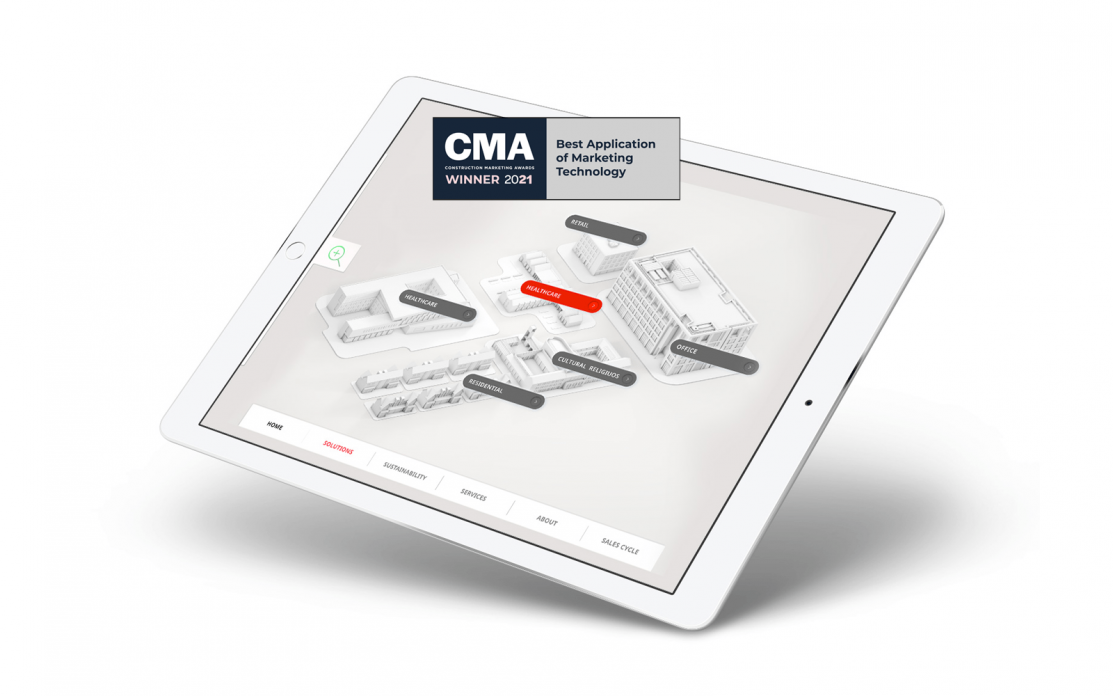
How Do You Use Martech to Build Buyer Confidence?
Read
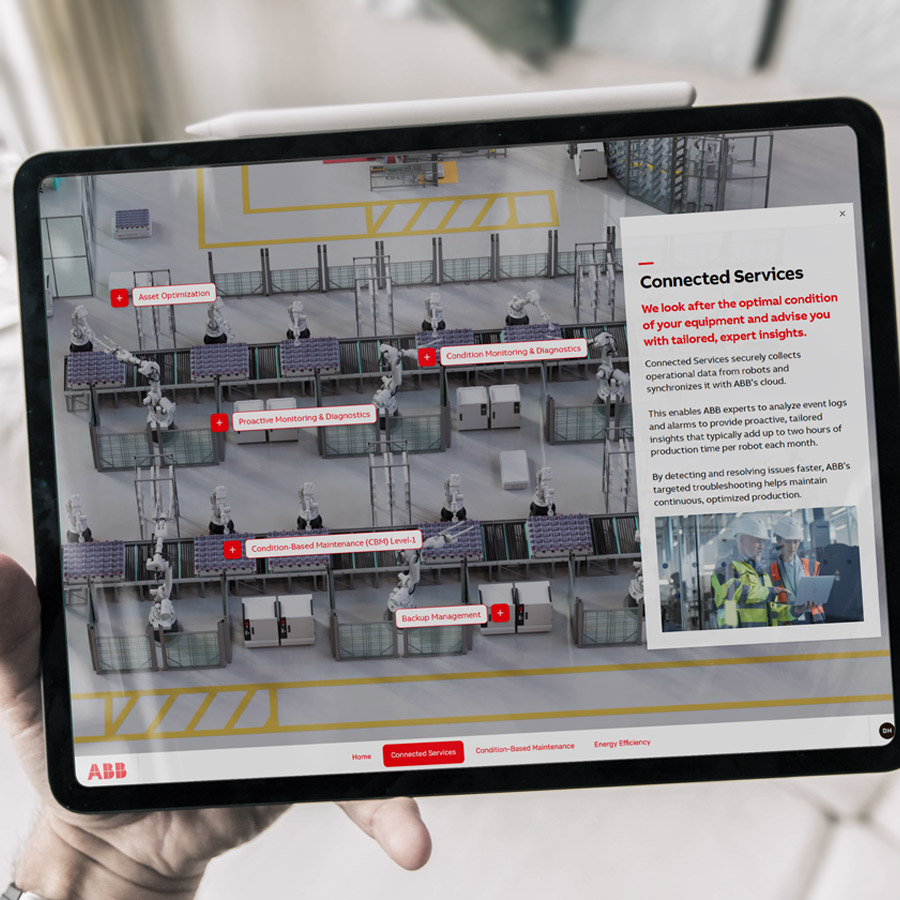
Buyer Enablement Service Providers for Industrial B2B
Read

When Complex B2B Sales Stall Because Buyers Lack Confidence
Read

Storytelling in Sales Enablement Strategy | POPcomms
Read