



Stop Confusing Your Enablement Strategies
Revenue enablement, buyer enablement, and sales enablement may sound alike, but in complex B2B settings, they lead to different decisions, tools, and outcomes. If you sell industrial systems, healthcare solutions, or advanced technology, confusing these approaches can slow deals, create team confusion, and waste content.
In real buying committees, people are less concerned with labels and more focused on quickly understanding risk, compliance, return, and impact. Sales cycles are getting longer, budgets are under scrutiny, and every new stakeholder wants clear evidence. It is important to clarify what each enablement model does, when it is most useful, and how a revenue enablement platform can unify these efforts.
At a simple level:
- Sales enablement focuses on seller productivity.
- Buyer enablement focuses on buyer decision support.
- Revenue enablement focuses on end-to-end value creation across all teams.
The best approach depends on your go-to-market strategy, how complex your content is, and the technology you use. When done right, a modern revenue enablement platform can bring all three together, so your teams and buyers work from a single, reliable source of information.
What Each Enablement Model Really Focuses On
Let us keep the definitions clear and simple.
- Sales enablement is about making sellers ready, confident, and consistent. It covers training, content access, talk tracks, and tools that help them hit quota.
- Buyer enablement is about helping buyers make sense of complex choices. It focuses on clear, guided, often interactive content that cuts through confusion and builds confidence.
- Revenue enablement takes a broader perspective. It brings together Sales, Marketing, Customer Success, and sometimes Service and Partners, all working toward a unified customer journey and shared revenue goals.
Ownership tends to look like this:
- Sales enablement is usually led by Sales or a dedicated Sales Enablement team.
- Buyer enablement is often driven by Marketing or Product Marketing, with Sales input.
- Revenue enablement is normally cross-functional, led by RevOps or senior leadership.
They overlap in areas like:
- Content creation and management
- Training and messaging consistency
- Insights and analytics.
They differ in focus:
- Internal vs external: Sales enablement focuses on internal needs, buyer enablement looks from the buyer’s perspective, and revenue enablement aims to balance both.
- Metrics: sales enablement tracks quota and activity, buyer enablement tracks decision progress, revenue enablement tracks long-term account value.
- Time frame: Sales enablement often focuses on the current quarter, while revenue enablement also considers renewals and growth opportunities.
Use Cases and Core Capabilities You Actually Need
In complex B2B, each model shines in different moments.
Sales enablement fits when you need to:
- Onboard new sales hires quickly
- Roll out product launches with simple, repeatable stories
- Give basic playbooks, objection handling, and scripts
Buyer enablement shines when you are dealing with:
- Complex solution demos and visual maps
- Configurations and trade-offs that buyers struggle to picture
- ROI and business case stories that many stakeholders must agree on.
You see this in stages, such as:
- Early discovery, where interactive guides help buyers share their challenges
- Solution design, where visual tools show how different modules fit together
- Stakeholder alignment, where clear, shareable content keeps everyone on the same page
- Business case, where finance and operations want proof and clear numbers
- Post-sale, where success teams use the same stories to show value and expansion paths.
All of this happens in hybrid selling, where buyers move between online research and in-person meetings. Healthcare buyers deal with long procurement cycles and strict approvals. Industrial buyers manage ESG, safety, and operational risks. Advanced tech buyers weigh innovation against existing systems. Having a clear model and the right buyer enablement platform helps each person focus on what matters to them, while your teams get the complete view.
To do that, you need some shared foundations:
- A central content hub with strong governance and version control
- Analytics on content and engagement tied back to accounts and deals
- Integrations with CRM and collaboration tools your teams already use
Revenue enablement comes into its own when:
- Multiple teams work one account from first contact to renewal
- You run land-and-expand motions with new sites, regions, or product lines
- Your service and success teams need the same context Sales saw at the start
On top of that:
- Sales enablement needs training, coaching, certifications, and dynamic playbooks.
- Buyer enablement needs interactive content, guided discovery, configurators, and self-service options that still feel personal.
- Revenue enablement needs cross-functional workflows, shared account plans, revenue intelligence, and journey mapping across the full lifecycle.
How to Choose the Right Strategy and Platform
So which path should you pick?
First, look honestly at:
- Deal complexity and technical depth
- Number and type of stakeholders in a typical deal
- Regulatory and approval needs, especially in healthcare and regulated industry
- Your current tech stack and integrations
- Internal maturity and change appetite
- Budget plans for the next planning cycle
A simple guide:
- If your deals are fairly standard, content is not too complex, and Sales is your main touchpoint, start with sales enablement and basic content structure.
- If buyers keep getting lost, confused, or stuck in internal debates, you need buyer enablement on top, with clear interactive tools and guided content.
- If you already have many teams touching the same accounts, and data and content are scattered, it is time for a full revenue enablement platform approach.
When you speak with vendors, ask:
- How do you handle governance and compliance for complex, regulated content?
- What depth of analytics do we get at both content-level and account-level?
- How easy is it for non-technical users to build and update interactive content?
- How do you support personalisation for different roles in a buying committee?
- What does implementation look like and who helps with change management?
Real Examples, Buyer-led Revenue, and FAQs
Think about an industrial setting. Instead of long static brochures and heavy slide packs, teams move to interactive solution maps. Buyers can click through plant areas, explore options, see the impact on operations, and flag interests. Sales sees what they clicked, for how long, and which parts of the map show up in won deals. That insight feeds pipeline reviews and future content choices.
In healthcare, governed, compliant content journeys matter. Clinical, procurement, and IT teams all need different detail, but messages must stay aligned and approved. A buyer enablement platform lets central teams control versions, apply rules, and track which sequences of content lead to smoother approvals and shorter committee cycles.
For advanced technology, live configuration is key. Sellers and buyers can walk through architecture choices together, adjust modules, and see impact straight away. Preferences are captured, not scribbled on a notepad, and passed straight into delivery and Customer Success with full context.
This is why, in complex B2B, we believe buyer enablement should be central to revenue enablement, not just a small addition to sales enablement. When you focus on the buyer, your forecasts get better, deals move faster, and win rates increase because your data is based on real buyer actions in your content, not just call notes.
A simple 90-day action plan could be:
- Audit your current content and sales motions, and list where buyers get confused.
- Pick one or two high-value buyer journeys, such as a key product line or segment.
- Turn those into simple, interactive, guided experiences with clear governance.
- Plug them into your sales process and review the data together every week.
- Use those learnings to plan a broader revenue enablement platform rollout.
FAQs on Revenue, Buyer, and Sales Enablement
FAQ 1: What is the main difference between revenue enablement and sales enablement?
Revenue enablement covers all customer-facing teams and the full lifecycle, not just Sales and not just new deals. Sales enablement focuses mostly on helping sellers win opportunities and reach quota.
FAQ 2: When does it make sense to invest in a revenue enablement platform?
It makes sense when you have buying committees, complex deals, and several teams touching the same accounts, but content and data feel fragmented and hard to trust.
FAQ 3: Can buyer enablement work without changing our sales enablement tools?
You can make gains with better content alone, but at some point you need tech that supports interactive experiences, strong governance, and buyer-level analytics, connected to your CRM and existing tools.
FAQ 4: How do we measure ROI from buyer enablement in complex B2B?
Look at time-to-understanding, meetings needed to align stakeholders, deal speed, win rate, and deal size. On the content side, track depth of engagement and which experiences show up most in won deals.
FAQ 5: Is enablement strategy different for existing customers vs new prospects?
The core ideas are the same, but new prospects need more education and clarity, while existing customers need proof of value, adoption support, and clear expansion paths. A strong revenue enablement platform helps you serve both, using one shared view of the account and its history.
Unlock More Revenue From Every Customer Conversation
If you are ready to equip your teams with the tools and insights they need to sell smarter, our buyer enablement platform is designed to help you do exactly that. At POPcomms we work closely with you to align content, data and interactions so your sales conversations are consistently relevant and impactful. Talk to our team to explore what this could look like for your organisation and next steps for implementation, or simply contact us to arrange a tailored walkthrough.

Related Posts
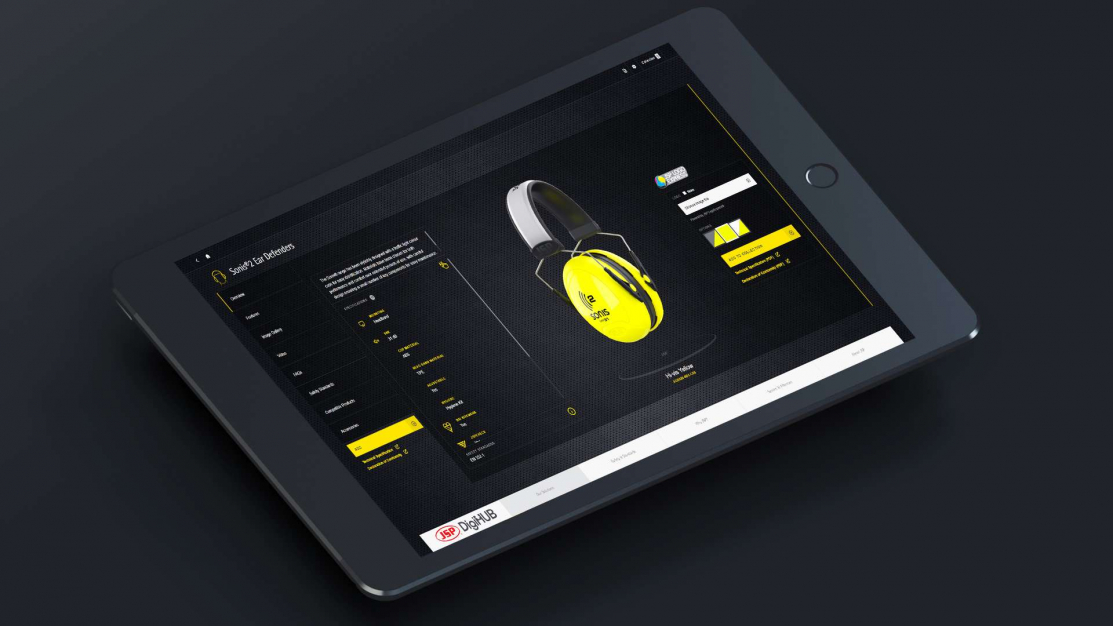
JSP Safety – Key Account Director outlines the transformative benefits of their buyer enablement platform
Read

What is Buyer Enablement? How to Embrace the Movement
Read
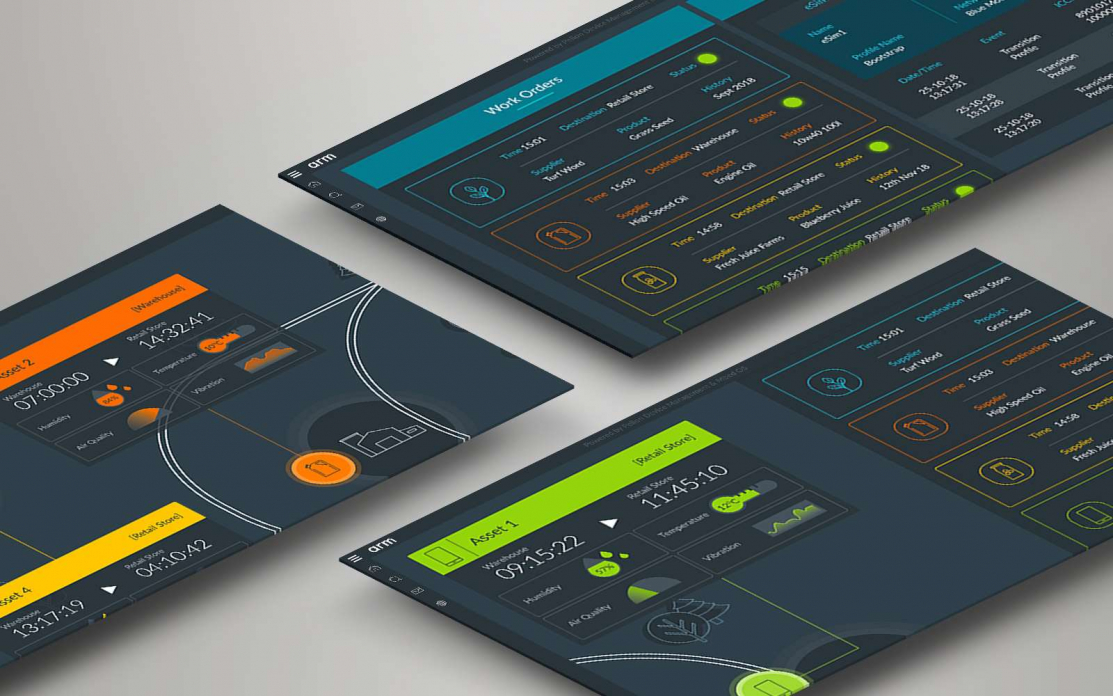
Sales Enablement Tools: 6 Financial Benefits With An Interactive Experiences Platform
Read

Why Leading Brands Should Implement Revenue Enablement
Read