




Sales decks used to be simple: a long trail of slides, the same story for every buyer, and very little space for real conversation. Now we can turn those same slides into living tools that react to the people in the room and what they care about. That is what happens when you move to interactive sales deck software.
In this article, we’ll show how interactive decks can improve buyer conversations, organize your content, and help your team see what’s working. We’ll keep it simple and practical, especially for sales teams in industrial, healthcare, and advanced technology fields who deal with complex solutions every day.
Turning Static Slides Into Dynamic Buying Experiences
Traditional slide decks follow a set order. You start at the first slide and go straight through to the end, hoping the key points are still visible when the meeting ends.
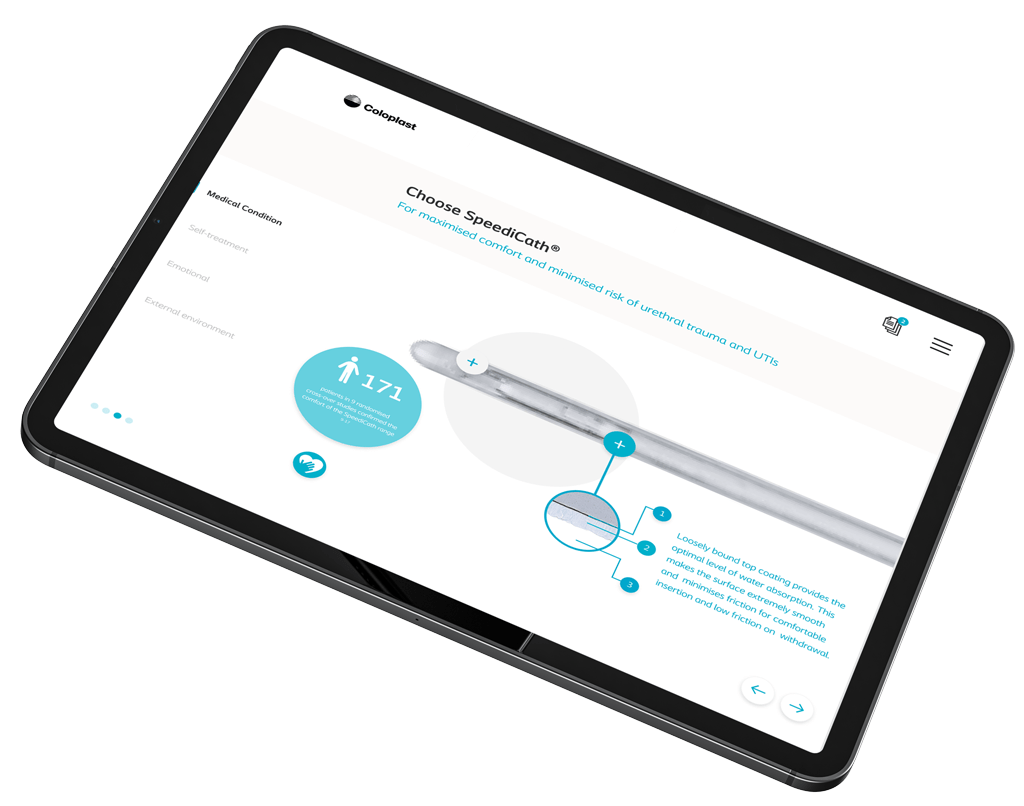
With interactive sales deck software, the deck works more like a guided app than a regular slide show. Salespeople can quickly jump to what matters, and buyers can choose what they want to see next.
You move from:
- Overloaded slides to clean screens that reveal detail only when needed
- One-way talk to two-way discussion where people ask questions early
- Guessing what is relevant to showing scenarios that clearly match their world
As budgets open up and bigger projects move forward in spring, many teams find their calendars filling fast. This is a perfect moment to stand out during long procurement cycles by making each meeting feel more focused, helpful, and memorable than the last supplier’s.
How Interactivity Changes Buyer Conversations
When the deck is interactive a conversation can take place not a pitch. Instead of racing through a script, the salesperson can pause, click, zoom in and explore topics with the buyer.
For example, during a discussion, the team can:
- Ask a question, then open a path that fits the answer
- Switch between high-level views and technical layers in a few taps
- Co-create a solution story that lines up with the buyer’s own goals
Branching paths and clickable menus let you keep all the details of your industrial, healthcare, or advanced technology offering. You simply reveal the right information at the right time and in the right order.
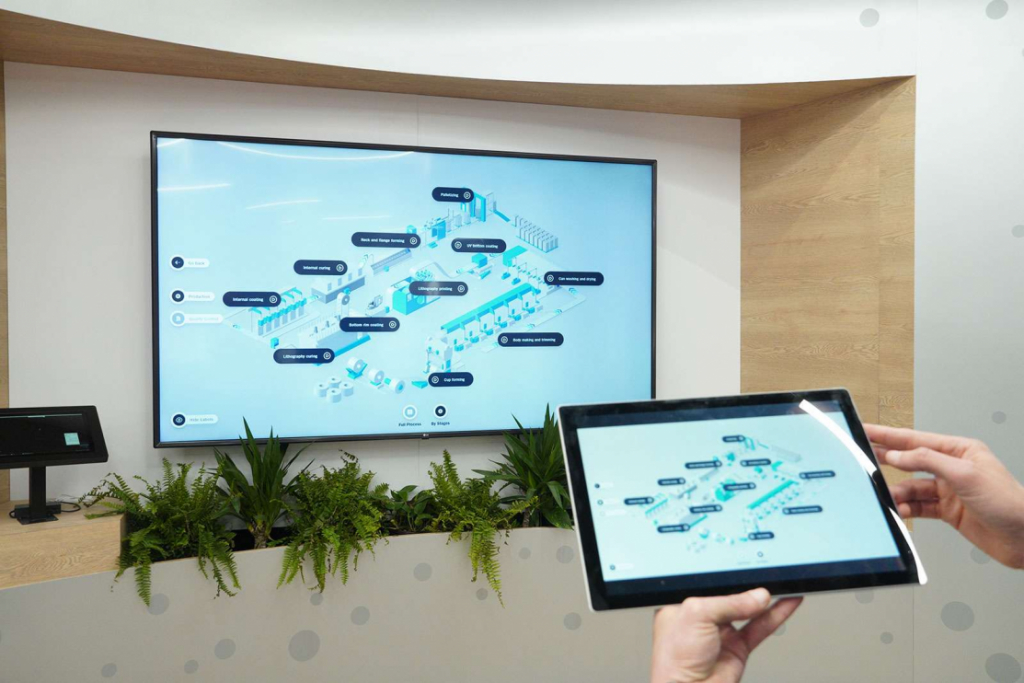
You can show complex systems, workflows, or architectures as simple visual maps. Non-technical stakeholders can see how everything connects without reading long documents. This makes it easier for everyone to focus on making decisions instead of just trying to keep up.
Turning Content Chaos Into a Single Source of Truth
Most teams have dealt with content chaos. Files end up in email threads, old folders, personal drives, and unfinished decks. Before meetings, people rush to gather everything they need.
Interactive sales deck software lets you move all your content into one central hub. The deck becomes a gateway to a single, organized set of materials, such as:
- Product and solution sheets
- Case stories and proof points
- Demo flows and system views
- Pricing ranges and ROI tools
For regulated fields like healthcare or highly engineered products, this also helps keep your brand and compliance in check. People use approved content instead of pulling slides or wording from old decks.
Prep time goes down because sales and business development teams know exactly where to find what they need. During busy planning seasons, this matters. It means more time focused on the buyer and less time searching for missing slides.
Personalised Buyer Journeys That Build Confidence
Every buying group is unique. Some are just starting to explore, while others are already deep into technical details. Interactive decks make it easier to guide each group along a path that fits their needs.
Configurable pathways let you shape the flow by:
- Role, like clinical lead, plant manager or CIO
- Sector, such as a healthcare provider or an industrial manufacturer
- Use case, from efficiency to safety or innovation
- Maturity, from first-time buyers to long-term partners
When buyers use the deck, they leave a trail of clicks, opens, and time spent. This engagement data shows what interested them. You can then focus follow-up messages and meetings on those topics, instead of sending the same generic materials every time.
Since the same interactive paths can be shared with the whole buying group, your main contact can replay the story for their colleagues. The message stays consistent, clear, and aligned, even when you are not there.
Engagement Intelligence That Transforms Sales Strategy
The benefits of interactivity continue after the meeting ends. When you can see who engaged with which parts of the content, for how long, and in what order, it becomes easier to understand deal conversations.
Sales leaders can use this engagement data to:
- Spot content that is used a lot and content that is always skipped
- Identify talk tracks and flows that tend to keep buyers engaged
- Coach newer team members using examples from real meetings
Over time, patterns appear across industrial, healthcare, and advanced technology accounts. You can see which themes open doors, which questions slow deals, and where buyers get stuck. This helps leaders know where to focus, how to support teams, and how to plan content investments.
Forecasting becomes less of a guessing game and more based on real signals, because you can see interest in how people interact with the deck, not just in what they say.
Making Interactive Sales Decks Part of Everyday Selling
To make interactive decks part of daily work, it’s best to start small and focused. Many teams begin with one group or region and expand once they see results.
A simple rollout path might include:
- Choosing a few key offers or sectors to start with
- Building interactive flows around your current strongest content
- Testing in real meetings, then adjusting based on feedback
- Scaling to more teams once the core patterns feel right
When you connect the platform to your CRM and marketing tools, interaction data can feed into pipeline updates, account plans, and nurturing. Sellers can keep using their usual systems while still getting better insights.
For adoption to last, training and coaching matter. People need time to practice the new process, share tips, and compare notes. Clear success measures, like meeting quality, cycle time, or stakeholder clarity, show that interactive experiences are not just a bonus for special bids, but the standard way the team sells.
As a buyer enablement platform, at POPcomms see this shift every day, especially in industrial, healthcare, and advanced technology businesses that need to explain complex solutions clearly. When static decks are replaced with interactive, shared experiences, sales meetings feel less like presentations and more like real buying moments.
FAQs: Interactive Sales Deck Software
What is interactive sales deck software, and how is it different from a normal PowerPoint?
Interactive sales deck software turns your deck into a guided experience rather than a fixed sequence of slides. Instead of “next, next, next,” you can use menus, branching paths, clickable visuals, and layered detail so the conversation follows what the buyer actually cares about in the moment.
Can we use our existing slides, or do we have to rebuild everything from scratch?
Most teams start with what they already have. The practical approach is to take your strongest current deck and convert key sections into interactive pathways—keeping the core story, but reorganising it so sellers can jump to the right proof points, system views, or ROI angles when questions come up.
How does this help when we sell complex solutions across industrial, healthcare, or advanced technology accounts?
Complex offers usually have mixed audiences in the room—some need a clear high-level view, others want technical depth fast. Interactivity lets you show the same solution at different levels without overwhelming anyone: simple visual maps for clarity, then deeper layers when stakeholders ask for specifics.
What does “engagement intelligence” actually show, and how should we use it?
Engagement intelligence typically shows what content was opened, what was skipped, how long people spent on sections, and the order they explored topics. Used well, it helps you tighten follow-up around what mattered, coach sellers with real examples, and identify which stories consistently move deals forward.
How do we keep content controlled and compliant, especially in regulated environments?
The simplest way is to centralise approved assets and make the deck the gateway to that single source of truth. That means sellers stop pulling old slides from personal folders, and you can keep messaging, branding, and regulated claims consistent—without slowing the team down before every meeting.
Transform Your Sales Conversations With Interactive Storytelling
If you are ready to replace static slides with dynamic, customer-focused conversations, our interactive sales deck software is designed to help your teams sell with confidence.
At POPcomms, we work closely with you to turn complex propositions into clear, engaging stories that adapt in real time.
Speak to our specialists to explore what is possible for your organisation, or simply book a discovery call today.

Related Posts
Why POP Is the Perfect Alternative to PowerPoint
Read
Interactive Presentations: Why Are Customer Trends and Challenges So Important?
Read
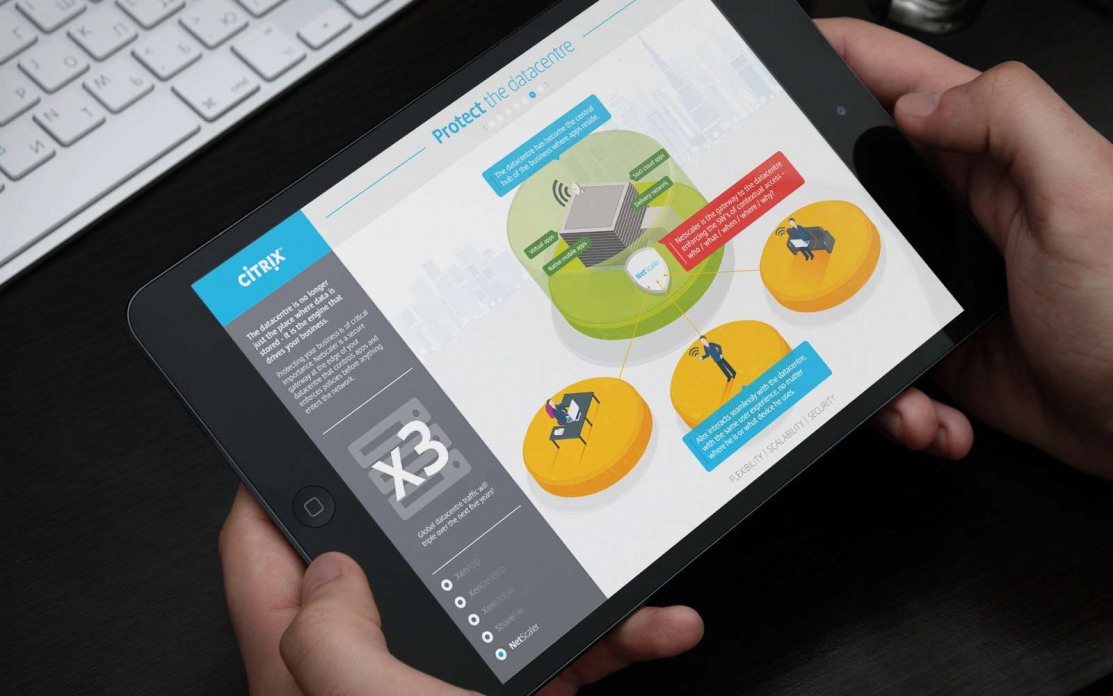
Case Study: How POP Create Interactive Presentations That Are Easy for Customers to Share Internally
Read
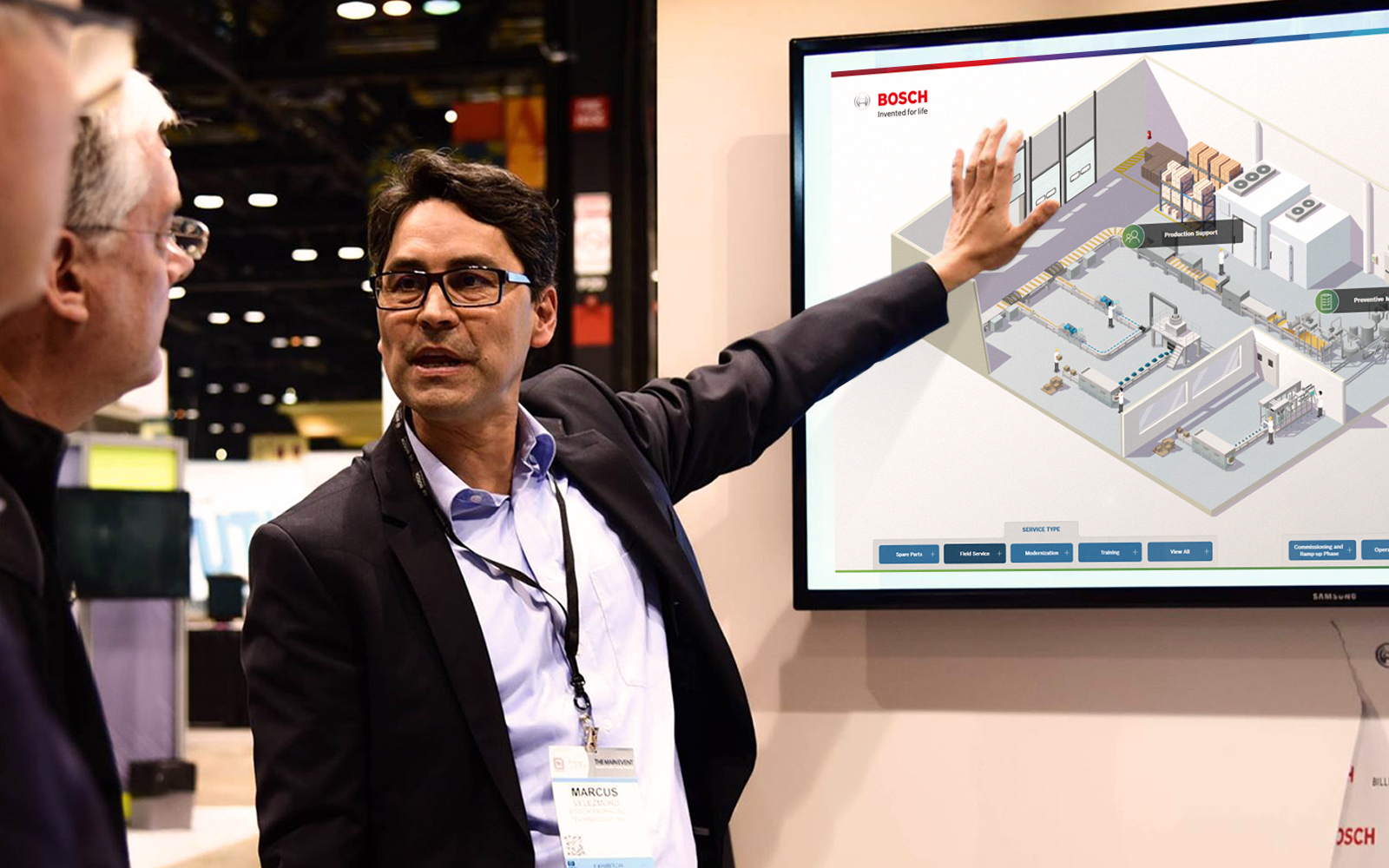
Consolidation Scorecard: Retire Overlapping Sales Content Tools in B2B
Read