




Industrial sales teams are under pressure. Long sales cycles, layers of stakeholders, and technical questions can slow everything down. When content is scattered and hard to follow, buyers get stuck and deals drift. Buyer enablement software can help clear the path, so buyers understand your solution and move forward with confidence.
We are going to look at what buyer enablement software really is, why it matters for industrial sales, and how to judge if a platform is right for your team. With budgets being reviewed after summer and new projects being scoped, this is a good time to step back and decide what tools you want in place before the next buying cycle hits.
Turning Complex Industrial Sales Into Clear Buyer Journeys
Industrial solutions are not simple. You might be dealing with:
- Long design and approval cycles
- Strict regulations and safety rules
- Complex installs, integrations and service plans
Buyer enablement software is about giving buyers what they need to make sense of all that. It is not only a toolkit for your sales reps. It is a guided experience that helps buyers move from early research to internal sharing to sign-off.
Around late summer, when people come back from holidays and start thinking about new capital projects, many teams rethink their tools. That is the perfect moment to ask: do we make it easy for buyers to buy from us, or are we putting work back on them?
Why Industrial Sales Teams Need Buyer Enablement Software
Industrial buyers like to research in their own time. They expect clear answers on:
- Technical specs and performance
- Compliance and safety
- Integration with existing systems
- Payback, running costs and ROI
If they cannot find this, they stall. They call your specialists over and over. They struggle to explain your solution internally, and the deal slows down at the last hurdle.
Buyer enablement software helps you build a clear map of the buying path. Different people see what matters to them, for example:
- Engineering gets deeper specs and system views
- Operations sees maintenance and uptime details
- Finance sees numbers, risk and ROI
- Procurement gets standards, certifications and terms
Without a platform like this, content is often scattered in old decks, local folders and emails. Messages change from person to person. Technical experts are dragged into every conversation, and late-stage approvals become a guessing game.
Core Capabilities to Look for in Buyer Enablement Platforms
When you compare platforms, focus on how they help buyers understand and decide. At a minimum:
Personalised content experiences
Interactive tours, calculators, configurators and scenario demos that turn complex systems into simple outcomes and clear next steps.
Strong content management
A single, controlled place for technical sheets, case studies and specs, so your teams are never sending outdated PDFs again.
Deep engagement insights
Tracking what buyers open, share and spend time on, so you know which team is active, who is involved and what topics are blocking progress.
The goal is not just shiny content. The goal is a guided path that makes sense to each person in the buying group.
Evaluating Fit for Complex Industrial Sales Cycles
Before you judge any platform, map your current sales process from first touch to post-sale. Spot the friction points:
- Discovery calls that get stuck in basic education
- Scoping that drags on because data is missing
- Technical validation that needs constant expert help
- Trials or pilots that are hard to explain or review
- Approvals that stall because the value story is unclear
Then test each platform against that real flow. Can it support multi-stage and multi-stakeholder deals, including channel partners and distributors? Will it help you give partners guided tools while still keeping control of content?
Integration also matters. Check how well it connects with your CRM, CPQ, marketing tools and data sources like installed base records or asset data. You want a joined-up view of the buyer journey, not another isolated system.
User Experience, Adoption and ROI
Even the smartest platform fails if people do not use it. Look closely at how easy it is for:
- Frontline sales to build and present complex solutions quickly
- Application engineers to answer technical questions visually
- Product specialists to keep content accurate and up-to-date
Ask yourself: can the team tailor content live in customer meetings or at busy autumn trade shows, even when the connection is poor or offline? Does the interface feel simple enough that most people can pick it up with light training?
Before you pick a platform, agree on what success looks like. You might track:
- Shorter deal cycles
- Better conversion from proposal to order
- Larger average deal size
- Less time spent building custom decks and documents
Make sure the platform can link engagement with revenue and pipeline stages. That way you can show how interactive content helps move deals forward, not just that people clicked on it.
Practical Steps, FAQs and Turning Evaluation Into Advantage
To move from ideas to action, build a clear requirements checklist that matches your sales strategy for the rest of the year and beyond. Then:
- Pick a small group of key accounts or verticals for a pilot
- Train a handful of sales and technical champions
- Run the pilot over a set period and compare deals before and after
- Collect feedback and refine how you structure buyer journeys
From our work at POPcomms with industrial, healthcare and technology teams, we see that the evaluation process itself can be powerful. It forces you to agree what a good buyer experience looks like, and how sales, marketing and technical teams should work together around that.
Here are some common questions we hear.
What is the difference between buyer enablement software and traditional sales enablement tools?
Buyer enablement focuses on helping buyers move through their own decision steps with clear, often interactive content and guided paths. Traditional sales enablement is more inward-facing, giving reps training, playbooks and resources. Both are useful, but buyer enablement is about how your solution is understood, shared and justified inside the customer organisation.
How long does it typically take to implement buyer enablement software in an industrial sales organisation?
Most teams can start using core features within a few weeks once they have chosen a platform, set up CRM links and agreed on the first set of content. More advanced journeys and sector-specific experiences usually come later, as you learn what works and scale to other regions or product lines.
Will our sales engineers and technical specialists actually use this type of platform?
They usually do it when it saves time. If the platform makes it easy to show system diagrams, answer repeat questions and build tailored solutions without starting from scratch, it quickly becomes part of their daily toolkit. Bringing them into the selection and pilot stages helps a lot.
How does buyer enablement software support distributor and channel sales?
A good platform lets you give partners controlled access to guided selling tools and approved content. They can sell with more confidence, while you still keep brand, specs and messaging aligned. You also see which content they use most and where they are most active.
Is buyer enablement software suitable for highly regulated or safety-critical industrial environments?
Yes, as long as the platform has strong content governance, permission controls and version tracking. That way your compliance, legal and product teams can sign off and manage what is shared, so buyers always see accurate, current and safe information.
When you treat your software evaluation as a chance to redesign the buyer experience, not just pick a tool, it becomes a real competitive edge. Industrial buyers remember the suppliers who make complex decisions feel clear and manageable, and they are more likely to move forward with them.
Empower Your Buyers And Shorten Complex Sales Cycles
If you are ready to give your sales teams the tools they need to guide customers confidently through complex decisions, our buyer enablement software can help. At POPcomms, we work with you to create interactive experiences that answer buyer questions, surface the right content at the right time, and build stakeholder confidence. Talk to us about your specific sales challenges and we will show you what is possible. To start a conversation, simply contact us.

Related Posts

Understanding Customer Needs: 5 Key Steps | POPcomms
Read
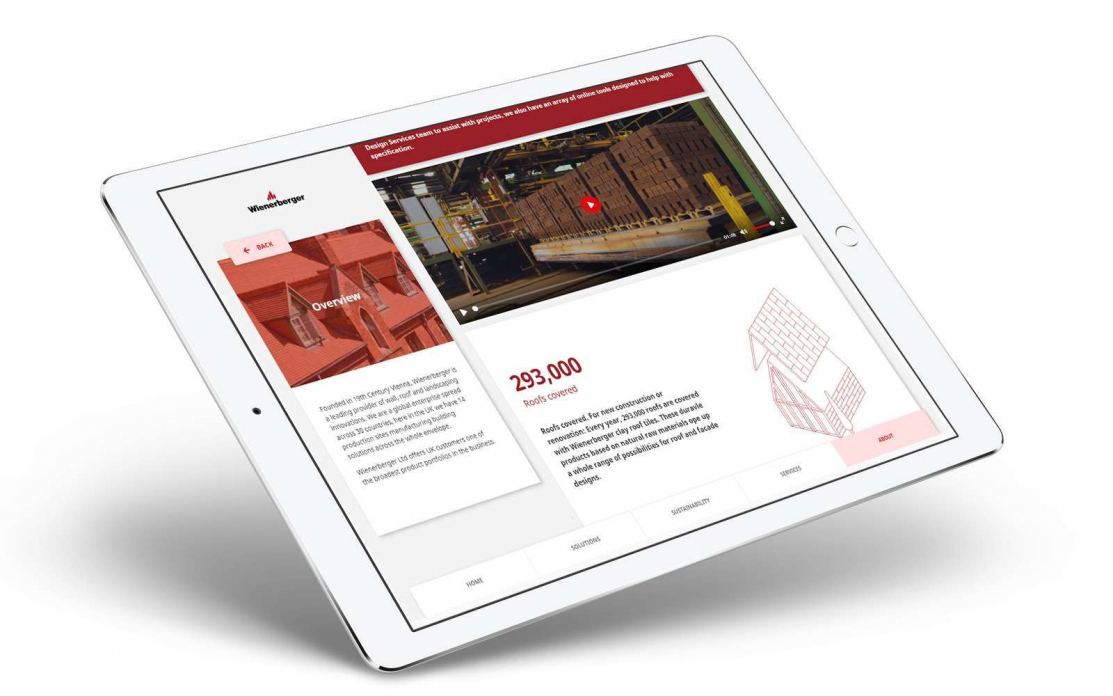
Content Management for Sales Enablement | POPcomms
Read

Interactive Touchscreen Examples | POPcomms
Read
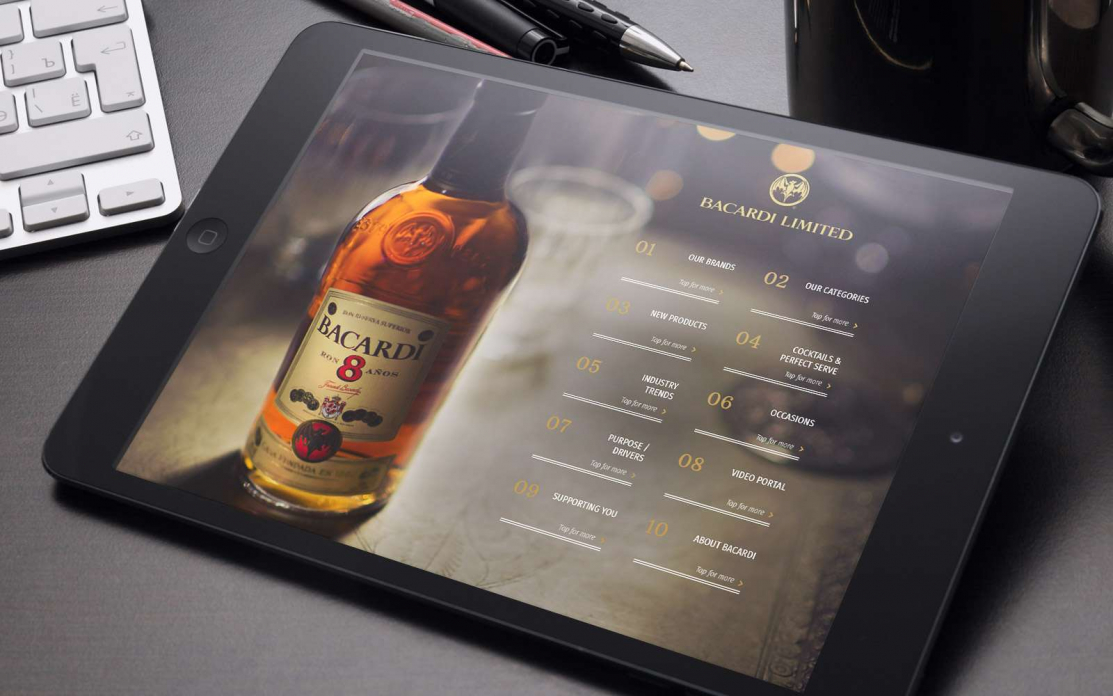
Why Your Sales Enablement Strategy Should be Constantly Evolving
Read