




Turn Complex B2B Selling Into Confident Buying
Buyer enablement software helps buying teams understand complex solutions so they can make decisions with confidence. If you sell into industrial, healthcare or technology markets, you already feel the pressure, with more stakeholders, tighter budgets and more scrutiny on every choice.
Buyers often want to move forward but get stuck. They struggle with long slide decks, technical language and mixed messages from different people. The value is there, but it is hard to see and even harder to share inside their own organisation. That is where buyer enablement software comes in, giving you one clear, interactive space that makes hard topics simple.
Right now is a good time to think ahead. As sales and marketing teams plan for new targets and budgets, they need tools that work the way buying groups actually work, not the way old sales processes were set up. That means moving from static content to guided experiences that support confident buying, not just confident selling.
What Buyer Enablement Software Actually Does
Buyer enablement software is a digital platform that pulls your content, tools and data into one guided experience for the whole buying group. Instead of buyers digging through emails and downloads, they get a clear path that helps them research, compare and justify their choice.
It is different from classic sales enablement or a shared drive because it is built around buyer behaviour. It supports how people:
- Search for answers to specific problems
- Compare options side by side
- Share information with colleagues who have very different priorities
- Build a business case for final approval
Key capabilities often include:
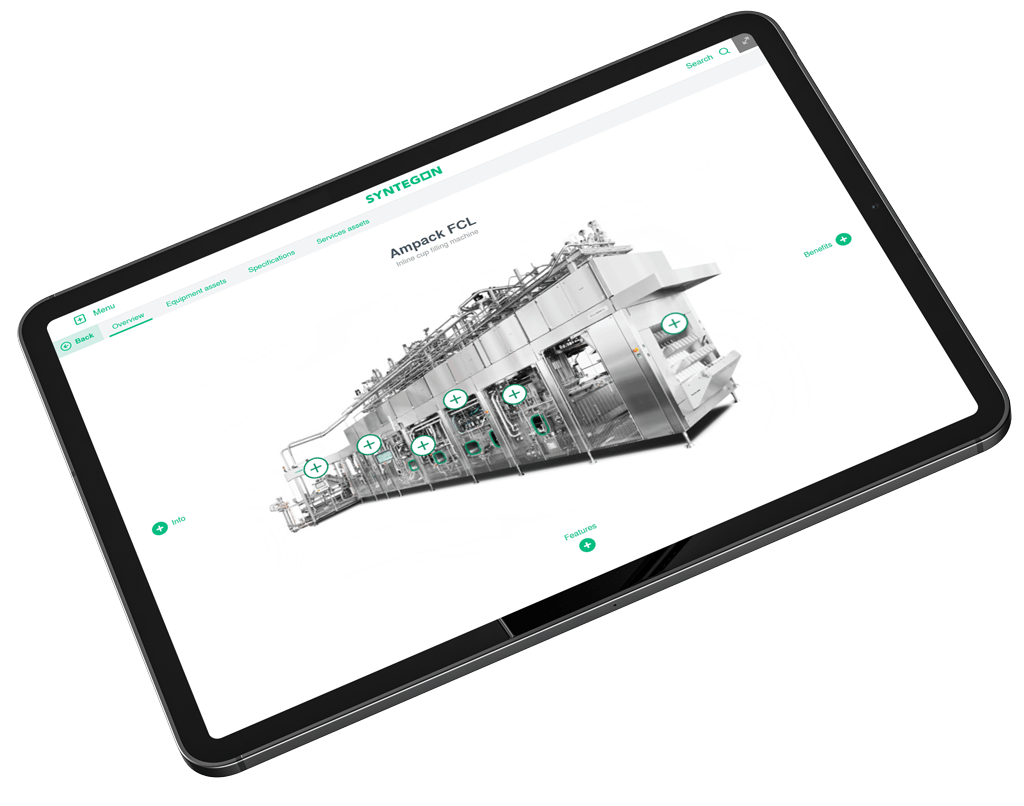
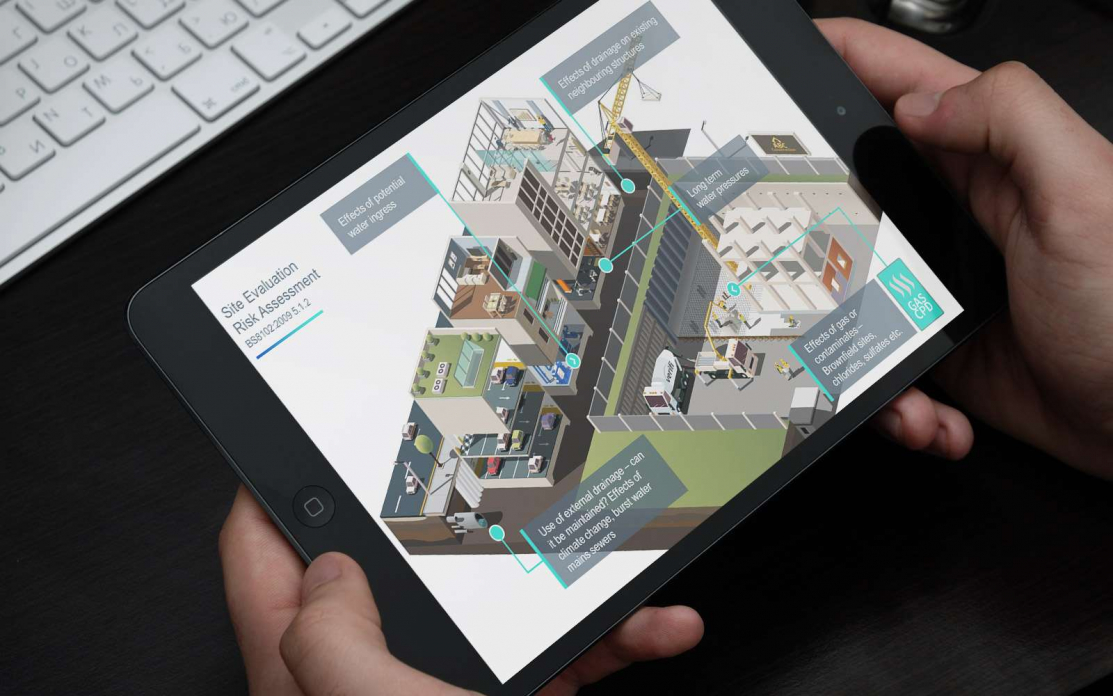
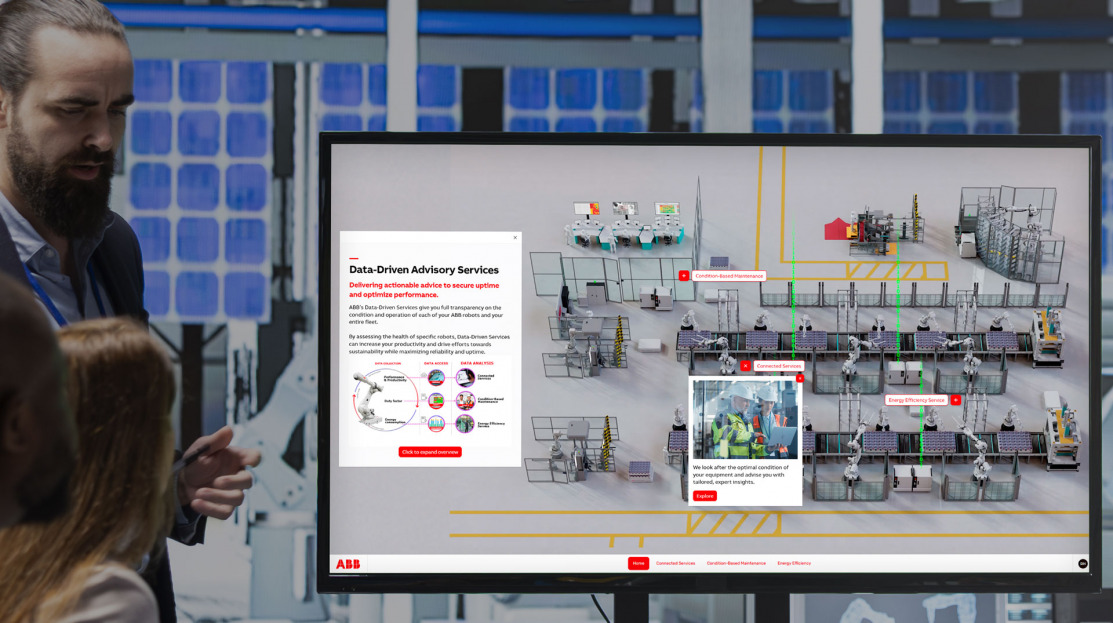
- Interactive demos or visual maps of complex solutions
- Guided paths based on use case, site, plant or clinical setting
- Personalised spaces for each account, so content feels relevant and focused
At POPcomms, we care most about turning complex solutions into clear, visual stories. When several stakeholders can explore a solution at their own pace, clicking into the level of detail they need, they move from confusion to clarity much faster.
Solving the Messy Reality of Complex B2B Buying
Industrial, healthcare and technology sales are rarely neat. Buying cycles are long, there is deep technical detail, strict compliance rules and a mix of technical and non-technical decision makers. In a single deal, you might speak with engineers, clinical leads, operations managers, procurement and finance.
This messy reality creates common problems:
- Content scattered across email threads and local folders
- Different versions of specs and pricing in circulation
- Non-technical leaders lost in jargon-heavy decks
- Slow internal reviews because nobody feels fully informed
Buyer enablement software gives everyone one trusted place to work from. A buyer workspace can hold:
- Technical specs and integration details
- ROI models and total cost of ownership views
- Case studies and reference content
- Regulatory and safety information
- Product roadmaps and support details
Each role can follow a tailored path. For example, technical teams can dig into integrations and data security, while finance focuses on ROI and risk, and operational leaders look at workflows and training. Everyone sees the same core story, but at the right level for them.
This cuts back-and-forth emails, avoids confusion over old versions and helps the whole committee line up around a shared picture of value. Deals do not just move faster, they feel calmer and more in control on both sides.
Turning Content Into a Guided Buyer Experience
Many teams still lean on static brochures, long PDFs and generic slide decks. These can feel heavy and hard to follow, especially when buyers open them on a tablet at home or on a small laptop on a dull rainy day.
Buyer enablement platforms help sales teams turn that same content into dynamic stories. In a live meeting, a seller can build a path on-the-fly, jumping from a high-level overview into:
- A visual of how the solution fits into the buyer’s plant or clinical setting
- A short animation that explains a tricky concept
- A simple comparison of options that avoids technical overload
After the meeting, the buyer gets a persistent digital workspace. They can return to what they saw, share it with colleagues, and explore new sections at their own pace.
Unified content control is a big part of this. Marketing and product teams keep one master version of key content, pricing messages and technical documents, rolled out across regions and partner networks. Sellers do not need to worry if a diagram is out of date.
Analytics then show which content is viewed, shared and revisited. That insight is gold for planning, as you can see what really helps deals move forward and what gets ignored.
Proving Value with Data and Buyer Insights
Buyer enablement software does more than present content; it tracks engagement in a meaningful way. You can see:
- Which accounts are active
- Which roles are viewing which sections
- Where people re-watch a demo or spend extra time on a page
- Where interest drops or goes quiet
This helps with forecasting and pipeline reviews. Instead of guessing, sales leaders can see whether a deal is quietly going cold or if a new stakeholder has just become engaged. It gives a much better base for coaching, too, as managers can guide reps to focus on the right gaps in each deal.
Marketing teams also gain clear signals. They can see which stories and assets support real buyer behaviour, where there are gaps in content and how campaigns feed into live opportunities. Over time, this insight shapes better messaging, stronger value propositions and clearer product decisions based on what real buying journeys look like, not just what we expect them to be.
Choosing Buyer Enablement Software That Fits
Not every platform suits complex B2B sales in industrial, healthcare or technology settings. When you compare options, it helps to focus on a few key areas:
- Ease of use for sellers in the field or on the ward
- Flexibility to personalise content by account, site or use case
- Rich interactive capabilities for demos and solution mapping
- Strong content governance so only current information is used
- Analytics detailed enough for sales, marketing and leadership
It is also important to align with your existing tech stack. Smooth connections with CRM, DAM and marketing tools save time and keep data clean. Your IT and security teams will care about access control, data handling and how well the platform fits policy.
For global organisations with multiple regions and partner networks, scalability matters. You want to support different languages, product lines and local compliance rules without losing control of the core story. POPcomms focuses on unified content control, interactive storytelling and analytics designed for these kinds of high-stakes B2B environments, whether you are working from a busy site or a quiet meeting room in the centre of Bristol.
Buyer Enablement Software FAQ
What is buyer enablement software in B2B sales?
Buyer enablement software is a digital platform that helps buying groups understand, compare and justify complex solutions. It combines interactive content, tools and analytics into one experience built around what buyers need to know at each step.
How is buyer enablement different from sales enablement?
Sales enablement focuses on equipping sellers with training and content. Buyer enablement focuses on empowering buyers to self-educate, explore options and build internal agreement. The best results come when both approaches work together.
Who benefits most from buyer enablement software?
Complex B2B organisations in industrial, healthcare and technology sectors usually see the biggest impact, especially where there are long cycles and many stakeholders. Sales, marketing, presales, channel partners and buying committees all gain clarity and structure.
How long does it take to implement a platform?
Timelines vary. A focused pilot for a specific segment or product line can be up and running in a relatively short time. Larger global rollouts with heavy content migration, more integrations and higher personalisation naturally take longer.
How do we measure ROI on buyer enablement?
Common metrics include shorter sales cycles, higher win rates, larger average deal size and stronger engagement from key stakeholders. Many teams also look at softer outcomes such as clearer buyer conversations, fewer stalled deals and more reliable forecasting based on real engagement data from the platform.
Empower Your Buyers And Accelerate Confident Purchase Decisions
See how our buyer enablement software can simplify complex choices for your customers and shorten your sales cycles. At POPcomms, we work with your teams to turn dense product information into clear, interactive experiences that support every stakeholder. If you are ready to explore what this could look like for your organisation, contact us and we will walk you through the next steps.

Related Posts
How Long Does It Take To Develop Interactive Sales Experiences?
Read
What B2B Marketing Challenges Can Interactive Customer Experiences Help You Overcome?
Read
7 Keys to Creating Immersive User Experiences | POPcomms
Read
Educating multiple stakeholders in complex sales
Read