


Industrial sales can feel messy, especially towards the end of the year. Deals slow down, buying groups go quiet, and complex solutions are hard to explain in a short call. Many teams are stuck sending the same static decks and hoping buyers understand everything on their own.
A buyer enablement platform is a practical way to fix that. It gives buyers interactive tools, clear content, and simple ways to compare options without endless meetings. Behind the scenes, it gives your team data on what people look at, share, and ignore. Here, we will walk through how to evaluate a buyer enablement platform for industrial sales, what to focus on before budgets reset, and how to reduce risk when you invest.
Why Industrial Sales Teams Need Buyer Enablement Now
Industrial buyers often do a lot of research alone. They want digital clarity, not vague slides. If they cannot easily understand how a system fits their site, or how it compares with another option, they tend to delay decisions.
Traditional sales decks and PDF catalogues struggle with that. They are:
- Static and hard to update
- Poor at showing system configurations and integrations
- Weak for explaining lifetime value, service models and upgrade paths
A buyer enablement platform supports technical sales, channel partners and distributors with guided conversations that stay consistent across regions. It lets your teams in different countries show the same clear story, whether they are at a trade show, a plant visit or on a remote call.
The end of the year, and the start of a new one, are a good moment to plan. Many teams use this period to choose a platform, prepare content, and then go live in time for major trade shows or strategic account reviews.
Defining Success Before You Evaluate Platforms
Before looking at any platform, it is worth getting clear on what success means for your business. Common goals include:
- Shorter sales cycles for complex solutions
- Higher conversion from first meeting to proposal
- Bigger average order value through better upsell and cross-sell
- Stronger alignment across multi-stakeholder buying groups
Map your industrial buyer journey step by step. For example, think about:
- First discovery conversation
- Technical validation and proof of concept
- Trials or pilots on site
- Compliance and safety checks
- Final commercial and legal negotiations
Then decide who inside your company must be part of the decision. This often includes sales leadership, technical pre-sales, marketing, IT, compliance and sometimes channel management.
It also helps to set clear success metrics and timeframes, such as reducing time from first meeting to technical sign-off by a set amount, or making sure a high share of core content is interactive within a certain period.
Capabilities to Look for in a Buyer Enablement Platform
When you start comparing options, focus on the capabilities that really matter for industrial, healthcare and technology sales.
Interactivity and visualisation
Look for tools that let you:
- Configure complex solutions live with customers
- Show system architectures and data flows
- Run “what if” scenarios with different options
- Compare choices side by side in a clear visual way
Content management
Your teams need a single source of truth. The platform should support technical sheets, pricing models, case studies and demos, with version control and permissions by market, region and sector.
Engagement analytics
You want to see what buying groups:
- View and share
- Revisit between meetings
- Spend time on during key discussions
This helps you spot “aha” moments and see where deals tend to stall.
Seamless selling workflows
The platform should be simple to use:
- On-site with customers
- At trade shows on large touchscreens
- During remote calls
- Offline during factory or hospital visits
It should fit into your existing ways of working, not create new admin.
Evaluating Fit for Complex Industrial Sales Cycles
Next, check how well each platform fits your specific go-to-market approach. Do you sell through direct teams, distributors, integrators or OEM partners? The platform should support co-selling and give everyone in the ecosystem a consistent story.
Customisation and scalability matter too. The platform should be able to reflect your product hierarchy, sector templates, regional standards and regulatory variations without needing constant developer help.
User experience is key. Field sales teams are often not digital specialists. They need:
- An intuitive interface
- Minimal clicks to start a conversation
- Content that is easy to find in front of a customer
Governance and security also need attention. Look for role-based access, strong data protection that fits UK and EU expectations, and analytics tools that meet enterprise IT standards.
Integration, Data Readiness and Running a Pilot
Think carefully about how the platform will sit inside your wider tech stack. It should connect with systems like CRM, marketing automation, CPQ, DAM and product data, so you avoid copying and pasting the same content into multiple places.
Have a clear data strategy. Engagement analytics can help you:
- Qualify opportunities more confidently
- Prioritise accounts and buying groups
- Refine content based on real use, not guesses
In parallel, your IT team will want to review architecture, hosting, SSO, device management and support, especially in strict industrial or healthcare environments.
A meaningful pilot reduces risk. Choose a realistic scope, such as a few priority sectors or flagship product lines, tied to specific outcomes, like faster time to second meeting or better engagement from all stakeholders on a project.
During the pilot, test:
- Live customer interactions
- Remote demos and screen sharing
- Distributor and partner usage
- Offline performance
- How quickly non-technical teams can update content
Use clear evaluation criteria such as adoption rates, feedback from sales and buyers, impact on opportunity progression and clarity of analytics. Refine your content structure, templates and sales playbooks based on what you learn, then expand to more countries and business units.
Frequently Asked Questions About Buyer Enablement Platforms
Q1: How is a buyer enablement platform different from a CRM?
A1: A CRM manages your internal records of customers, contacts and opportunities. A buyer enablement platform focuses on the external experience, with interactive content, guided conversations and analytics on how buying groups engage. The two systems should connect, but they do different jobs.
Q2: Is a buyer enablement platform suitable for small industrial sales teams?
A2: Yes, as long as you sell complex or configurable solutions. Smaller teams often benefit because they can share best-practice conversations, keep messaging consistent and scale expertise without adding more people.
Q3: How long does it typically take to implement a platform?
A3: Timelines vary, but many organisations can launch a focused initial deployment within a few months if content is available and stakeholders are aligned. Wider rollouts can then follow in phases as teams gain confidence.
Q4: What kind of content works best in a buyer enablement platform?
A4: Configurators, visual system maps, process flows, ROI tools, sector-specific use cases and clear comparison views usually work well. Short, modular content is often easier for buyers to use than long static documents.
Q5: How do we measure ROI on a buyer enablement platform?
A5: Useful measures include reduced sales cycle length, higher conversion from first meeting to proposal, increased deal size, better forecast accuracy and stronger engagement from multi-stakeholder buying groups. Over time, you can also track how consistent stories across regions support larger, more profitable deals.
Turn Complex Buying Decisions Into Clear, Confident Choices
If you are ready to make it easier for your customers to understand, compare and commit to your solution, our buyer enablement platform is designed to help. At POPcomms, we work closely with your team to create interactive experiences that support every stage of the buying journey. Share a bit about your goals and challenges and we will show you what is possible. To start a conversation with our team, simply contact us.

Related Posts

What Makes Content Marketing & Sales Enablement the Perfect Fit?
Read
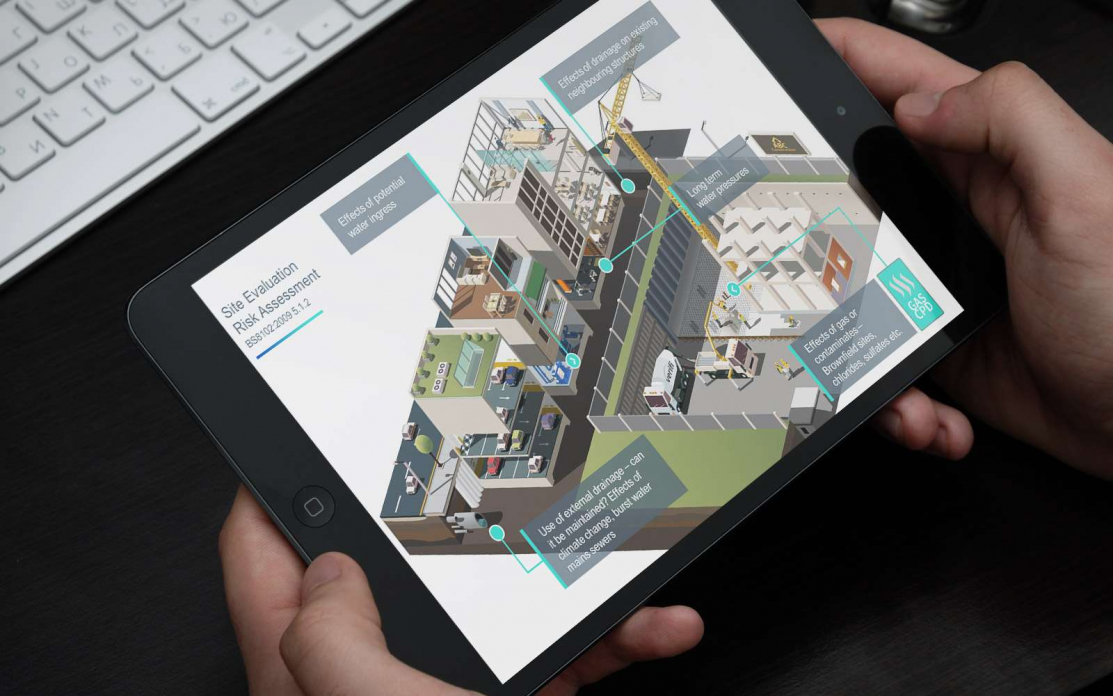
What B2B Marketing Challenges Can Interactive Customer Experiences Help You Overcome?
Read
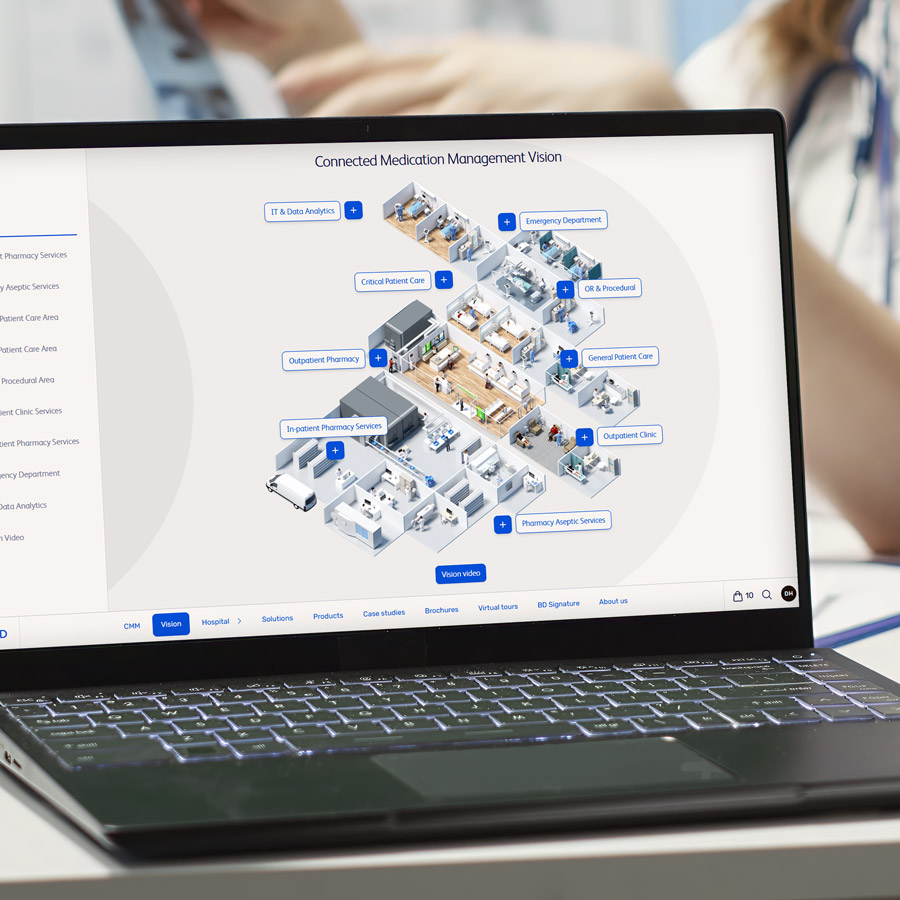
Build Compliant Buyer Enablement Materials in 2026
Read
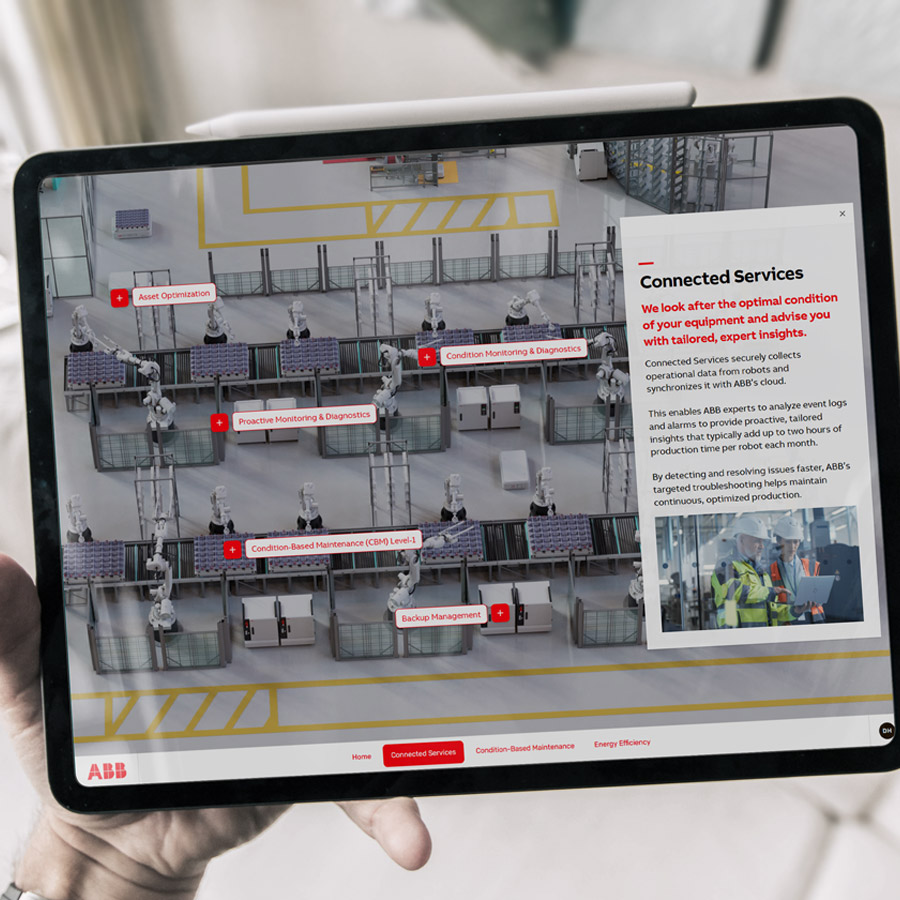
Interactive Buyer Experiences for Industrial Sales: Framework + KPIs
Read