


Turn Dealer Networks Into a Consistent Buying Experience
Dealer networks can give manufacturers broad reach, but every dealer interaction shapes how buyers see your brand. We often see dealers asked to guide detailed conversations with little more than product brochures, price lists, and scattered files. That is not enough when buyers need help comparing options, understanding applications, and getting internal approval.
When communications vary from one dealer location to the next, the buyer experience can feel uneven. One team may share current specifications, while another sends an old presentation after a meeting. Different product details or slow follow-up can weaken confidence and leave buyers questioning the manufacturer’s expertise.
Buyers also do more research before speaking with a sales representative. They involve technical users, finance teams, operations leaders, and other stakeholders. We recommend giving dealer teams simple ways to share relevant information for each stage, rather than expecting them to build every customer conversation from scratch.
November is a useful time to review this process. As you prepare annual budgets, sales targets, dealer training, and campaign plans for the coming year, you can examine whether your content and engagement data truly support channel growth.
Expose the Gaps That Slow Complex Dealer Sales
Many dealer enablement problems begin with disconnected systems. Marketing may create strong product materials, yet dealers still struggle to find, tailor, and share approved assets at the right moment.
Content is often spread across shared drives, inboxes, portals, and local dealer systems. When a dealer cannot quickly locate the latest application guide or case study, they may reuse an older file or create something unapproved. That creates extra work for everyone and can put inaccurate information in front of buyers.
Common gaps include:
- Product specifications stored in several places
- Campaign materials that are hard to find after launch
- Local presentations that do not match approved messaging
- Limited visibility into what buyers actually engage with
Dealer networks do need room to speak to local industries, territories, and account needs. Still, each conversation should reflect clear product positioning and accurate manufacturer information. A manufacturing sales enablement platform can close that gap by giving dealers one organized place to access current content and build buyer-ready experiences without adding unnecessary work for channel managers.
Unify Content Around Every Dealer Conversation
Centralized content does not mean forcing every dealer into the same script. Instead, we recommend organizing resources around the questions buyers ask and the conversations dealers need to lead.
A useful library may include:
- Product sheets, technical specifications, and pricing resources
- Use cases, implementation guides, and customer proof points
- Training materials and videos for dealer learning
- Presentations and follow-up resources for buyer meetings
The right materials should be easy to find by product, industry, operating challenge, or buyer stage. A dealer selling into a healthcare facility may need different proof points than one speaking with an industrial operation, even when the core product message remains the same.
Personalization makes that possible. Dealers can tailor a presentation or digital experience around a customer’s facility type, product configuration, business challenge, or buying committee. Meanwhile, marketing and channel leaders can maintain control over core messaging, product facts, and visual standards.
Version control matters just as much. In technical manufacturing, healthcare, and technology settings, outdated information can cause confusion fast. Central management helps us make updates once, instead of relying on manual email distribution and hoping every dealer replaces old files.
Choose and Measure the Right Platform
A content repository alone will not solve dealer enablement. When evaluating a manufacturing sales enablement platform, we suggest focusing on how well it supports real buyer conversations.
Dealer teams should be able to assemble approved resources into interactive, personalized digital spaces for meetings, follow-up communications, account planning, and longer sales cycles. Marketing teams should also be able to manage libraries, update assets, control access, and support internal sellers, dealers, distributors, and channel partners from one place.
Engagement insights are another important factor. We need to know more than whether a file was downloaded or an email was opened. Useful reporting can show which content buyers and dealers view, how long they engage, where interest is strongest, and which topics bring people back.
Those signals can support better dealer coaching. Channel managers can use them to discuss what is working in a territory, spot product knowledge gaps, and recommend resources for an upcoming customer conversation. During annual planning, engagement trends can also guide decisions about which assets to refresh, which dealer groups need more support, and which buyer segments need more focused campaigns.
Common Dealer Network Enablement Questions
What Is Manufacturing Sales Enablement?
Manufacturing sales enablement is the process of equipping internal sellers, dealers, and distributors with the content, tools, training, and insights needed to guide buyers through complex product decisions.
Why Do Dealer Networks Need Centralized Content?
Centralized content helps dealers find current, approved materials without searching across disconnected systems. It also supports brand consistency and reduces the risk of outdated product information reaching buyers.
How Can Dealers Personalize Content Without Losing Brand Control?
Dealers can work from approved templates and content libraries while tailoring experiences for industries, accounts, and buyer needs. Marketing retains control of core messaging, product information, and visual standards.
What Engagement Metrics Matter Most For Dealer Enablement?
We recommend tracking content views, time spent engaging, return visits, shared content, interest by topic, and engagement by dealer or account. These measures can reveal which resources support active opportunities.
When Should Manufacturers Review Their Enablement Strategy?
Review your approach before annual planning, major product launches, dealer meetings, and campaign rollouts. November can be a practical time to identify improvements before new channel goals take effect.
Give Every Dealer a Clearer Next Step
Dealer enablement is not about sending more assets into the channel. It is about helping every dealer find, personalize, and share the right information quickly, while giving manufacturers a clearer view of what moves buyer interest forward.
Start by reviewing a high-priority dealer group, strategic product line, or upcoming campaign. This focused approach can show where content is hard to access, where messaging needs guardrails, and where engagement insights can lead to stronger dealer readiness.
Give Every Dealer Clear, Timely Direction
At POPcomms, we help manufacturers deliver consistent content, guidance, and updates across complex dealer networks. Explore our manufacturing sales enablement platform to see how your teams can make essential resources easier to find and use. When you are ready to discuss your distribution goals, contact us for a practical conversation about your needs.

Related Posts
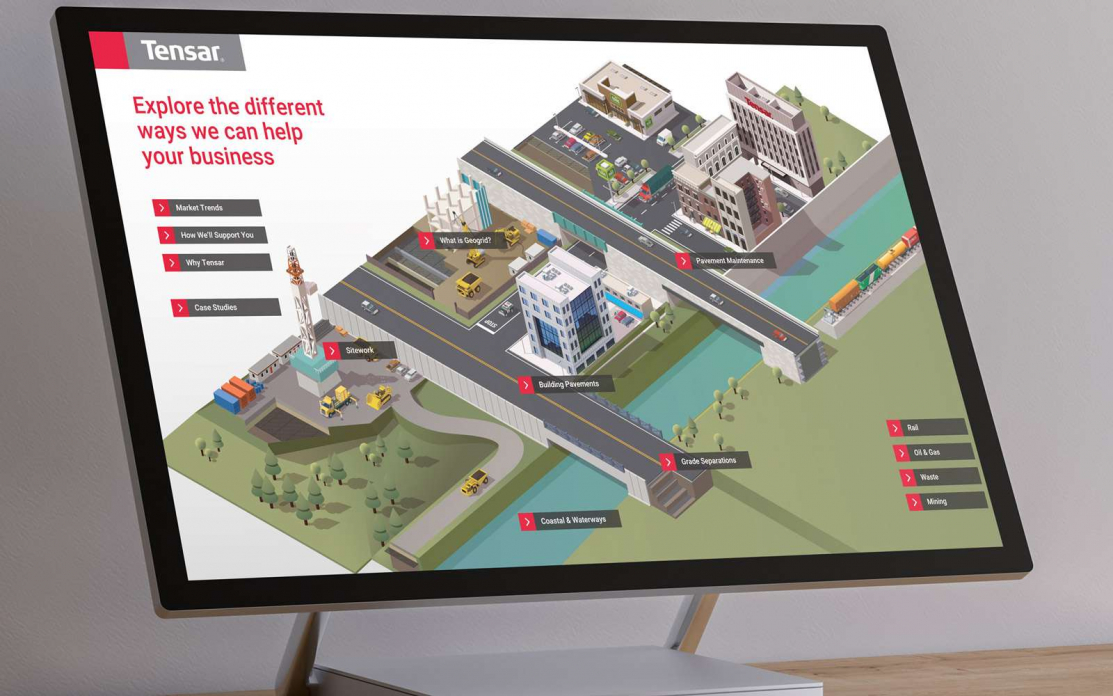
How to Impress Customers With a World Class Sales Enablement Tool
Read
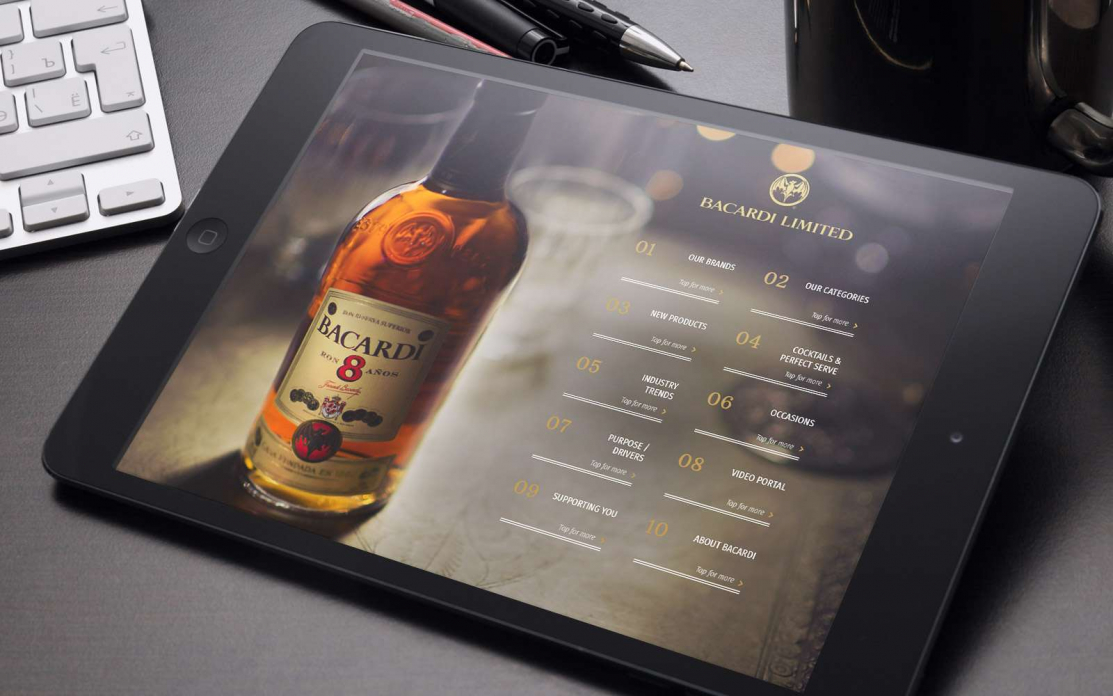
Why Your Sales Enablement Strategy Should be Constantly Evolving
Read
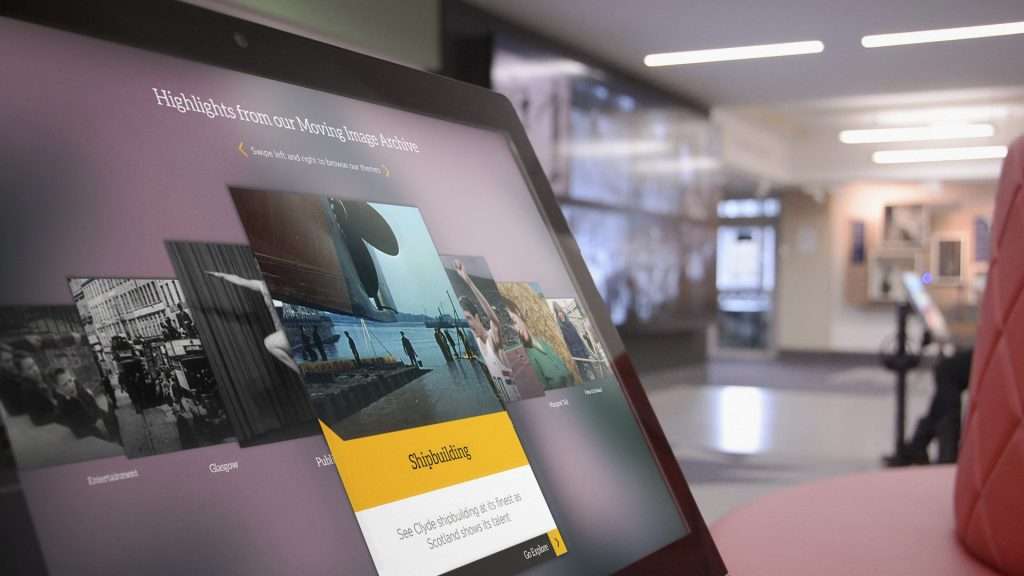
How POP’s Platform Can Help with Revenue Enablement
Read
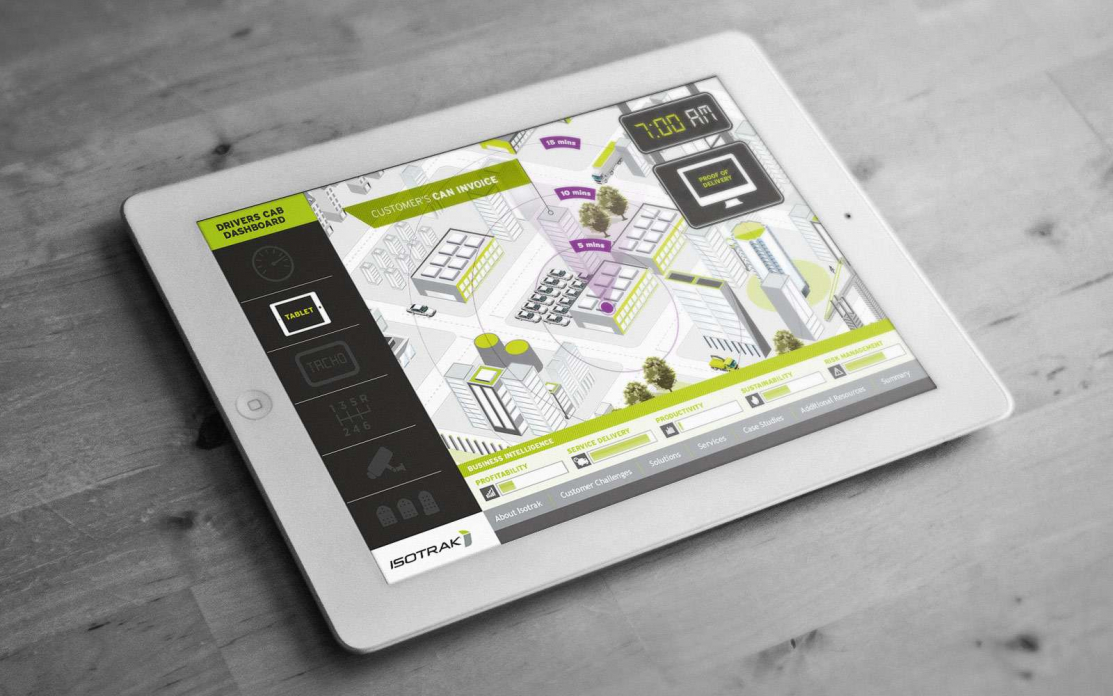
A Simple Visual Storytelling Technique to Bring your Presentations to Life
Read