




Business development in complex B2B is getting harder, not easier. Buying committees are bigger, budgets are checked again and again, and hybrid selling is now the norm. If your software for business development still treats everything like a simple lead capture form, it is slowing you down.
Here we will walk through how to turn your next RFP into a real engine for growth. We will cover the right requirements, how to build a fair scoring matrix, and how to plan a pilot that proves value across BDR, SDR, and AE teams. This is the lens we use at POPcomms, where we focus on data-driven, interactive buyer experiences that sit across marketing, business development and sales.
Start with Your Real Buying Journey
Before you write a single RFP question, map how your customers actually buy. In industrial, healthcare and technology, deals move through long stages, with technical checks, safety reviews, IT sign-off and procurement. If the platform cannot support that flow, no feature list will save it.
Make sure you map key workflows such as:
- Inbound qualification from marketing
- Outbound prospecting into target accounts
- Account development and expansion conversations
- Partner referrals and channel involvement
- Events and trade shows
- Self-serve digital research and content engagement
Do not forget the handoffs. Write down what needs to move across when:
- Marketing to BDR or SDR
- BDR or SDR to AE
- AE to sales engineering or technical teams
- AE to customer success for onboarding
- Renewal and expansion cycles back to account teams
Try to align this work with your second half planning and budget chats. That way your RFP, pilot window and roll out plan can land in a calmer period, not at the end of quarter rush.
Core Requirements for Modern BD Platform Software
Once the buying journey is clear, you can turn it into real requirements for software for business development.
On the functional side, think about:
- BDR or SDR workflows, such as task queues, call logging, cadences for email, phone, social and events, and prompts that respect long B2B cycles
- Intelligent routing by territory, industry, account tier, buying stage, installed base and partner involvement, with both round-robin and skills-based options
- Data capture from forms, event badge scans, content clicks and meeting notes, all feeding one buyer and account record, even for complex solution sets
- Handoff to AEs with shared workspaces, clear opportunity timelines, structured discovery notes and clear SLA rules inside the tool
On the technical and integration side, check that the platform can:
- Connect cleanly to your CRM, marketing automation, CPQ, customer data tools and any interactive content or demo platforms such as buyer enablement tools
- Support data quality, governance and security needs for regulated sectors like healthcare and industrial, with audit trails and role-based access
- Offer low-code workflows, templates and admin controls so sales operations can change things without full IT projects
For experience and enablement, look for:
- Simple, clear interfaces that support BDRs and SDRs who are working fast and often on mobile.
- Context-aware tips, so the system guides the next-best step rather than dropping long menus on users
- Strong support for interactive, data-driven buyer content so teams can walk a buying committee through complex stories in a clear way
Turn Real Workflows Into Your RFP and Scoring Matrix
Now bring those workflows straight into your RFP. Avoid vague questions. Ask vendors to show:
- How a trade show lead is captured, routed, worked by a BDR, then handed to an AE
- What a BDR dashboard looks like on a busy Monday morning
- How an AE sees account history, intent signals and previous content engagement
Include questions about how the platform lines up with:
- Current marketing campaigns
- Account-based programmes
- Channel or partner motions
Do not forget non-functional areas. Ask about:
- Implementation steps and who does what
- Change management and training plans for BDRs, SDRs and AEs
- Support SLAs, uptime, data residency, and roadmap visibility
- Proof of ROI in complex B2B, such as time to first value and adoption trends
When you score, break things into clear groups: functionality, integrations, user experience, analytics, security and compliance, implementation and support, and commercial fit. Give higher weight to areas that match your current strategy, such as routing or productivity for growing teams. Add a small score for innovation and roadmap, including support for interactive buyer enablement.
Make criteria easy to observe, for example:
- Can a BDR start a multichannel sequence from the buyer record in three clicks or less?
- Is routing set up with a clear, no-code interface?
Insist on live demos of three to five key scenarios and score how simple they feel, not just whether the feature exists.
Design a Pilot That Proves Real Value
A smart pilot gives you proof before a big rollout. Set scope around:
- One or two regions
- A handful of industry verticals
- A mix of new business and expansion accounts
Pick outcomes that matter, such as:
- Conversion from marketing qualified lead to first meeting
- Speed to first touch by a BDR or SDR
- Opportunity acceptance rates from AE teams
- Pipeline created in the pilot group
Track adoption too, like daily active users, task completion and quick feedback from BDRs, SDRs and AEs.
A typical pilot might run over eight to twelve weeks, with:
- Discovery and detailed design
- Configuration and data checks
- Role-based enablement sessions
- Live run with weekly stand-ups
- Tuning of routing rules and forms
- Final review and recommendation
Compare the pilot group with a control group using old tools. Note what worked, what was missing and where extra development is needed, then feed that into your contracts and rollout plan. You can then scale by region, product line or partner channel, timed with your yearly planning cycle.
At POPcomms, based in the UK, we see the best results when teams treat the RFP, scoring matrix and pilot as one joined-up exercise. Instead of a tech shopping list, you get a clear, shared view of how software for business development should support real people, real deals and complex buyers across industrial, healthcare and technology markets.
Frequently Asked Questions on BD Platform RFPs
Q: How is business development software different from a CRM in complex B2B?
A: A CRM is mainly a system of record. Software for business development runs the daily work: prospecting, sequences, routing, content sharing and meeting follow-up. It usually sits between marketing automation and CRM, focused on workflows and enablement.
Q: What time frame should we plan for an RFP and pilot?
A: Many teams plan four to six weeks for journey mapping and RFP creation, four to six weeks for responses and demos, then another eight to twelve weeks for a pilot. Align this with quieter sales periods so people have time to join sessions.
Q: How many vendors should we include in our shortlist?
A: Often it works well to start with a longlist of six to eight vendors, then narrow down to three or four for deep evaluation and pilots. That keeps the process fair without overloading your teams.
Q: How do we make sure BDRs and AEs actually adopt the new platform?
A: Involve them early in mapping workflows and scoring vendors. Co-design views and fields, offer role-specific training, and link usage to coaching, not just reports. Adoption improves when people feel they helped shape the tool.
Q: What budget range should we expect for a modern BD platform?
A: The range depends on user numbers, modules, integrations and support needs. Many teams work with vendors on phased roll outs or pilot credits, then scale once the value is clear.
Transform Your Business Development With Bespoke Interactive Software
If you are ready to make your client conversations more engaging and focused, explore our tailored software for business development to see what is possible. At POPcomms, we work closely with your teams to turn complex propositions into clear, interactive stories that win buy-in faster. Share a bit about your project and goals and we will recommend the most effective route forward, from concept to delivery. If you would like to discuss specific requirements or timelines, simply contact us and we will be in touch.

Related Posts
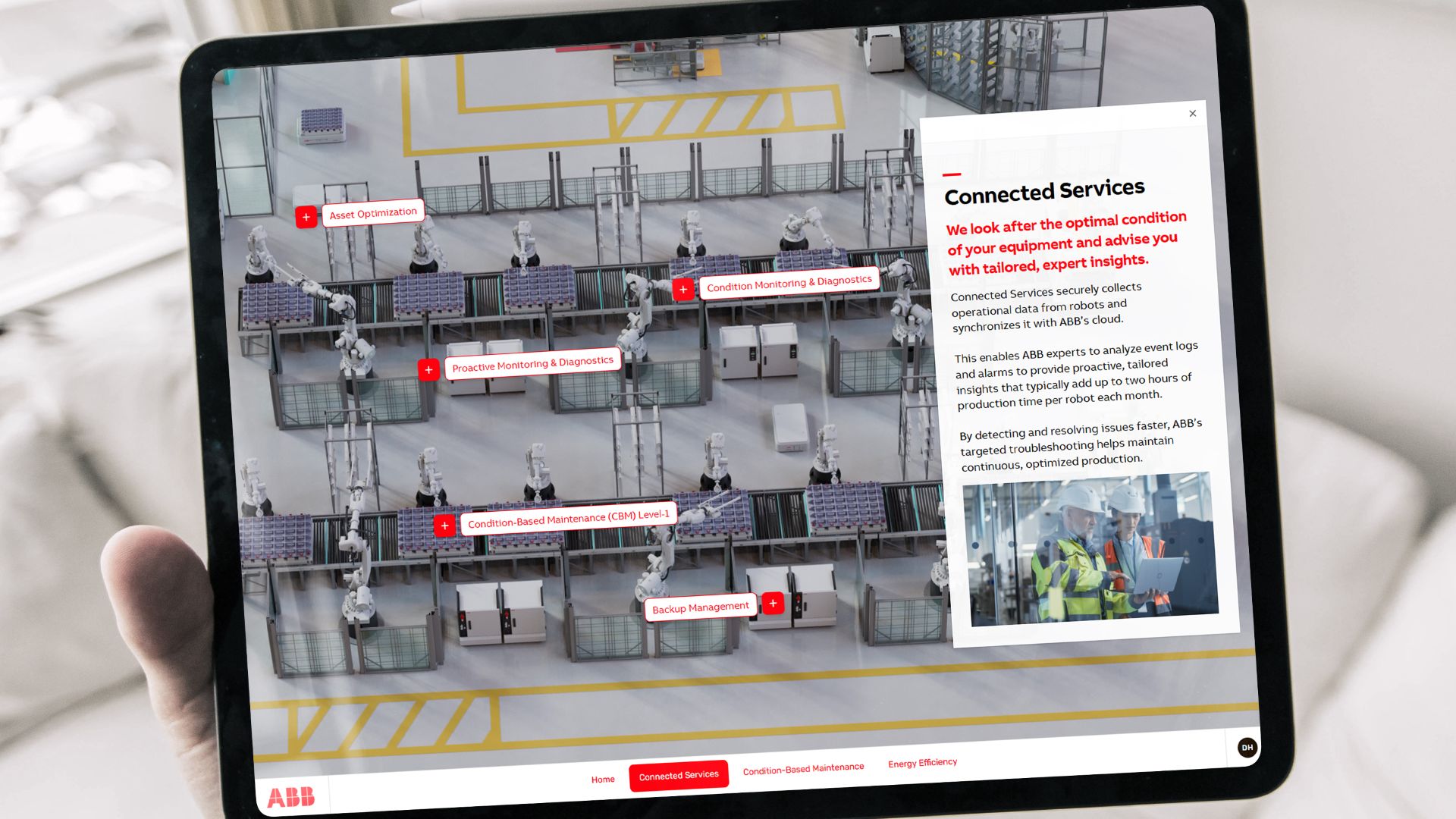
Integrating CRM, Sales Engagement, Intent Data, and Enablement for B2B
Read

Choosing Interactive Presentation Software for Complex B2B Sales
Read

Audit Playbook: Validate Engagement Tracking Across Buyer Microsites
Read
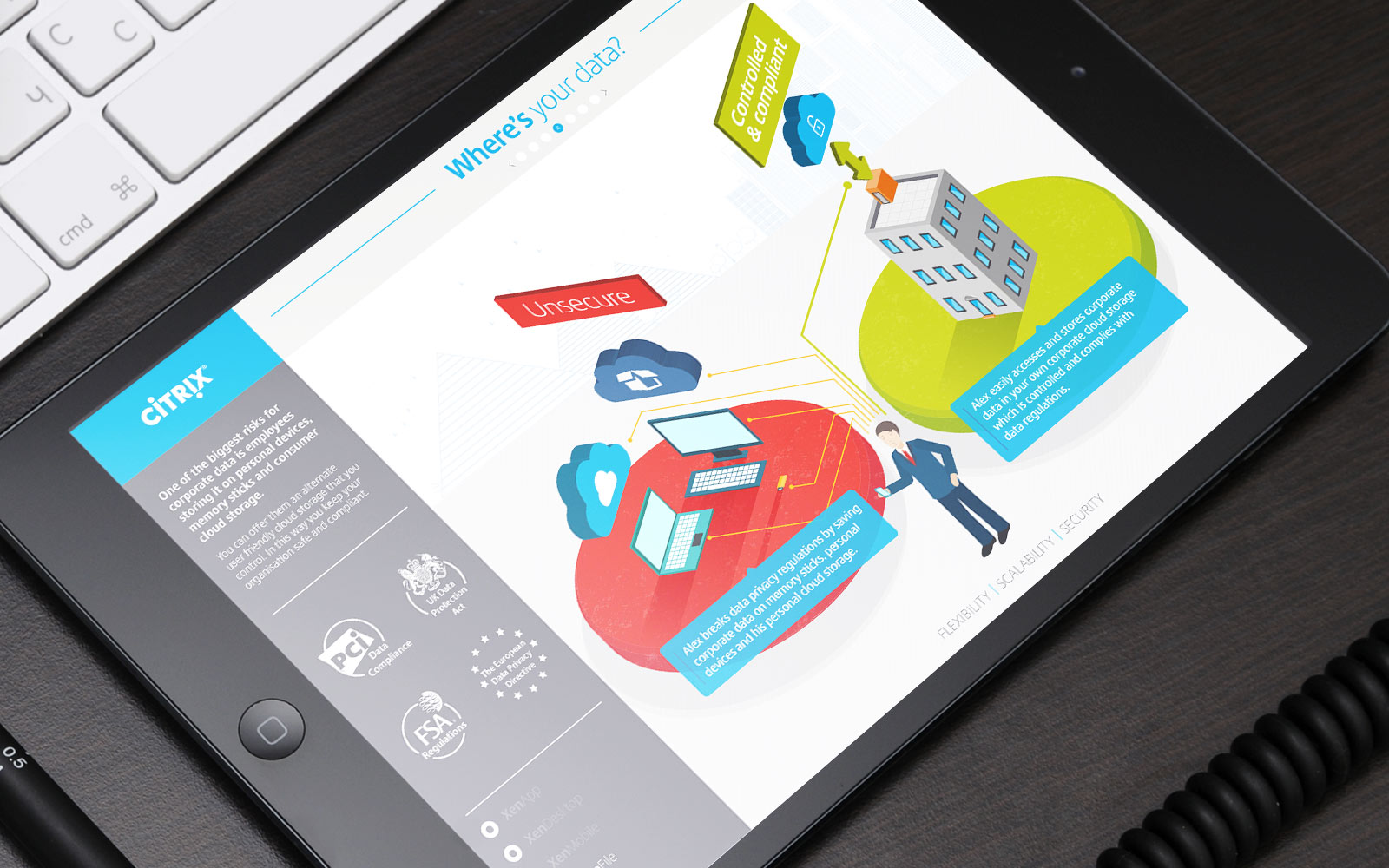
Guided Product Tour Builders for B2B
Read