




B2B buying for complex solutions has not gotten easier. Buying groups are larger, more cautious, and under pressure to prove every decision is safe and smart. When you sell industrial systems, healthcare solutions, or advanced technology, the result is slow deals, endless meetings, and lots of second-guessing.
Buyer experience software gives both sides a clearer path. It turns your offerings into guided, interactive digital experiences that help buyers understand, compare, and justify decisions together. In this article, we will walk through a full scorecard to evaluate buyer experience software, build an ROI model, and design a pilot that proves value without slowing deals.
Turn Buyer Experience Software Evaluation Into a Strategic Advantage
Buyer experience software is not just another sales tool. It is the digital place where your buyers explore solutions with your sales team and with each other. It matters most when:
- Your solutions are complex or modular
- Multiple functions need to agree, like IT, clinical, operations, and finance
- Risk and compliance worries stall decisions
A clear scorecard helps you:
- Align all stakeholders on what good looks like
- Reduce risk by making requirements and measures explicit
- Pick a platform that supports buyer enablement and insight-rich digital sales experiences
Map Your Complex B2B Buying Journey Before You Shop
Before you look at vendors, map how your buyers actually buy today. In industrial, healthcare, and advanced tech, the buying group usually includes:
- Sales and marketing leaders
- Product and engineering
- IT and data security
- Compliance and regulatory
- Finance and procurement
- End users or clinical staff
Write down the friction points, such as:
- Content spread across drives, portals, and inboxes
- Different teams telling slightly different stories
- Long decision cycles with repeat meetings
- Little visibility into who engaged with what content
Turn those pains into high-level goals for buyer experience software, for example: clearer complex offerings, interactive demos, guided solution mapping, better analytics, and integration with your CRM.
Scorecard Core Requirements for Buyer Experience Software
Now translate those goals into concrete scorecard sections.
Content and experience capabilities should include:
- Interactive demos and visual stories
- Guided selling paths for different buyer roles
- Support for complex solution configuration and comparison
Data, analytics, and insights should cover:
- Engagement tracking at contact and account level
- Clear views of which content influences real deals
- Integrations with CRM and marketing tools for full-funnel visibility
Governance, security, and scalability matter, especially in industrial and healthcare settings: role-based access, content governance, security standards, support for global teams, and localization. The platform should also fit your world: offline use on secure or low-connectivity networks, regulatory content flags, and support for long, technical documentation.
Evaluating Vendor Fit Across People, Process, and Tech
Buyer experience software is not just technology, it is people and process too.
Vendor fit questions:
- Do they already work with complex B2B companies?
- Do they understand channels, distributors, and partners?
- Can they show real examples in similar sectors?
Implementation and adoption:
- How do they onboard mixed teams like sales, marketing, product, and specialists?
- Do they help with change management and content planning?
- How do they support content operations over time?
Technical fit:
- Does the architecture align with your IT standards?
- Are integrations and data models compatible with your stack?
- What do support and SLAs look like?
Build a Practical ROI Model and Pilot That Proves Value
A simple ROI model for buyer experience software should cover three buckets.
Revenue impact:
- Shorter sales cycles
- Higher win rates
- Larger deal sizes and better cross-sell or upsell
Efficiency gains:
- Less time spent building one-off decks
- Fewer custom demos built from scratch
- Faster onboarding of new reps and specialists
Risk reduction and compliance:
- Fewer errors in specs and proposals
- More consistent regulatory content in healthcare
- Less reliance on tribal knowledge stuck in a few experts
Build a framework with baseline metrics, target improvements, and a payback period that lines up with your fiscal planning.
Then design a pilot that proves value without slowing sales. Keep the scope contained but meaningful. For example, focus on:
- A few priority segments or product lines
- A set of strategic accounts in one region
- A mix of industrial, healthcare, or advanced tech accounts where deals tend to stall
Set clear pilot KPIs: engagement depth, stakeholder coverage, sales cycle time, discovery quality, and proposal accuracy. Include control groups and keep the sales process as consistent as you can. Around mid-year, keep summer vacations, trade shows, and busy buying committees in mind when reading the data.
Pilot Success Metrics, Long-Term Roadmap, and FAQ
Pilot success should blend numbers and feedback. Quantitative metrics might include:
- Active users among sellers and specialists
- Engagement per opportunity, such as views and interactions
- Influenced pipeline and conversion from first meeting to proposal and close
Qualitative insights:
- Seller confidence when explaining complex solutions
- Buyer comments on clarity, interactivity, and ease of sharing
- Alignment among internal teams on the story and solution map
Turn results into a structured scorecard by weighting usability, impact, analytics, and technical fit to match your priorities. From there, decide if you scale, adjust requirements, or rethink vendors.
To keep everyone aligned, create a cross-functional evaluation group with sales, marketing, enablement, product, IT, and, when needed, compliance. Use the scorecard to shape a roadmap: first quick wins, then deeper integrations, then advanced personalization and analytics. Set up simple governance rituals and content refresh cycles so your buyer experience software keeps pace with your strategy.
At POPcomms, we focus on helping industrial, healthcare, and advanced technology teams turn complex offerings into clear, interactive digital experiences with deep engagement insight. The right buyer experience software, backed by a thoughtful scorecard, ROI model, and pilot plan, becomes a steady asset for every buying group you work with, whether they are down the road or across the world.
Frequently Asked Questions About Buyer Experience Software
Q1: How is buyer experience software different from traditional sales enablement tools?
A1: Buyer experience software focuses on what the buyer actually sees and interacts with during the sales process. Traditional sales enablement tools are more about internal content storage and training for sellers. The best buyer experience platforms connect both sides, giving sellers a shared space to guide conversations and giving marketers detailed insight into how buyers engage.
Q2: What are realistic timelines to evaluate and implement buyer experience software?
A2: Many teams plan for a few weeks to define needs and evaluate vendors, then another few weeks for a focused pilot, followed by a staged rollout. Timelines can stretch if deals are very complex or IT reviews take longer. It also helps to plan around mid-year budgeting, summer holidays, and major industry events so key people are actually available.
Q3: How can we compare vendors that all claim similar capabilities?
A3: A weighted scorecard is your friend. Decide your must-haves and nice-to-haves based on your own buying journey, then score each vendor against those points. You can also ask for request-for-proof sessions, where vendors build real examples using your content and show how analytics and integrations would work.
Q4: What data do we need to build a credible ROI case for buyer experience software?
A4: Helpful inputs include your current sales cycle length, win rates, average deal size, time reps spend preparing decks and demos, content production effort, and error or rework rates in proposals. If some numbers are missing, you can start with estimates or use pilot benchmarks as a first pass, then refine as you gather more data.
Q5: How do we drive adoption among skeptical sales teams?
A5: Involve top performers early and let them help shape how the tool is used in real deals. Focus training on live opportunities, not theory. Provide simple playbooks and quick reference guides, and give ongoing support during the first couple of quarters so sellers see wins in their own pipeline, not just in a slide.
Transform Your Buyer Conversations Into Lasting Partnerships
If you are ready to give your customers a clearer, more engaging way to explore your solutions, our buyer experience software is built to help you do exactly that. At POPcomms, we work with your team to turn complex propositions into guided, interactive journeys that support every stage of the buying process.
Share a few details about your goals and challenges and we will recommend a tailored approach that fits your sales environment. Have questions or want to talk through an idea before you commit? Just contact us and we will walk you through the options.

Related Posts
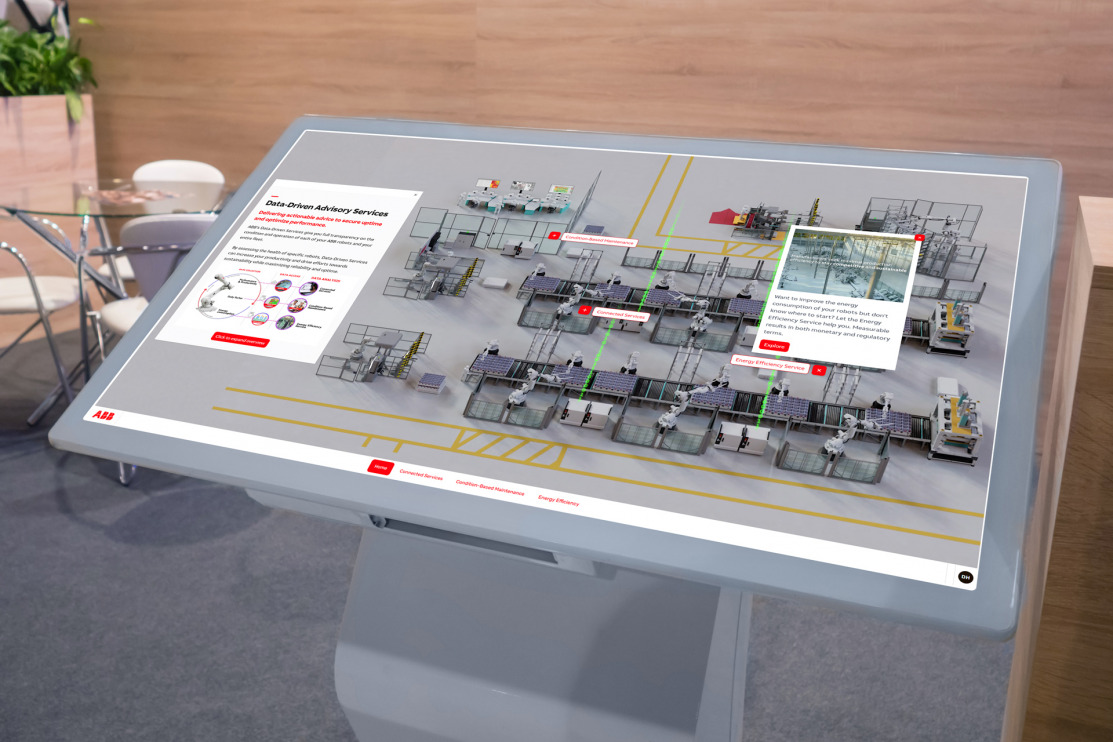
Contactless Touchscreen Technology Software for 2026
Read
Create Touchscreen Presentations for Trade Shows
Read
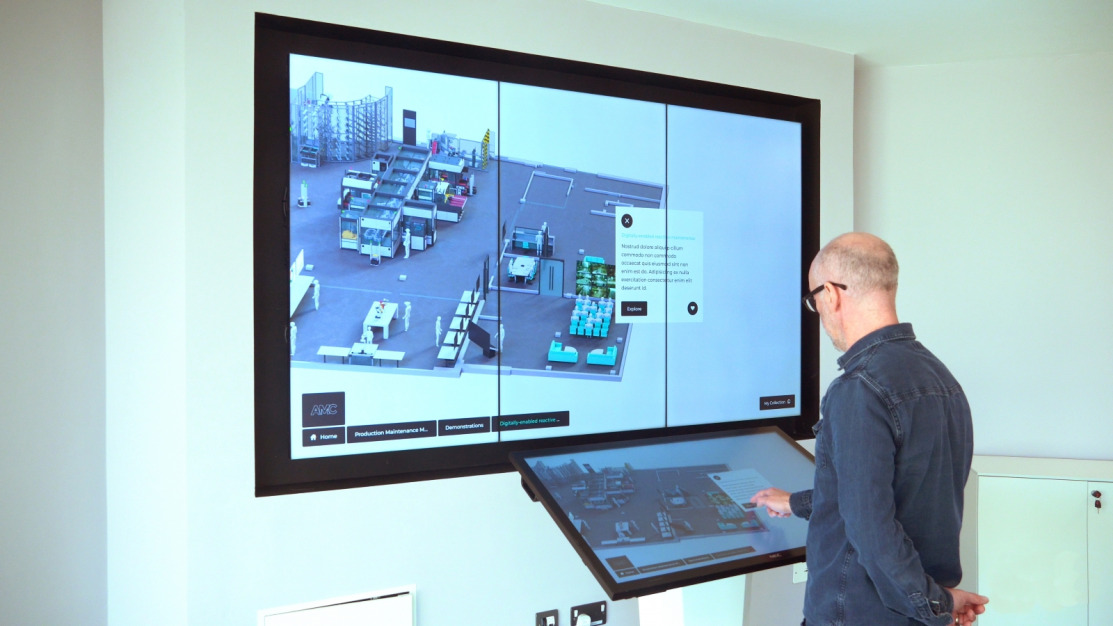
Touchscreen Technology Boosts Booth Engagement
Read
B2B Touchscreen Software Solutions for 2026
Read