



With budgets resetting and new projects competing for attention, complex B2B deals face extra scrutiny. Leaders look for choices they can clearly explain and defend to finance, IT, and operations. Without that confidence, even strong solutions can stall.
In industrial, healthcare, and advanced technology sales, stalled deals often have nothing to do with product fit. Buyers simply do not feel ready to explain and defend the decision.
This article explains why deals stall, how to spot early warning signs, and how a buyer enablement platform can help turn stalled deals into confident, timely decisions.
Turn Stalled Deals Into Confident Buying Decisions
Complex solutions can seem risky. As technical details, regulations, and moving parts increase, buyers worry about missing something important. When that happens, they often choose to delay.
In many sales cycles, your champion actually likes your solution, but they are not sure how to:
- Translate it into business impact
- Answer hard questions from leaders and experts
- Show why it is better than doing nothing
When buyers deal with big changes, internal politics, and tight budgets, information alone is not enough. They need confidence. That is where buyer enablement helps.
A buyer enablement platform transforms long presentations and dense documents into interactive, clear, and personalized buying experiences that support every stakeholder, not just your main contact.
At POPcomms, we help teams share complex information in a way that is simple, visual, and tailored. In this article, we will show how confidence breaks down, what it looks like in real deals, and how digital tools can revive stalled opportunities.
Why Confident Buyers Are the New Competitive Edge
Buyer confidence is more than just liking a vendor. It means being ready to walk into a meeting and say, “Here is what we want, here is why it matters, and here is how it will work for us.”
A confident buyer can:
- Explain the solution in plain language
- Link features to real business outcomes
- Handle questions from IT, compliance, and operations
- Stand their ground when someone pushes for the status quo
When buyers lack confidence, deals slow down. You might notice:
- Longer sales cycles and constant “one more review” requests
- Scope cuts to make the decision feel safer
- Quiet choices to pause or stick with current tools
This gets even harder in industrial, healthcare, and advanced technology settings. With many stakeholders, strict safety or compliance needs, and complex technical details, a simple slide deck or long PDF can overwhelm buyers instead of helping them.
Traditional sales methods rely on one-way pitches. Modern buyer enablement offers guided, interactive experiences where buyers can explore options, see scenarios, and build understanding with their teams. In markets where vendors seem similar, the partner who makes decisions clear and easy to defend often wins.
Hidden Signals Your Complex Deal Is Stuck in Neutral
Most stalled deals do not fail suddenly. They lose momentum gradually, and a few small signs usually appear first.
Common early warning signs include:
- “We just need a bit more time to review” again and again
- New stakeholders joining late and asking basic questions
- Repeated requests to “send something over” for internal meetings
- Conversations that keep going back to square one
Behind the scenes, your champion is retelling your story inside their company. They search through presentations, notes, and emails, trying to turn your complex solution into a simple answer to: “Why should we do this now?”
Typical stall points show up:
- Right after a demo, when the wow fades and confusion grows
- During security, clinical, or compliance review
- When cross-functional teams must align on process changes
- At final budget approval, where finance needs clear ROI
Often, your champion is convinced, but others are not. They end up selling your solution internally without the tools you have, which leads to confidence gaps like:
- Technical gaps: “Will this actually work with our systems?”
- Value gaps: “What is the real payback for us?”
- Implementation fears: “How hard will this be to roll out?”
- Change concerns: “Will our teams actually adopt this?”
Without a clear way to address these concerns, deals stall.
How Buyer Enablement Platforms Rebuild Momentum
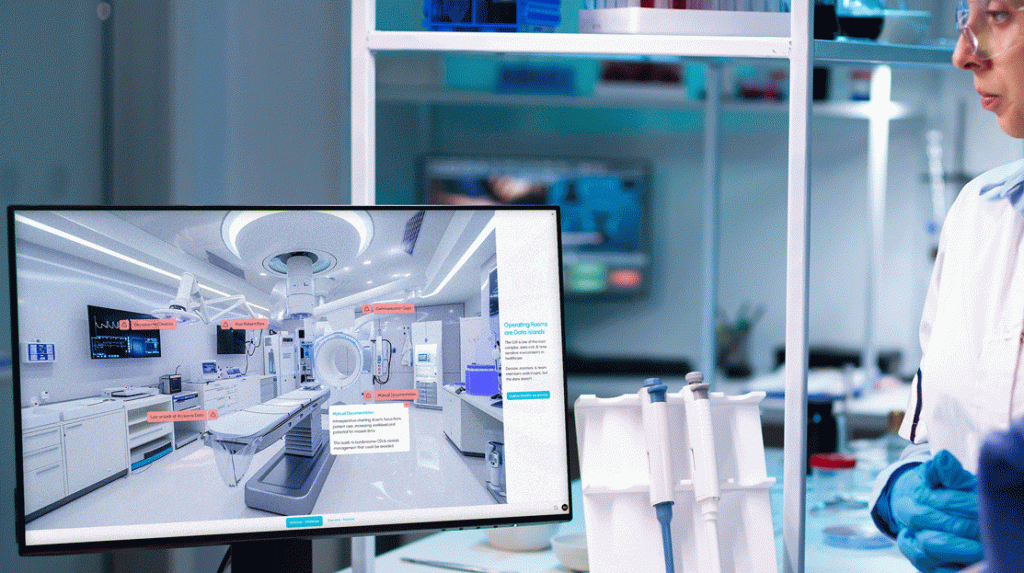
A buyer enablement platform gives buyers a shared, interactive space to explore your solution at their own pace. It becomes the central hub for the deal.
Instead of static content, buyers get tools that let them:
- Follow guided paths that match their sector and use case
- Adjust inputs and see impact on performance or costs
- Explore visual maps of workflows, integrations, or care paths
- Share focused views with different colleagues
Interactivity turns complexity into clear “this is what it means for us” stories. A clinician sees patient impact. An engineer sees how systems connect. An operations leader sees process changes. A CFO sees numbers and risk.
Personalization is key here. The experience can adapt to:
- Industry or segment
- Role and department
- Main challenges and goals
- Stage in the buying process
This is especially useful for hybrid buying groups, where some people are on site and others are remote. Everyone can use the same digital hub.
For sellers, detailed engagement insights show who is involved, what they are viewing, and where interest drops off. This helps sales teams spot new stakeholders, identify confusion early, and plan next steps with clear context.
The result is greater buyer confidence. When champions can revisit key moments, share tools that tell the story, and see clear outcomes, they enter internal meetings prepared instead of uncertain.
Practical Ways to Use Digital Tools in Spring Planning Cycles
A buyer enablement platform can help by providing:
- Interactive ROI and value calculators for budget meetings
- Simple implementation timelines for operations and clinical leaders
- Compliance and security pathways for risk and IT teams
- Scenario planners that compare “do nothing” vs “change”
Sales teams can build confidence by:
- Sending tailored digital leave-behinds after workshops or site visits
- Curating role-based experiences for each stakeholder group
- Using engagement data to prepare for formal review gates
- Giving champions one central story, not ten scattered files
With hybrid buying now common, remote stakeholders need as much clarity as those attending live demos. A shared digital space lets everyone revisit content, comment, and stay aligned without losing track of the story.
When done well, this approach reduces back-and-forth, shortens alignment cycles, and helps keep key initiatives on track as planning windows close.
Turn Champions Into Confident Decision Makers
In complex B2B sales, the real success is not just a great demo. It is having a confident champion who can share your story inside their company without you present.
When you make things simpler, personalize the buying experience, and provide interactive tools people trust, stalled deals begin to move. Risk seems lower, choices are clearer, and timelines feel realistic.
At POPcomms, we create buyer enablement experiences for industrial, healthcare, and advanced technology teams who need to turn complex offerings into clear, engaging stories buyers can share. One platform with interactive tools and deep engagement insights can make the difference between a deal that drifts and a decision that lasts.
Frequently Asked Questions
What is a buyer enablement platform, and how is it different from sales enablement?
Sales enablement helps your team sell. Buyer enablement helps your buyer buy. Instead of arming sellers with more slides and scripts, a buyer enablement platform gives the buying group an interactive, shared space that makes the decision easier to understand, explain, and defend internally, especially when multiple stakeholders and approvals are involved.
How does buyer enablement prevent “one more review” from turning into a stalled deal?
Most “one more review” requests are really confidence gaps in disguise. A buyer enablement experience helps by giving stakeholders clear, role-specific answers in one place, such as:
- ROI and value views for finance
- Integration, security, and risk pathways for IT and compliance
- Process and rollout timelines for operations and clinical teams When reviewers can self-serve what they need (and see how it connects to outcomes), alignment speeds up and the deal stops resetting back to basics.
What are the clearest signs our champion needs more support right now?
If you see any of the following, your champion is likely doing internal selling without the tools to do it well:
- New stakeholders showing up late and asking foundational questions
- Repeated “send something over” requests for internal meetings
- Conversations circling back to square one after a demo or workshop Those moments are where interactive, personalised content makes the biggest difference, because it turns your message into a story they can reuse confidently.
What content should we start with when building an interactive buying experience?
Start with the content that most often causes delays at review gates. For many complex deals, that means:
- A simple business case (value drivers, assumptions, payback)
- A clear implementation plan (phases, resourcing, timeline)
- A technical and compliance overview (what connects where, what’s required) Then layer in role-based views so each stakeholder gets the “what it means for us” version, not a generic master deck.
How do engagement insights help without feeling intrusive to buyers?
Engagement insights are most useful when they’re used to reduce friction, not apply pressure. When you can see what stakeholders are exploring (and where they stop), you can:
- Spot new influencers early
- Identify which topics are unclear
- Prepare for security, clinical, or budget reviews with context Done well, it leads to better follow-up conversations, more relevant, less repetitive, and easier for buyers to move forward with confidence.
Empower Your Buyers To Make Faster, Confident Decisions
If you want to make complex sales cycles smoother, our buyer enablement platform gives your prospects everything they need to understand, compare, and champion your solution internally.
At POPcomms, we work with your team to create interactive experiences that fit your buyers’ journeys and decision-making needs. Let’s see how we can bring your content, data, and sales conversations together into one clear experience that moves deals forward.
If you have questions or want to discuss a project, simply book a discovery call today.

Related Posts
Revenue Enablement Tools: 12 Top Solutions | POPcomms
Read
Automate Your Buyer Enablement Workflows in 2026
Read

Sales Enablement for B2B Manufacturers | POPcomms
Read
Which Types of Sales Enablement Content Should You Add to Your Toolkit?
Read