



Last updated: 17 April 2026
Your last three lost deals didn’t go to a competitor. They went to “no decision.” After the demo, your champion had to recap everything to their buying committee using half-remembered conversations and a messy inbox, and the internal alignment never happened. This is the hidden cost of selling complex medical devices without a structured buyer experience. Most medical device companies have invested heavily in sales enablement platforms that help reps find content. What they’re missing is medical device buyer enablement software , a fundamentally different tool that helps buying committees build shared understanding together. This article explains why that distinction matters, how it works in practice, and why medical device companies are seeing win rate improvements of 49% or more when they get it right.
Key Takeaways
- Eighty-six percent of B2B deals stall after entering the pipeline , not because of competitor pressure, but because the buying committee cannot reach internal agreement on complex medical device solutions.
- Sales enablement platforms help sellers find content; buyer enablement software helps buying committees make sense of it together, solving two entirely different problems.
- Medical device buying committees need a shared space where all stakeholders , clinical staff, procurement, IT, finance , can experience your solution as one coherent story, not fragmented emails and PDFs.
- Companies using structured buyer enablement see 49% higher win rates and can move from first contact to shared information in minutes instead of a week.
Why Medical Device Deals Stall (And It’s Not What You Think)
Deals don’t die in your pipeline. They die in your buyer’s inbox. After your sales rep delivers a compelling demo of your medical device solution, something happens that most sales leaders never see: your champion returns to their buying committee with no structured way to bring everyone along. They have a memory of the conversation, perhaps a product sheet, maybe a spec document , but no cohesive way to present the business case to clinical directors, procurement managers, finance controllers, and IT stakeholders who each have different priorities and different questions.
Medical device sales are uniquely complex. A single buying committee for a hospital system or clinic network might include surgeons, nurses, biomedical engineers, compliance officers, and budget holders. Each of them needs to understand your solution through their own lens, clinical efficacy, total cost of ownership, integration requirements, regulatory compliance, and operational fit. When they each receive different content pieces in different formats, they don’t converge on agreement. They converge on confusion. One stakeholder reads a clinical outcomes study and focuses on safety. Another reads a procurement document and focuses on price. A third reads a technical spec and focuses on integration complexity. They walk into the alignment meeting with three different versions of your solution in their heads, and no shared reference point.
This is not a sales problem. This is an architecture problem. And it’s costing you more than you realize. According to Forrester research on B2B buying behaviour, the post-demo phase is where most complex deals are won or lost, and it’s the phase where sellers have the least visibility.
The Critical Difference: Sales Enablement vs. Buyer Enablement
This distinction is not semantic. It’s the difference between a tool that helps your sales team work more efficiently and a tool that changes how your buyers experience your solution. Let’s be clear about what each does:
Sales enablement platforms (like Seismic, Highspot, or Showpad) solve for the seller’s workflow problem. They ask: Can our reps find the right deck? They organize content, version control, engagement tracking, and usage analytics, all centered on making the rep’s job easier. In a fast-moving SaaS environment with quick deal cycles and single economic buyers, that works. But medical device sales don’t work that way. Your deals take longer, your buying committees are larger, and version control nightmares multiply. Sales enablement platforms were designed for velocity, not complexity.
Buyer enablement software solves for a different problem entirely. It asks: Can the buying committee build a shared understanding together? This is what medical device companies need. Instead of sending your champion a collection of documents to forward (or try to remember), buyer enablement software lets you create one interactive experience that all stakeholders can access together, updated in real time, organized to guide them through your value story, and designed so that clinical staff, procurement, IT, and finance can each find what matters to them without creating fragmentation. You’ve seen this gap yourself: from a first meeting with a customer to getting information out to them used to take a week. Now, with the right approach, it takes minutes.
Organizations with structured buyer enablement see 49% higher win rates. That’s not because the content got better. It’s because the container changed, the way buyers experience your information changed. You can have excellent medical device content, but if it arrives in your buyer’s inbox as eight separate PDFs, three email chains, and a demo recording they watched at 2 AM, it won’t produce internal alignment. That’s a format failure, not a quality failure.
How Medical Device Buying Committees Actually Make Decisions
To understand why buyer enablement software matters, you need to understand how medical device buying committees actually function , especially in healthcare systems, where the stakes are highest and the stakeholders are most diverse.
The Silent Veto Problem
One of the most expensive events in complex medical device sales is the silent veto. Imagine this scenario: your champion, let’s say the Director of Cardiovascular Surgery, has seen your solution in action. They’re convinced. They’re ready to champion it internally. They schedule an alignment meeting with procurement, finance, and IT. But one of those stakeholders, perhaps the IT director who was on vacation during your demo, never actually saw your value case. They read a forwarded email. They glanced at a PDF. And when the alignment meeting happens, they raise a question nobody anticipated: “How does this integrate with our current EHR system?” Your champion doesn’t have that answer memorized. The committee stalls. The deal doesn’t move forward. The IT director didn’t kill it on purpose. They simply didn’t have the information they needed to move forward with confidence.
This is the moment your deal actually dies, not in your sales pipeline, but in a meeting you weren’t invited to. And it happens because the buying committee couldn’t build a shared picture of your solution together before that alignment meeting happened.
Alignment Requires Architecture
Buying committees don’t move through sales funnels. They move through confidence, alignment, and perceived safety. Every stakeholder on that committee is asking slightly different questions:
- Clinical staff ask: Does this improve patient outcomes? Is it safe? Will my team adopt it?
- Procurement asks: What’s the true total cost of ownership? What are the service terms? How does this compare to alternatives?
- Finance asks: What’s the ROI? What’s the payback period? How does this fit our budget cycle?
- IT asks: How does this integrate with our existing systems? What’s the implementation timeline? What are the support requirements?
- Compliance/Risk asks: Are there regulatory issues? What’s your quality certification? What happens if you get acquired?
Traditional sales approaches give each of these stakeholders different documents, and hope they somehow add up to alignment. Buyer enablement software does something different. It creates one shared space where all these questions get answered, where all stakeholders can see the business case from their perspective, and where the buying committee can move forward as a unit. This is especially critical in medical device sales, where the clinical team, procurement, and finance often have conflicting priorities, and alignment is not assumed into existence. It’s engineered, or it doesn’t happen.
What Buyer Enablement Software Does Differently
Medical device buyer enablement software operates on a different principle than traditional sales enablement platforms. Here’s what it actually does:
It Turns Complex Product Stories into Interactive Experiences
Medical devices are inherently complex. You’re not selling a subscription. You’re selling a solution that has to integrate into healthcare workflows, meet regulatory requirements, deliver clinical outcomes, fit budget constraints, and work with existing systems. That complexity can’t be reduced, but it can be navigated.
Buyer enablement software lets you take that complexity and present it as an interactive journey. Instead of a 47-slide PowerPoint deck that nobody reads all the way through, you create an experience where each stakeholder can navigate to what matters to them. A clinical director can focus on outcomes data and adoption considerations. A procurement manager can focus on pricing, terms, and contract terms. An IT director can focus on integration and support. But it’s all part of one coherent story, not fragmented across multiple documents.
One medical device company we worked with had a complex portfolio spanning three different product lines, each with different clinical applications, pricing models, and implementation approaches. Explaining all of that took months of back-and-forth emails, spec sheets, and customized presentations. Using our services, they turned that complex portfolio into a persuasive, buyer-centric experience that explains their entire value story in under 3 minutes. More importantly, all stakeholders on the buying committee experienced the same story , so when they aligned internally, they were aligning on the same understanding of the solution.
It Enables Governance and Version Control Without Friction
Medical device companies live in fear of PowerPoint version control nightmares. You send a presentation to your regional sales team. Within weeks, you have seven different versions floating around, some with outdated pricing, some with old clinical data, some with off-brand messaging. Your sales reps are sending different versions to different buyers. Your brand story is fragmenting. And you have no visibility into which version a buyer actually received.
Buyer enablement software solves this by creating a single source of truth. When you update critical content, new clinical data, pricing changes, or regulatory updates, every buyer sees the updated version immediately. There’s no version control nightmare. There’s no off-brand variation. There’s one authoritative experience, governed centrally, accessible everywhere. For global medical device companies with international teams and regional sales forces, this is transformational.
It Gives You Visibility Into Buying Committee Alignment
Here’s something most medical device companies don’t have: visibility into what’s actually happening in the buyer’s world after the demo. Your champion goes quiet. You don’t know if they’re socializing your solution with the committee or if they’ve forgotten about it. You don’t know if finance has reviewed it. You don’t know if IT has raised concerns. You’re flying blind.
Buyer enablement software changes that. When you share an interactive buyer experience, you can see which stakeholders engaged with it, what sections they spent time on, which questions they were exploring, and whether they’re moving toward alignment or stalling. This isn’t about being creepy or invasive; it’s about understanding the buying committee’s confidence level. If you see that the IT director spent 20 minutes on the integration section but never looked at the outcomes data, you know something. You can follow up on that specific concern before it becomes a silent veto.
It Lets Sales Teams Focus on Conversation, Not Logistics
Your sales reps shouldn’t be spending time managing PowerPoint decks, answering “can you send me that slide again?” emails, or dealing with engagement tracking spreadsheets. They should be having meaningful conversations with buyers about clinical outcomes, workflow integration, and value. Buyer enablement software gets logistics off their plate.
Your rep sends one link. The buyer accesses an interactive experience. The rep can talk about what they learned during the demo instead of managing document flows. The buyer can explore at their own pace and share that experience with their committee. Everyone’s attention stays on the actual conversation, not the container.
Real Results: Medical Device Companies See Faster Closures and Stronger Alignment
The impact of buyer enablement software in medical device sales isn’t theoretical. It’s measurable. Here’s what organizations are seeing:
Dramatically faster information flow. Moving from first contact to getting complete information in front of a buying committee used to take a week or more. Now it takes minutes. Your champion can share a link in the alignment meeting instead of trying to recap everything from memory. That’s not just faster, it fundamentally changes the quality of internal discussions because everyone’s working from the same information at the same time.
Higher win rates. Organizations with structured buyer enablement see 49% higher win rates. This isn’t because your product got better. It’s because your buyers can align faster and move forward with more confidence. When a buying committee can build a shared understanding of your solution before they meet to make a decision, that decision moves forward.
Significant cost savings. Companies see a 70% reduction in print and logistics costs by making content available in digital, interactive formats instead of printing spec sheets and shipping them for tradeshows and customer meetings. But the bigger cost savings come from shorter sales cycles and fewer deals lost to “no decision.” If you’re closing deals faster and losing fewer to internal misalignment, your cost per acquisition drops significantly.
Faster follow-up and stronger confidence. The gap between demo and decision is where most complex medical device deals are won or lost. When that gap is supported with a structured buyer experience, your champion can follow up faster (“Have you seen the clinical outcomes section?”) and stakeholders can engage with confidence (“I’ve already reviewed the integration requirements , it’s compatible with our EHR”). That changes the entire rhythm of the deal.
Alignment across distributed teams. For medical device companies with national or international sales teams, having one authoritative buyer experience means every rep is selling the same story. Your regional teams in the Midwest, Northeast, and West Coast are all presenting the same value case, just customized for local context. That consistency, scaled across a large sales organization, compounds over time.
Overcoming Implementation Fears in Industrial Sales
We hear the same objections from medical device companies that have already invested in sales enablement platforms. Let’s address them directly.
“We’ve Already Spent Money on Sales Enablement”
Your sales enablement platform helps your reps find content. This helps your buyers make sense of it. They solve different problems, and the buyer’s problem is the one that’s stalling your deals. You don’t have to replace your existing investment. You’re adding a new layer that makes everything you’ve already built actually reach the people who decide. Think of it this way: you’ve built excellent rooms (content). But you’ve been delivering them brick by brick instead of as a complete building. Buyer enablement software is the architecture that holds those bricks together into something your buyers can navigate and share.
“Our Products Are Too Technical and Complex”
That complexity is exactly why your buyers need a better way to navigate it together. The more complex your medical device solution, the more your buying committee needs a shared space to build understanding, not more documents to read alone. Complexity isn’t a barrier to buyer enablement. It’s the reason buyer enablement works. Simple products sold to single decision-makers don’t need committee alignment. Complex medical devices sold to buying committees of 8–12 people require a fundamentally different experience than what traditional sales enablement tools were designed to deliver.
Creating complex, interactive buyer experiences used to take months and cost hundreds of thousands in development. Reducing development costs by 75% is now possible, what used to require months of technical work now takes days. This is within reach of medical device companies of every size.
“We Don’t Have Budget for Another Platform”
You’re already spending on content that doesn’t reach the decision-makers. You’re already losing deals to “no decision” instead of to competitors. This isn’t an additional cost, it’s a reallocation toward the part of your process where revenue is actually won or lost. Consider the math: if buyer enablement helps you close one additional seven-figure deal per quarter by reducing stalls, the platform pays for itself many times over. And that’s before accounting for shorter sales cycles, reduced print and logistics costs, and lower cost per acquisition.
“Our Sales Team Won’t Adopt Another Tool”
This is the biggest misconception. This isn’t a tool your sales team learns. It’s an experience your buyers use. Your rep sends a link. The buyer does the rest. Adoption isn’t about changing seller behaviour, it’s about changing the buyer’s experience. In fact, 67% of B2B buyers now prefer a rep-free experience. Buyer enablement software lets your buyers explore at their own pace while your sales team focuses on conversation and relationship. Adoption happens because it makes your buyer’s life easier, not because you’re asking your reps to learn a new interface.
“We’re Focused on Pipeline Generation, Not Deal Acceleration”
Here’s the hard truth: 86% of B2B deals stall after entering the pipeline. Generating more pipeline into the same broken buying process doesn’t grow revenue, it grows frustration. Your sales team works harder. Your marketing generates more leads. But your close rate doesn’t improve. The bottleneck isn’t pipeline generation. It’s deal acceleration through complex buying committees. Fix that, and the same pipeline generates significantly more revenue.
“Our Sales Model Is Too Different From SaaS”
Exactly. That’s precisely the point. Most buyer enablement tools on the market were built for SaaS velocity, quick deal cycles, low deal complexity, and individual economic buyers. Your medical device sales don’t work that way. You have longer cycles, more stakeholders, higher stakes, and more regulatory complexity. You need something designed for how industrial buying committees actually work, not adapted from a world that doesn’t look like yours. The best medical device buyer enablement solutions understand healthcare workflows, account for multiple stakeholder perspectives, and accommodate the extended timelines that are normal in medical device sales.
Frequently Asked Questions
What is the difference between buyer enablement and sales enablement software?
Sales enablement helps sellers find and organize content efficiently. Buyer enablement helps buying committees experience and understand your solution as a coherent story together. Sales enablement solves for seller workflow; buyer enablement solves for buyer alignment. Medical device companies need both, but most have only invested in the former.
How much longer do medical device sales cycles take with poor buyer alignment?
When a buying committee can’t build shared understanding before alignment meetings, deals stall indefinitely. Moving from first contact to shared information in minutes instead of weeks , which structured buyer enablement enables , directly shortens sales cycles and reduces deals lost to “no decision.”
Can we implement buyer enablement software without replacing our current sales enablement platform?
Yes. Buyer enablement software works alongside existing sales enablement investments. Your current platform helps reps organize and find content; buyer enablement software packages that content into experiences your buying committees can share and align around. They serve different purposes in your sales process.
What metrics should we track to measure buyer enablement success?
Track win rates (organizations with structured buyer enablement see 49% higher rates), time from demo to decision, stakeholder engagement in shared experiences, reduced “no decision” outcomes, and cost per acquisition. The most important signal is whether your buying committees are aligning faster internally.
How do medical device companies typically implement buyer enablement without major organizational disruption?
Start with your most complex deals , the ones where multiple stakeholders struggle to align. Create one interactive buyer experience for that specific scenario. Your sales team shares it. You measure engagement and feedback. Expand from there. You don’t need organizational transformation; you need a last-mile delivery upgrade from scattered emails to shared experiences.
Your medical device deals are stalling in buying committees that can’t build shared understanding. The right buyer enablement software closes that gap.
See how to turn your complex medical device story into an experience that aligns buyers faster. Contact us to explore how POPcomms helps medical device companies reduce deal stalls and increase win rates, or learn more about what structured buyer enablement looks like in practice on our blog.

Related Posts
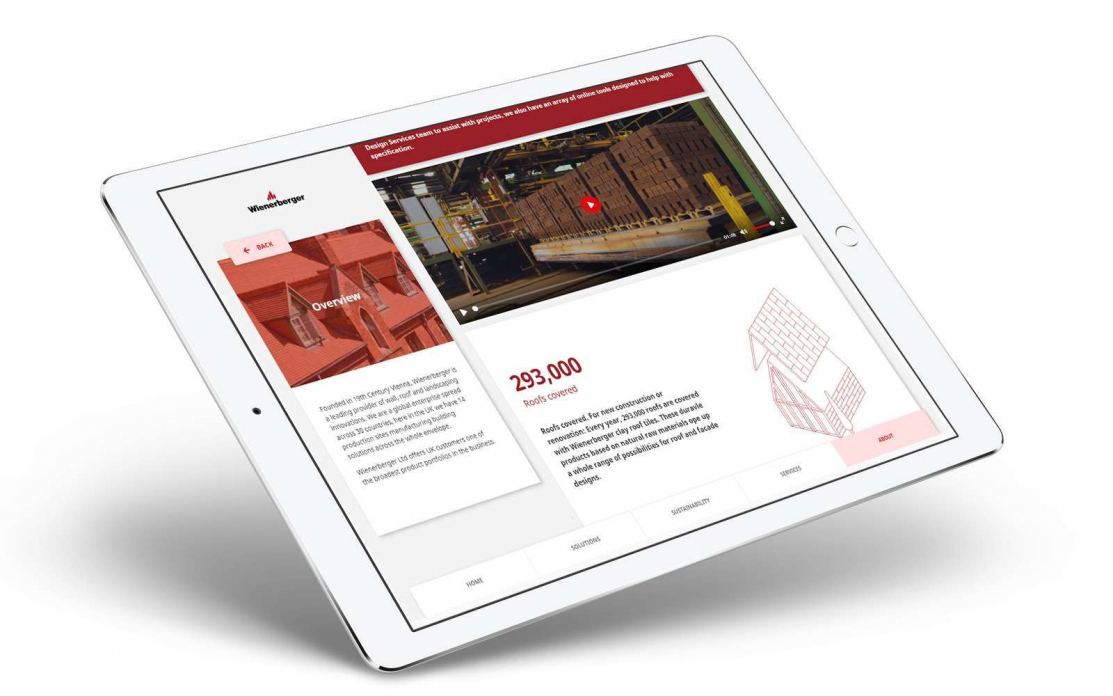
5 Sales Enablement Best Practices to Help Drive Growth
Read
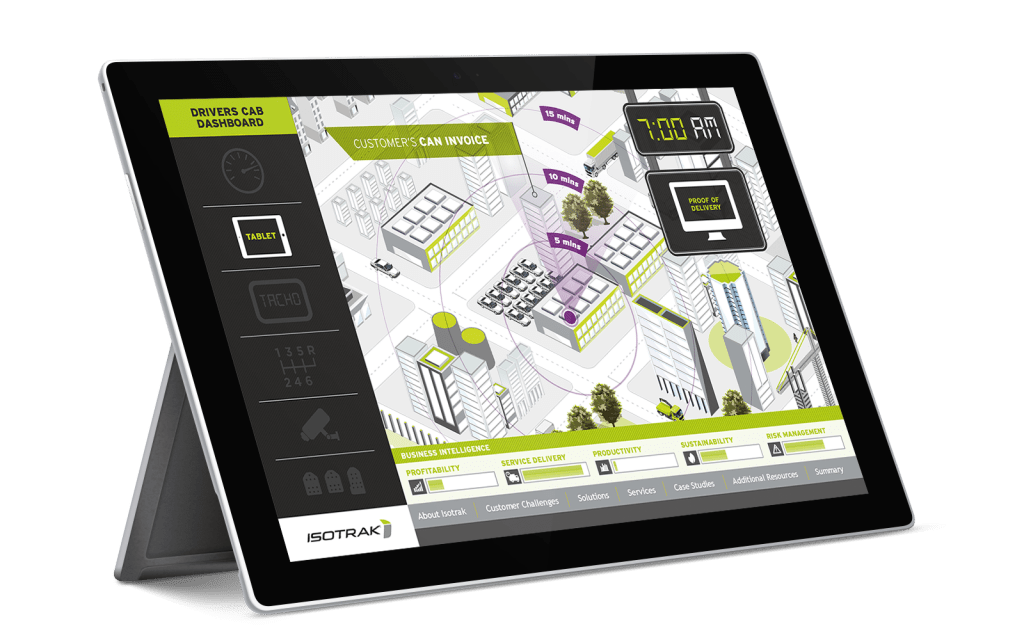
Sales Enablement CMS | Right Info, Right Time
Read
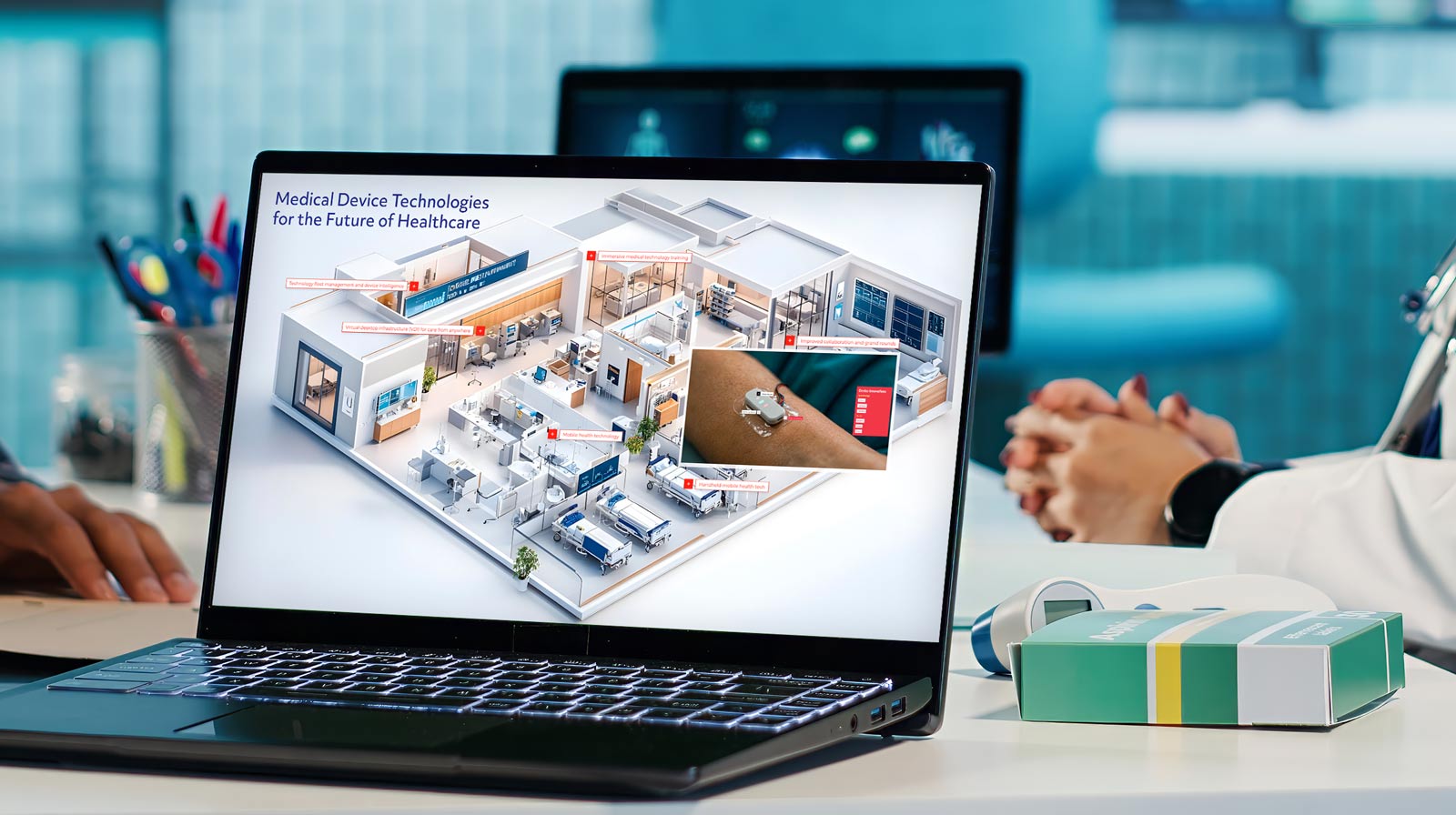
Automate Your Buyer Enablement Workflows in 2026
Read

Revenue Enablement Through the Customer Journey Framework
Read