


Give Buyers a Clear Path Through Complex Solutions
Complex industrial, healthcare, and technology solutions can be hard to explain with static PDFs, slide decks, and disconnected web pages. When information is spread across files, buyers may struggle to see how products, services, integrations, and outcomes fit together.
We often see buying groups with very different needs. Technical evaluators want details, executives want business value, procurement teams want clarity around implementation, and end users want to know how work will change. Interactive product presentation software gives each person a clearer route through the same solution.
Start with the Buying Group and Its Decisions
A useful solution map starts with the decisions your buyers need to make, not with your internal product catalog. Before we build an experience, we recommend identifying the questions that could slow a group down or help it move forward.
Most buying groups need to understand whether a solution:
- Solves a meaningful business or operational challenge
- Fits their technical environment and existing systems
- Meets security, compliance, or workflow requirements
- Delivers measurable value and manageable risk
From there, we map what each stakeholder needs to see. Technical teams may need specifications, integrations, and implementation details. Business leaders may focus on efficiency, uptime, security, patient outcomes, or revenue growth. Procurement may need value messaging, deployment information, and clear next steps.
For every stage, we document common questions, objections, proof points, and desired actions. This gives us a buyer-centered foundation instead of a presentation built around internal departments or product names.
Build an Interactive Solution Map
Interactive product presentation software turns a broad offering into a guided experience buyers can explore at their own pace. Rather than asking everyone to sit through the same linear deck, we can organize content into clear modules that match real priorities.
A solution map may include:
- Products, services, and integrated components
- Industry use cases and buyer challenges
- Technical requirements and integrations
- Implementation stages and support information
- Customer proof, outcomes, and frequently asked questions
Interactive navigation gives buyers more control without creating confusion. A healthcare stakeholder can move toward compliance and workflow content, while an industrial buyer can focus on reliability and operational performance. Meanwhile, a technical evaluator can go directly to system requirements or integrations.
Each module should connect to a real benefit. Features matter, but buyers also need to understand what those features support. That may mean improved efficiency, stronger security, reduced risk, better uptime, smoother workflows, or clearer business results.
Connect Content and Engagement to What Matters
Centralized content management helps us keep complex presentations accurate and consistent. Instead of rebuilding slides for every meeting, marketing and business development teams can work from approved modules for technical details, value messages, use cases, implementation guidance, and customer proof.
Those modules can then be assembled into personalized experiences for different industries, roles, or account needs. This approach also makes it easier to replace outdated material and keep buyer-facing content aligned with current products, messaging, and brand standards.
The experience should not end when content is shared. Engagement signals can help us prepare for a more relevant next conversation. We can review which sections buyers viewed, where they spent time, what they returned to, and what they shared with colleagues.
If a group spends time on implementation, we know onboarding and rollout questions may be top of mind. If it returns to integration content, technical validation may be needed. These signals also show marketing teams where content is working and where buyers may need a clearer explanation or stronger proof.
Put the Experience Into Action
November is a practical time to prepare for annual planning, budget discussions, and new-year pipeline work. We recommend starting small with one high-value complex solution, such as a flagship platform, an integrated offering, or a strategic industry package.
Bring together the people closest to the buyer experience, including marketing, sales, product teams, subject matter experts, and customer-facing teams. Together, we can identify priority audiences, approved content, common objections, and the actions buyers should take after exploring the presentation.
Once the experience is live, use engagement behavior and frontline feedback to refine it. A clear first version is more useful than trying to digitize every presentation at once. Over time, the strongest structure can be adapted across regions, verticals, product lines, and account-based programs.
Complex solutions do not need to create complex buying experiences. When content follows buyer decisions, supports different stakeholder needs, and reveals what interests the group, it becomes easier to build understanding and reach consensus.
Common Questions About Interactive Product Presentations
- What is interactive product presentation software? It is a tool for presenting products, services, and complex solutions through guided digital experiences. Buyers can explore relevant content, scenarios, technical details, and proof points based on their needs.
- Who benefits most from interactive product presentations? We find they are especially useful for industrial, healthcare, and technology organizations with multiple products, technical requirements, stakeholders, and decision stages.
- How does an interactive presentation support buying groups? It gives each person a clearer path to role-specific information. Executives can review outcomes, technical teams can examine integrations, and procurement can access value and implementation details.
- What content belongs in an interactive solution map? Include buyer challenges, solution components, use cases, technical information, customer proof, implementation guidance, common questions, and next-step information.
- How can teams measure presentation effectiveness? Review engagement signals such as viewed topics, time spent, repeat visits, shared content, and follow-up actions. These insights can guide both future conversations and future content improvements.
Turn Product Interest Into Better Conversations
At POPcomms, we help teams create guided experiences that make complex offerings easier to understand and discuss. Explore our interactive product presentation software to give every stakeholder a clear, consistent way to engage with your product story. When you are ready to see how it can support your team, contact us to start the conversation.

Related Posts
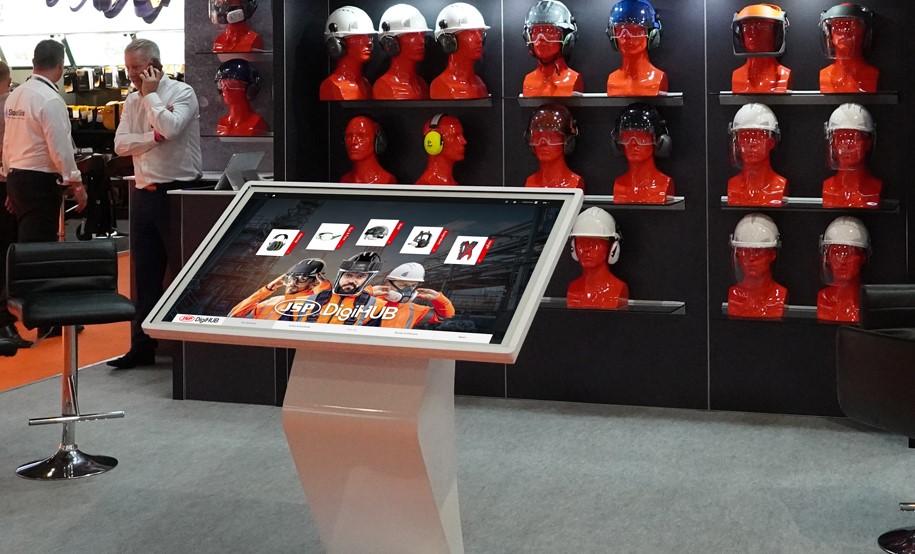
Proving Buyer Confidence: Metrics Framework Using Interactive Sales Analytics
Read
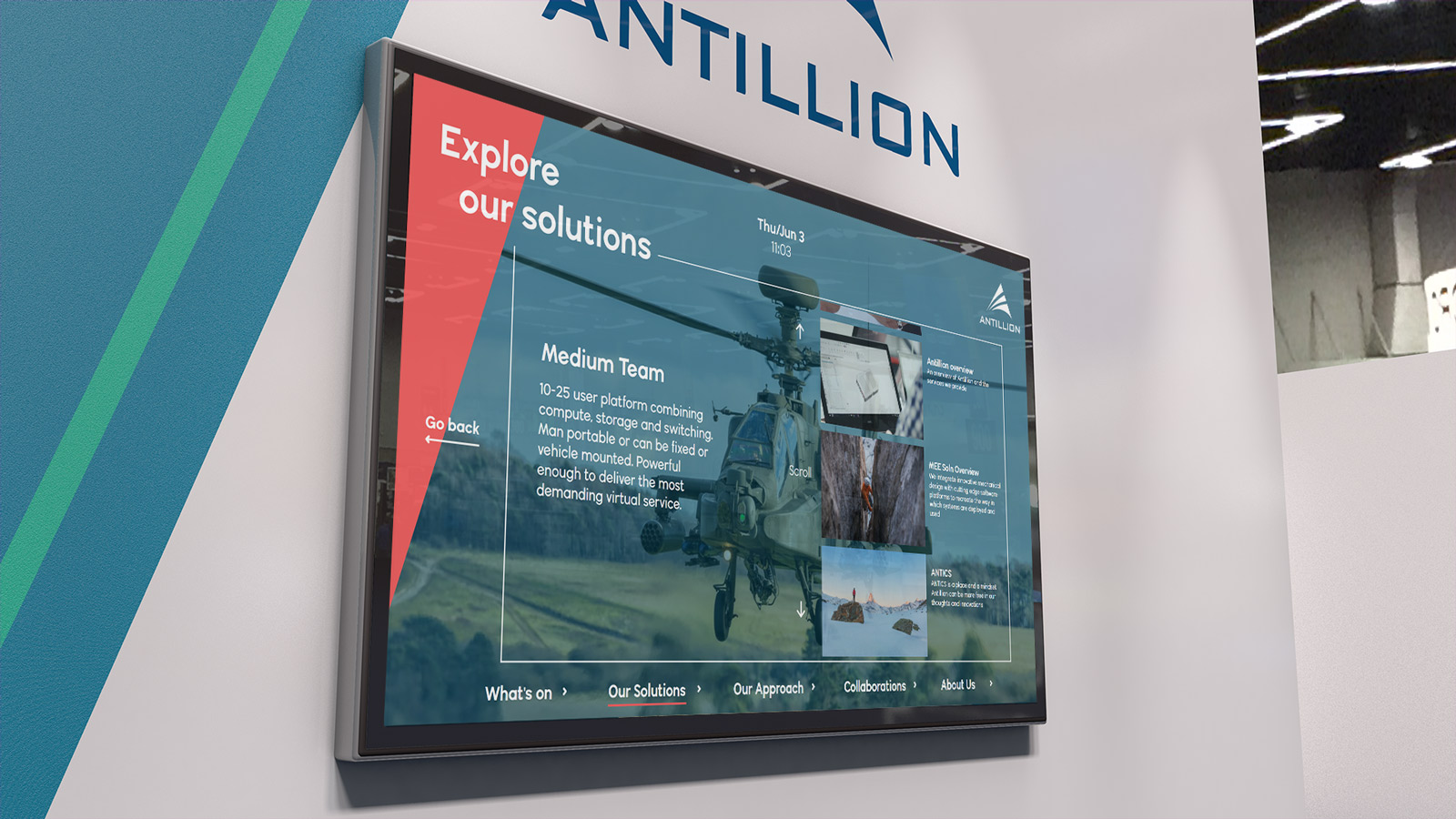
Evaluating Interactive Presentation Software for Complex B2B Sales
Read
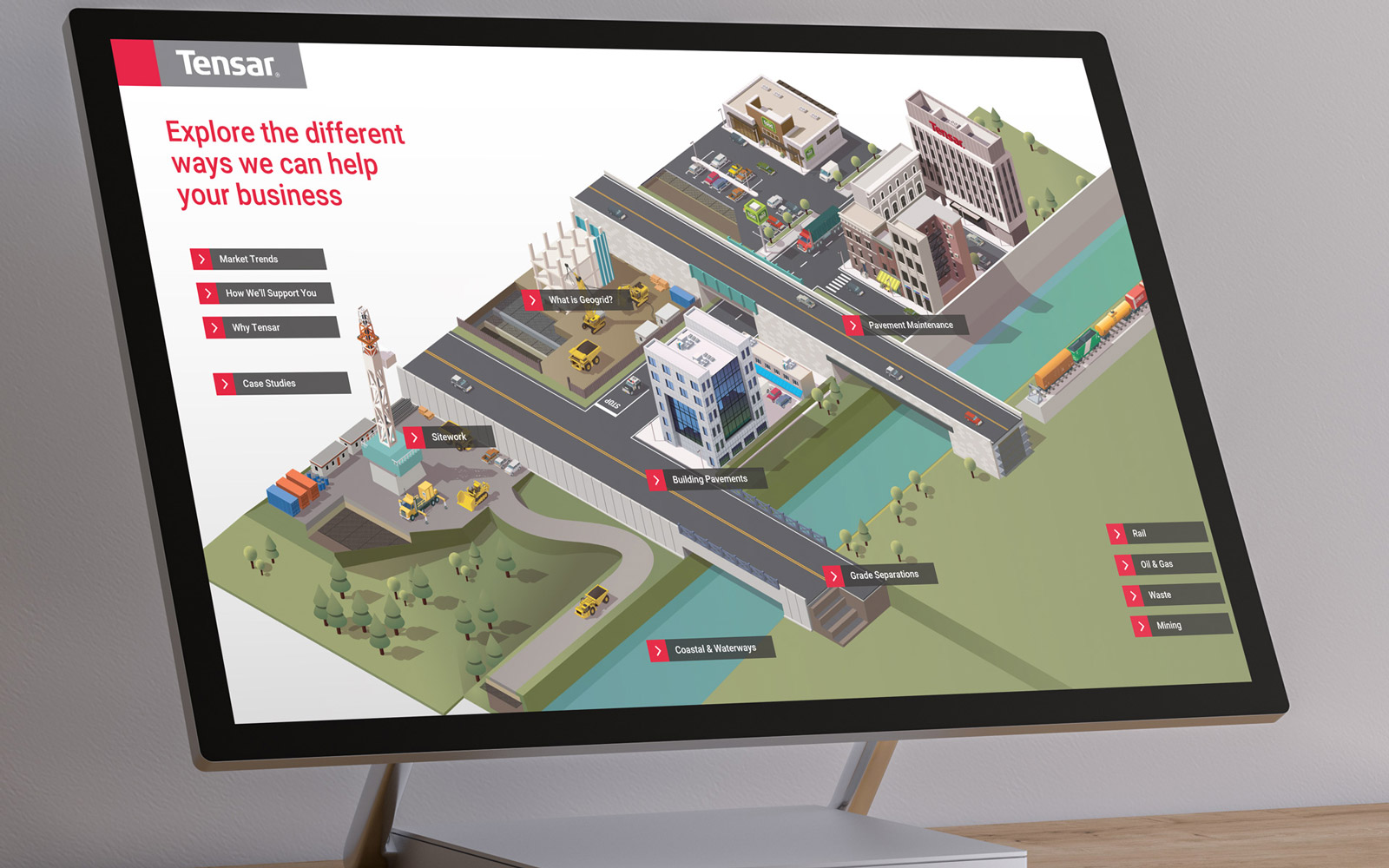
Choosing Interactive Presentation Software for Complex B2B Sales
Read
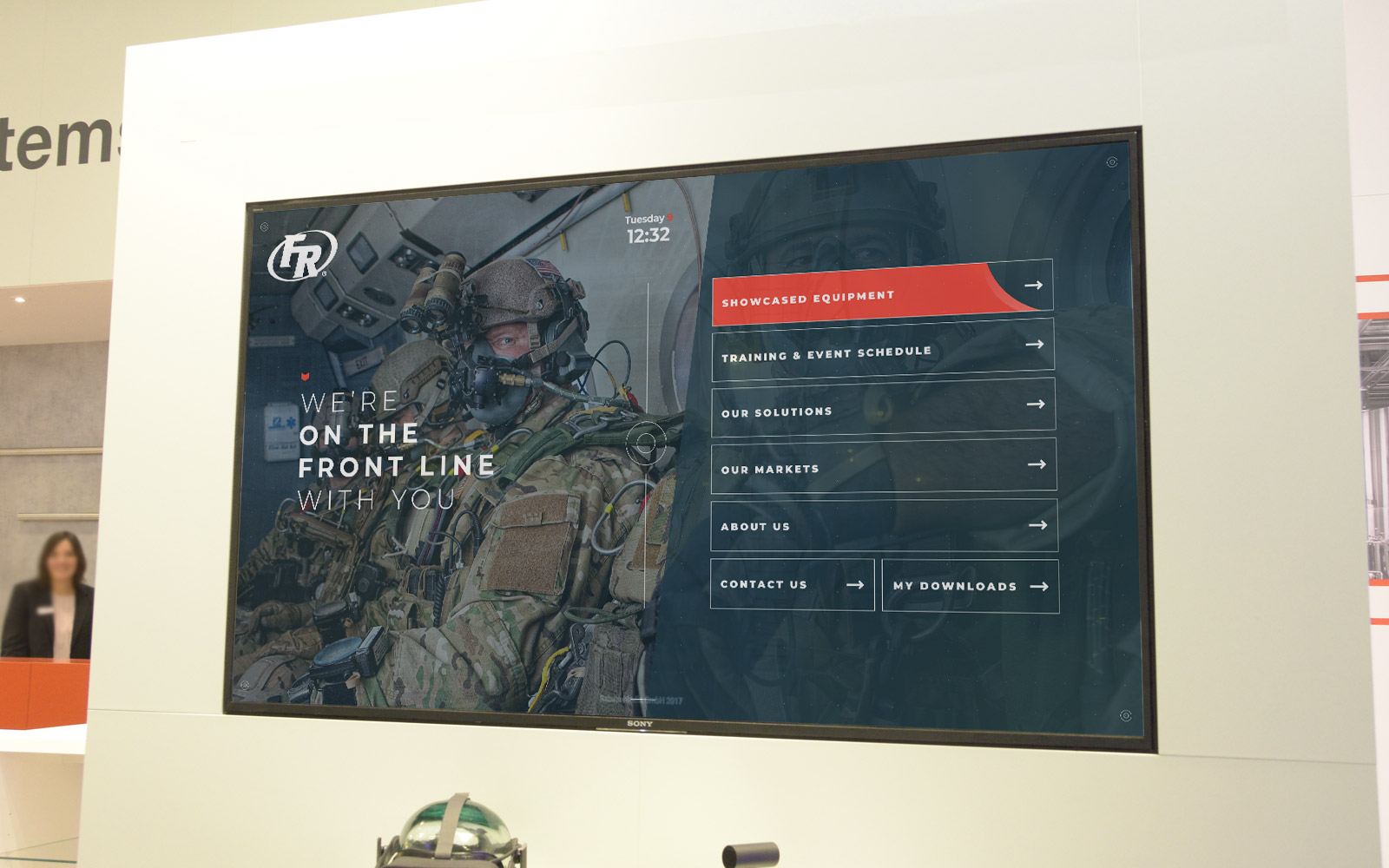
Can Interactive Proposal Software Prevent Late-Stage Deal Drift
Read