




Industrial sales teams need to be clear, quick, and accurate. But when solutions are complex and highly engineered, using slide decks, spreadsheets, and long email chains can make this feel nearly impossible. Interactive sales tools help improve win rates, margins, and reduce team workload.
This article explains the business case for interactive sales tools in industrial markets. We cover ROI, cost-to-serve, time-to-quote, and how to show value to senior leaders focused on profit, risk, and capacity.
Turning Complex Industrial Sales Into Profitable Clarity
Industrial buyers today face tight budgets, skills shortages, and long approval processes. They want suppliers who can explain complex systems clearly and provide quick answers. If we cannot do this, our offer may quickly lose priority.
Traditional sales methods struggle when you are working with engineered-to-order or configurable solutions. Common problems include:
- Long, technical slide decks that buyers quickly forget
- Spreadsheets with hidden formulas that only one person fully understands
- Repeated meetings just to correct or clarify requirements
Interactive sales tools and buyer enablement platforms like POPcomms help solve these problems. They allow us to:
- Visualise systems and layouts in a way buyers can understand
- Guide requirements capture in a structured, repeatable way
- Build in pricing and configuration logic so there is one source of truth
The goal is clear: give buyers better understanding and help the business with higher win rates, lower cost-to-serve, and faster, more accurate quotes that keep sales, engineering, and operations working together.
Why Industrial Sales Needs a New Commercial Engine
Many industrial companies still depend on scattered documents and knowledge held by a few experts. Information is stored on local drives, in personal folders, or just remembered by senior staff. This causes:
- Slow response to RFQs because data is hard to find
- Manual checks by engineering for almost every quote
- Rework when something important was missed in discovery
Customer expectations have changed. Buyers now like to research on their own, review information online, and come to meetings with a shortlist. They compare vendors based on how clearly solutions are explained and how fast they respond before budgets run out.
The hard costs of old ways of working include:
- High pre-sales engineering effort on deals that may never close
- Misaligned proposals that do not match the buyer’s actual priorities
- Heavy travel and multiple site visits just to get to a clear proposal
There is also a hidden risk to revenue. Buyers often prefer suppliers who present solutions interactively, respond quickly, and provide materials they can share internally without us present.
Building a Solid ROI Model for Interactive Sales Tools
To build a strong business case, we need to focus on financial results, not just better sales conversations. A basic ROI model starts with three main factors:
- Higher conversion rate, because buyers understand the value more clearly
- Higher average deal size, as upsell options and long-term value are easier to show
- Reduced discounting, because we can explain ROI and total cost of ownership
From there, we look at baseline metrics such as:
- Current win rate on qualified opportunities
- Typical sales cycle length from first meeting to order
- Average pre-sales and engineering hours per opportunity
Interactive sales tools are designed to improve all these areas. For example, when requirements and configurations are guided in a POPcomms-style platform, we see:
- Fewer missed details, which means fewer engineering change orders
- Less rework late in the cycle, so margins are better protected
- Lower project risk, because the solution is understood and agreed earlier
Engagement intelligence also adds to the ROI. By tracking what buyers click on, what they explore most, and which sections they revisit, we can:
- Prioritise the right deals
- Coach sales teams based on real buyer behaviour
- Forecast with more confidence, because we know which opportunities are active
Cutting Cost-to-Serve Without Compromising Expertise
The cost-to-serve in industrial sales is often hard to see. It appears in:
- Hours of pre-sales engineering
- Custom proposal decks for each account
- Travel for on-site demos that could have been remote
- Long follow-up chains to clarify details from earlier calls
Interactive sales tools help lower these costs without losing expertise. By standardizing discovery questions and configuration logic, account managers can handle more of the early technical discussions themselves. Engineers can then focus on the unique or complex cases instead of every quote.
Reusable, governed content in a buyer enablement platform means:
- One core story for each solution, always up to date
- Fewer one-off decks that live on someone’s laptop
- Less risk of using out-of-date pricing or compliance wording
Remote, interactive sessions are important too, especially when travel is difficult or schedules are tight. High-quality, guided experiences help global teams do more with the same staff, while still giving buyers a personalized meeting.
Compressing Time-to-Quote and Winning More Deals
Time-to-quote is now a major reason why suppliers are chosen or overlooked. When procurement teams have tight deadlines, a slow quote can mean missing out.
Interactive sales tools speed this up through:
- Guided configuration that captures the right details first time
- Embedded pricing rules that stop errors before they happen
- Pre-approved commercial templates that shorten internal review
When buyers see custom configurations, what-if scenarios, and financial impacts during a meeting, their confidence increases. Receiving a follow-up proposal that matches what they saw makes the process feel consistent and trustworthy.
This faster, smoother process leads to other benefits:
- Earlier executive sign-off on both sides
- Shorter contract negotiation, as fewer items are unclear
- Capacity to quote more opportunities in the same period without overloading teams
Frequently Asked Questions on Interactive Sales Tools
What are interactive sales tools in an industrial context?
Interactive sales tools are digital applications that let sales teams and buyers explore configurations, visuals and data together in real time. For industrial companies, they often bring product visuals, guided discovery, rules and pricing into one controlled experience instead of scattered files.
How do interactive sales tools reduce cost-to-serve?
They give front-line sales a structured way to handle more of the technical conversation, so engineering is pulled in only when needed. They also use reusable content and templates, support remote demos and help capture accurate requirements on the first pass, which all cut effort per deal.
What impact can we expect on time-to-quote?
By building pricing rules, approvals and configuration logic into a managed platform, quotes can move from slow and manual to fast and guided. Internal approvals are smoother and there are fewer cycles with engineering, so buyers get accurate proposals while they are still engaged.
How difficult is it to implement interactive sales tools?
The effort depends on the variety and complexity of your portfolio. Many industrial firms start with a focused area, such as a core solution or common system type, then expand. A partner helps capture rules, design interactive journeys and connect to systems like CRM or CPQ.
How can we measure ROI from interactive sales tools?
The best start is to set baseline numbers for win rate, discount level, sales cycle length, time-to-quote and pre-sales hours per deal. After rollout, compare deals that used interactive sessions with those that did not over a few months. Add in feedback from sales teams and buyers, plus fewer errors and clearer forecasts, to build a strong ROI story for leadership.
Transform Your Sales Conversations With Interactive Experiences
Make your content stand out with our interactive sales tools, helping your team share clear and engaging stories in every meeting. At POPcomms, we partner with you to turn complex ideas into easy-to-use digital experiences that customers understand right away. If you want to see how this could work for your business, contact us and we will guide you through each step.

Related Posts
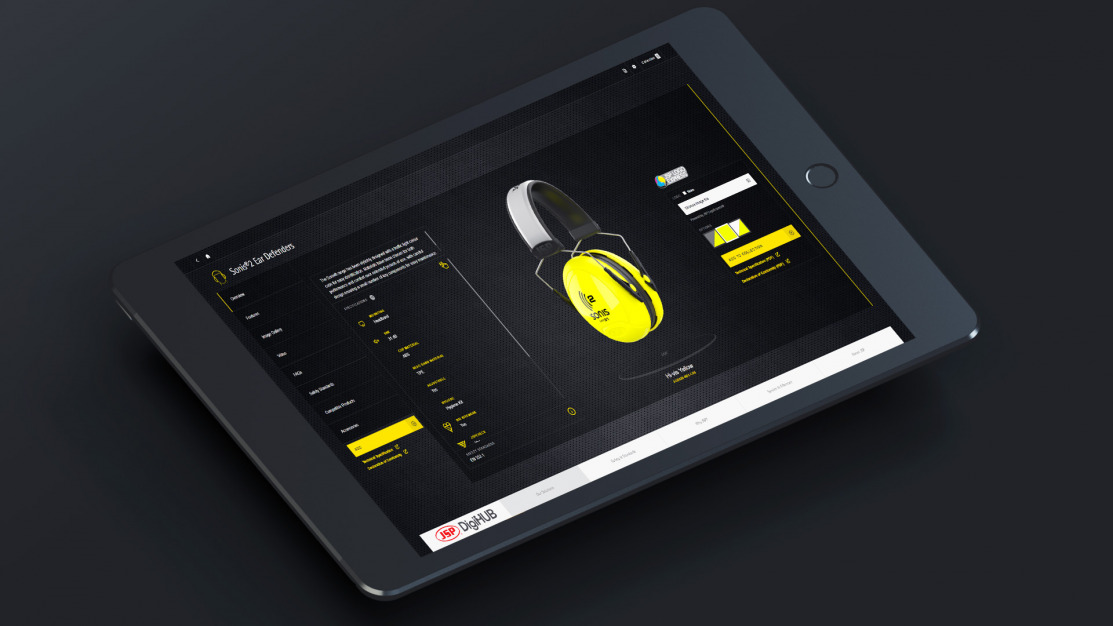
Convert a Static Sales Deck Into an Interactive, Analytics-Driven Journey
Read

Interactive Touchscreen Examples | POPcomms
Read

PowerPoint Alternative | POPcomms Presentation Software
Read
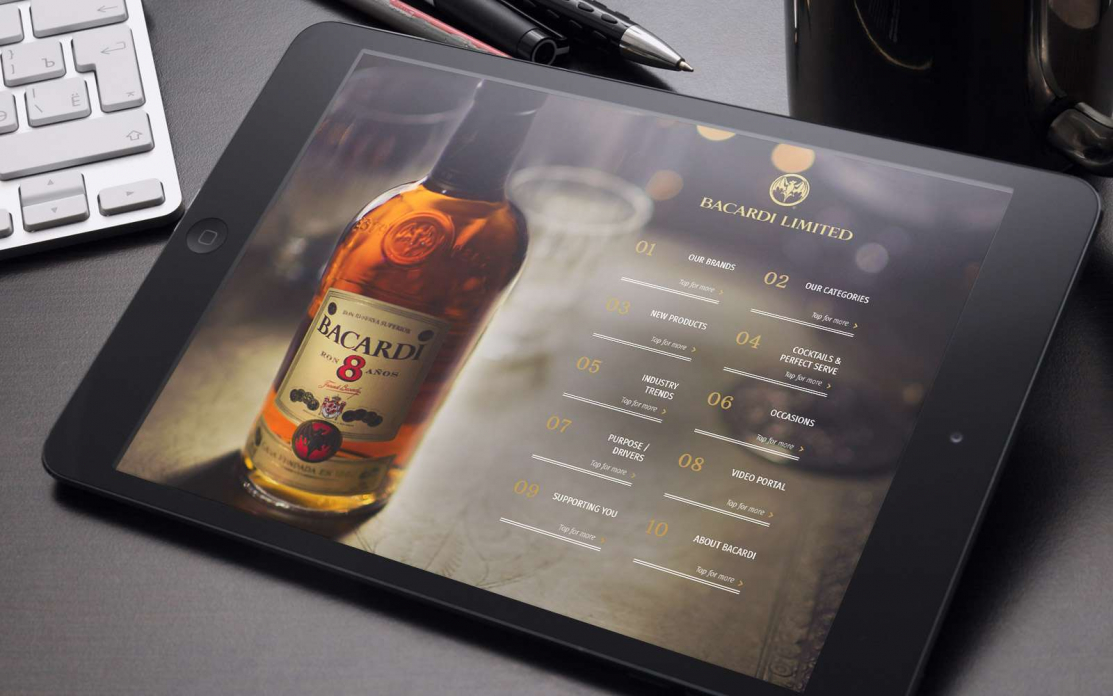
Interactive Sales Experience: Boost Conversions | POPcomms
Read