




Turn Raw Interaction Data Into Trusted Deal Insight
Reliable engagement tracking is the difference between guessing and knowing what is happening in a deal. When sales cycles are long, technical, and involve many people, we cannot afford fuzzy data. This is especially true when you need to track buyer engagement across your events, buyer microsites, sales calls and deal rooms.
If the analytics behind those spaces are off, everything that follows is off too. We misread intent, chase the wrong accounts, ignore real interest, and end up with poor follow-up from events. CRM attribution gets messy and trust in reports drops quickly.
We treat content engagement tracking software like any other serious system. It needs clear instrumentation and regular audits. Think of it as a playbook for events, stakeholders, privacy, and data flows, so the numbers your teams see are worth acting on.
Map Buyer Journeys and Define Meaningful Events
Before setting up a tag or event, we need to be clear on what we want to know. For complex B2B sales, useful questions usually sound like:
- Which stakeholders are actually engaging, not just the main contact?
- Which assets help move deals from early interest to active evaluation?
- What happens after a big industry event when people get access to the deal room?
From there, we draw an event blueprint. Not every click needs to be tracked. Some actions tell us little, others tell us a lot.
- Low-value events might include:
- Simple page views across a microsite
- Mouse movements or scroll depth with no real action
Higher-value events often look like:
- Downloads of key assets like specs or clinical summaries
- Use of configurators or calculators
- Video watch points past certain time thresholds
- Deal room logins and repeat visits
- Stakeholder invites, shares and new user sign-ups
- Form submissions, quote requests or meeting bookings
We then pick the micro conversions that clearly tie to sales stages. For example, first invite accepted, second visit from procurement, or late-stage contract document opened. These events give sales and marketing teams better context than vanity metrics like total views.
Instrument Buyer Microsites and Deal Rooms with Confidence
Once the blueprint is set, we can instrument buyer microsites and deal rooms with confidence. That starts with tracking standards so everyone uses the same language.
We agree on things like:
- Event names that are clear and consistent
- Parameters for asset type, industry, campaign, and device
- Flags for user role, like champion, technical evaluator, procurement, clinical lead
Then we walk through each key area of the experience and define what should fire where:
- Navigation: main menu clicks, key journey paths, homepage to deal room jumps
- Asset galleries: opens, downloads, favourites, shares
- Interactive tools: configurator steps, completed results, export actions
- Embedded video: play, pause, complete, replays
- Forms and chat: started, completed, key fields captured
- Meeting bookings: slots viewed, booked, rescheduled
- Stakeholder invite flows: invite sent, accepted, declined, expired
To keep things safe, we always build a test plan. This usually includes:
- A staging environment that mirrors the live buyer microsite
- Test accounts for each role, with dummy stakeholders
- Checks for duplicate events, so we log each action once
- Cross-device tests, for web, tablet and in-person event kiosks
- Only when all test events behave as expected do we roll changes into live environments.
Validate Stakeholder Identity, Privacy and Consent
Good engagement data is not just about what happened, it is about who did it. In complex B2B sales, we often have groups of people involved across locations, devices, and time zones.
To keep identity clear without being intrusive, we can use:
- SSO where accounts already have it set up
- Magic links that give named contacts easy access without passwords
- Personalised URLs tied to account and role
- Controlled sharing rules inside deal rooms so links are not passed around freely
Privacy needs the same level of care. This matters in every sector, especially in healthcare and advanced technology, where there may be clinical data or sensitive IP.
Practical steps include:
- Clear cookie consent banners that actually work as chosen
- Region-aware settings, so data rules are followed by location
- Avoiding any tracking of PHI or confidential clinical notes
- Securing documents that describe industrial IP or confidential technical designs
We then audit identity resolution. This means checking how the system:
- Deals with shared team inboxes or group emails
- Joins web, tablet and kiosk activity into one timeline
- Handles anonymous activity, and when that can be safely linked to known contacts
- Keeps guest access from events separate until consent is clear
Make CRM Attribution and Reporting Trustworthy
Once events are accurate and tied to real people, we need to make sure that meaning flows into the CRM. This is where many teams lose trust if things are not mapped well.
We start with a shared data schema. At a simple level, that covers:
- How microsites and deal rooms map to accounts and opportunities
- How asset IDs line up with CRM fields for content
- How event names and values line up with campaign and activity fields
- How seasonal event campaigns and post-event nurtures are tagged
Then we test the full pipeline. This means following a single test stakeholder from:
- Invite sent
- First login to a deal room
- Key asset viewed and tool completed
- Meeting booked
- Opportunity updated
We also build validation dashboards. These help teams compare:
- Counts from the content engagement tracking software with CRM activities
- Reported key assets against what sales teams say actually lands in calls
- High engagement accounts against pipeline and forecast reports
If we see gaps or ghost activity that never appears in the opportunity history, we know there is a break in the chain.
Build a Repeatable Audit Cadence and Turn Data Into Action
The point of an audit playbook is not to do it once and forget about it. Buyer microsites, deal rooms, and content types change constantly.
A simple cadence usually looks like:
- A full audit at least once a quarter
- Extra checks after big launches or major events
- Quick regression tests after updates to content engagement tracking software or CRM
To make this work smoothly, we share the work across teams:
- Sales ops focuses on CRM fields and attribution
- Marketing ops checks campaign tags and journeys
- IT checks SSO, access and data security
- Data protection reviews privacy and consent handling
- Field sales sense checks reports against what they are hearing in meetings
We keep all of this in a living playbook, with:
- Checklists for new buyer microsites and deal rooms
- Naming standards for events and assets
- Test scripts for new content types or interactive tools
- Simple how-to guides so new regions and industries can be added cleanly
Once the analytics are trusted, we can turn them into clear sales action. Validated data supports plays like:
- Prioritising accounts where late-stage content is getting heavy engagement
- Tailoring outreach based on the topics and tools people actually use
- Spotting new stakeholders appearing in deal rooms, so sales teams can widen the conversation
- Timing follow-up after events around real intent signals, not just badge scans
This is exactly the type of work we care about at POPcomms. Our platform is built to give industrial, healthcare and advanced technology teams central control over content, consistent instrumentation across buyer microsites and deal rooms, and deep engagement analytics that plug into the tools sales teams already use.
FAQs on Auditing Content Engagement Tracking Software
Q: How often should we audit our engagement tracking setup?
A: A minimum rhythm is once a quarter, plus an extra audit after any major launch, big event, CRM change or tracking update. Any time you add a new type of interactive content or change consent rules, it is worth running at least a focused check.
Q: What are the most important events to track in complex B2B sales?
A: Focus on events that show real movement in a deal, such as invitation acceptance, repeat logins, key asset views, configurator use, share events, meeting bookings and engagement with late-stage documents like proposals and technical packs.
Q: How can we respect privacy and still get useful analytics?
A: Build consent into the experience, collect only what you need, and keep sensitive data out of tracking fields. Use role-based access in deal rooms and work with aggregate views for reporting so teams see patterns, not personal or clinical details.
Q: How do we know if our CRM attribution is actually accurate?
A: Pick a set of real deals and trace them by hand, from first invite to closed outcome. Check that key touchpoints and influential assets in the reports match the story sales teams tell. If high engagement accounts are missing from pipeline reports, something is wrong.
Q: Why use dedicated content engagement tracking software instead of generic web analytics?
A: Generic tools are built around anonymous traffic and page views. Complex B2B deals need account-based insight, stakeholder-level timelines, asset-level tracking inside deal rooms and tight CRM integration. Dedicated platforms are designed around those needs.
Transform Your Sales Conversations With Actionable Content Insights
If you are ready to understand how prospects interact with your sales content, our content engagement tracking software gives you the clarity you need to refine every presentation and proposal.
At POPcomms, we work with you to surface the precise interactions that signal intent, so your team can focus on the opportunities that matter most.
Talk to us today to explore how this can fit your existing workflow, or contact us to arrange a tailored walkthrough for your team.

Related Posts
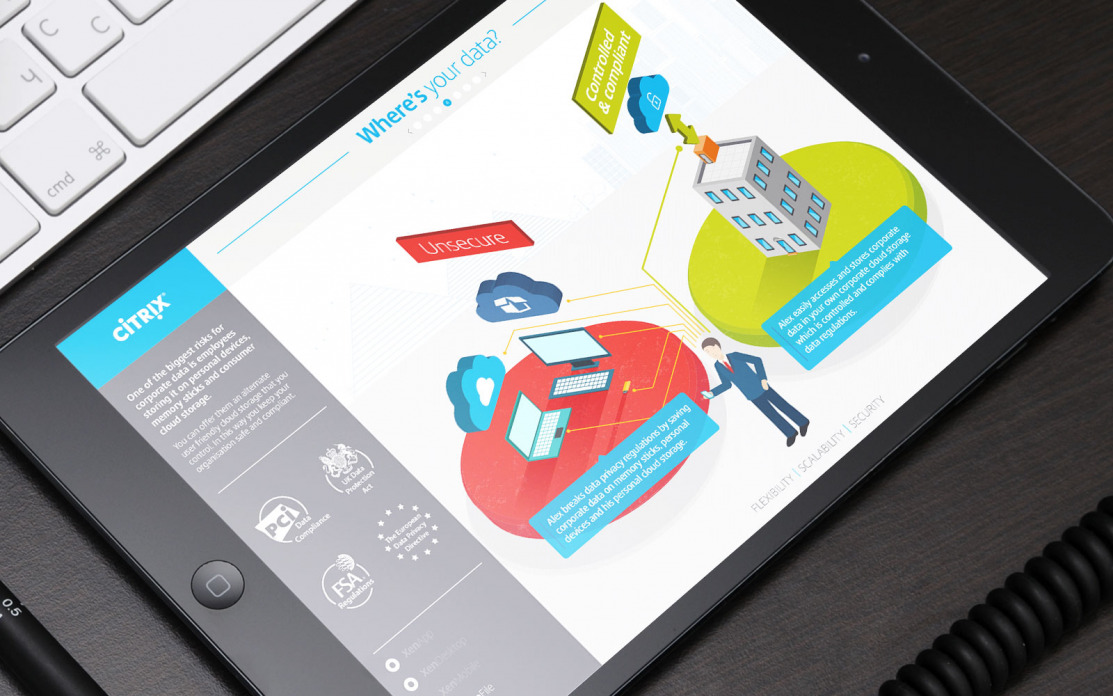
Facilitator Playbook: Interactive Q&A Presentations for Complex B2B Sales
Read
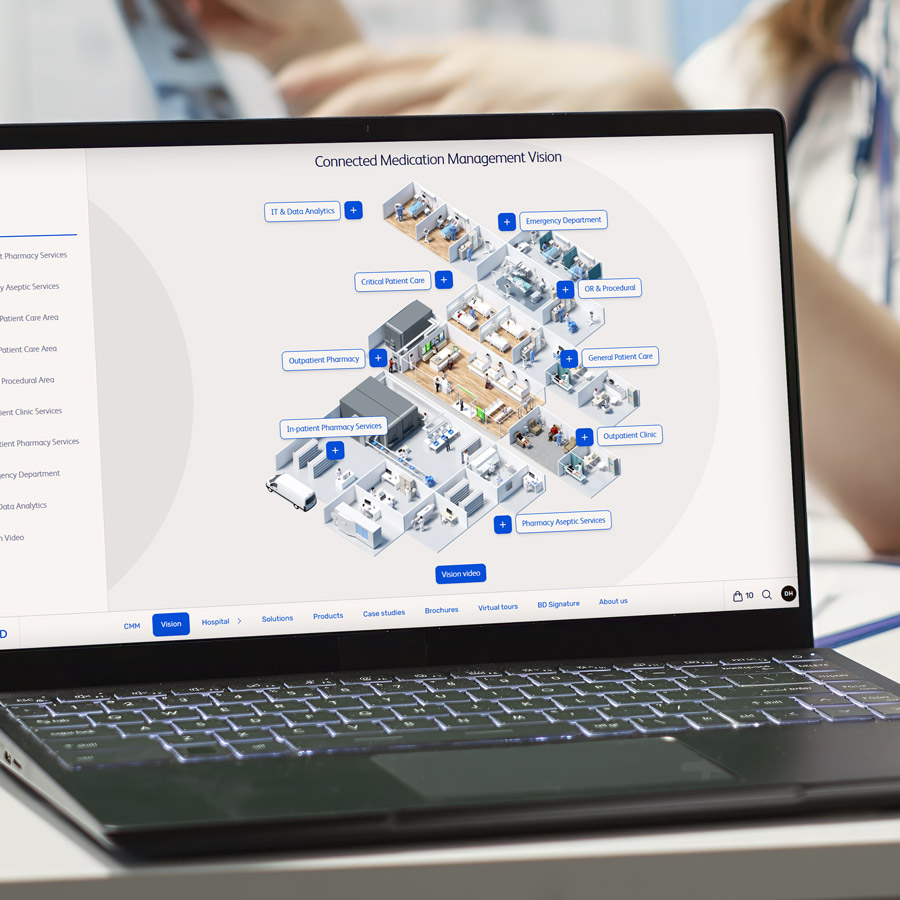
Digital Buyer Room Governance: Ownership, Access Control, and Content Lifecycle
Read
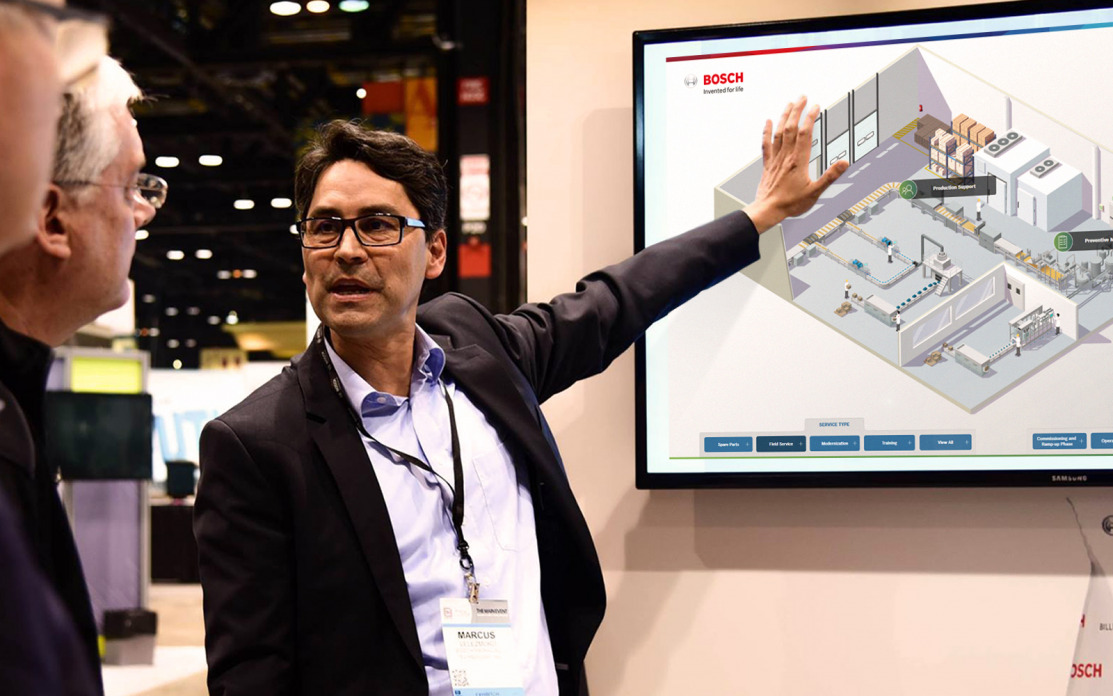
Complex B2B Platform RFP: Requirements, Scoring Matrix, and Pilot Plan
Read
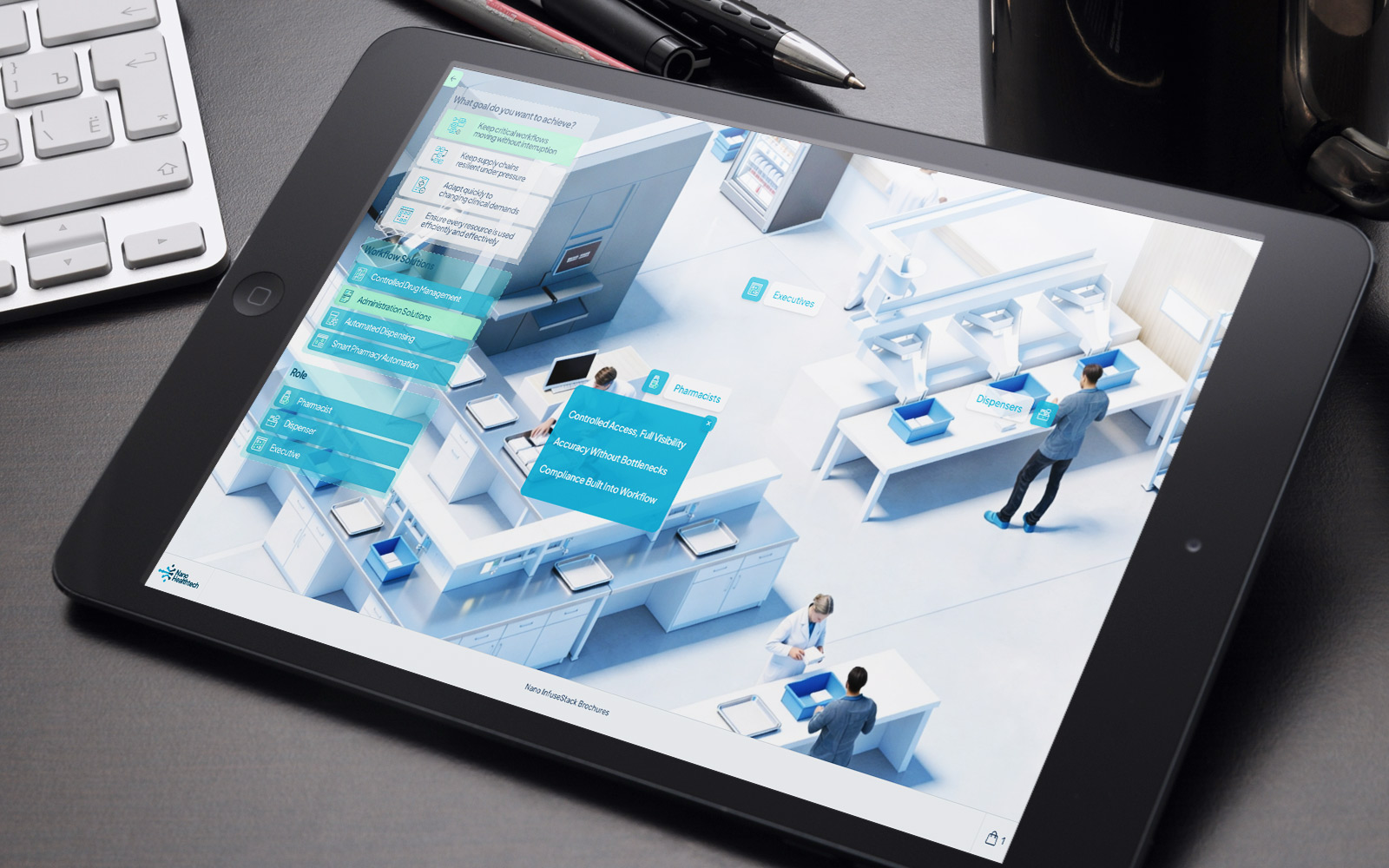
Decision Room Design Patterns for Buying Committees: Roles and Workflow
Read