




Industrial sales teams deal with a lot of pressure. Budgets are tight, ESG requirements are strict, supply chains are unpredictable, and companies want to upgrade systems without stopping production. Today, big decisions are made by cross-functional committees, not just one person.
In this situation, static slide decks, PDFs, and generic demos often create confusion instead of helping. Stakeholders from engineering to finance need information that speaks directly to their concerns. An interactive buyer experience platform gives everyone one visual place to explore your solution, find answers that fit their needs, and build agreement before budgets are set and deals get delayed.
Why Multi-Stakeholder Industrial Deals Stall
Most large industrial deals now involve:
- Sponsors who want strategic impact
- Day-to-day users who care about reliability and ease of use
- Technical approvers in engineering and IT
- Procurement and legal
- Executives focused on risk and return
Each of these groups knows their stuff, but they often have different priorities. When those priorities don’t match up, deals can slow down or even stop.
Common failure points look like this:
- Scattered content across emails, portals, and slide decks
- Different sales reps telling slightly different stories
- Too much technical detail too early, scaring off non-technical leaders
- No clear, shared view of the value story
These problems lead to longer sales cycles, more deals ending without a decision, pilots that never get off the ground, and many Q2 and Q3 opportunities slipping into the next year.
Core Principles of an Interactive Buyer Experience
In industrial sales, an interactive buyer experience platform is a single, visual, data-driven space that adapts to each stakeholder. It works like a dynamic deal room where everyone sees the same story, but with information tailored to their role.
Four core principles guide it:
- Buyer control: non-linear navigation so buyers can jump to what matters most
- Relevance: role-based views for engineering, operations, IT, procurement, and finance
- Clarity: visual models of complex systems, processes, and data flows
- Continuity: one connected narrative from marketing to sales to post-sale
This approach fits how buying works today. People want to learn on their own between meetings. Committees often include members from different sites or regions, with some in person and others remote. Every major capital request must pass a careful ROI and risk review before a purchase order is approved.
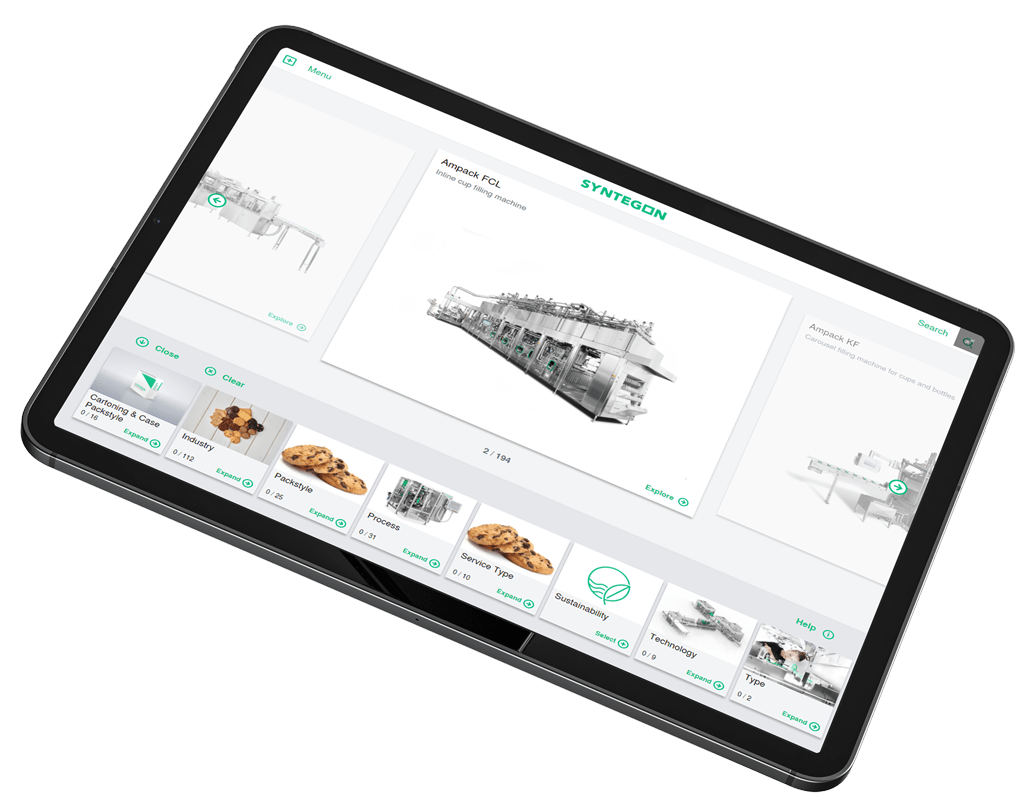
Step-by-Step Framework to Design Your Buyer Experience
1. Map stakeholders and buying scenarios. Start by getting clear on who actually touches the decision:
- Decision-makers, influencers, blockers, and end users
- Engineering, operations, IT, procurement, finance, HSE, and quality
- Site-level and group-level roles
Learn what each group cares about for different project types, like big capital projects, retrofits, and multi-site rollouts. Write down their common questions, what success looks like to them, and where they usually have concerns.
2. Define the core decision journeys.
Next, map 3 to 5 critical decision journeys that every buying group goes through. Typical ones include:
- Technical validation
- Risk, safety, and compliance review
- ROI, TCO, and payback analysis
- Implementation and change impact
Match each journey to your customer’s internal steps, like concept approval, building a business case, technical review, and executive sign-off. Your interactive buyer experience platform should help guide them through these steps, not just show off features.
3. Prioritize content and tools.
You don’t have to make every part interactive. Focus on the spots where deals often get stuck:
- System diagrams, architectures, and data flows
- Configurators to adjust scope, options, and integrations
- ROI and TCO calculators
- Use case explorers by sector or plant type
- Implementation timelines and risk mitigations
- Case studies that mirror their environment
Look at your current content and see where buyers often stop engaging, like when they’re building their internal business case or when IT and security get involved. These gaps are great chances to add interactive tools.
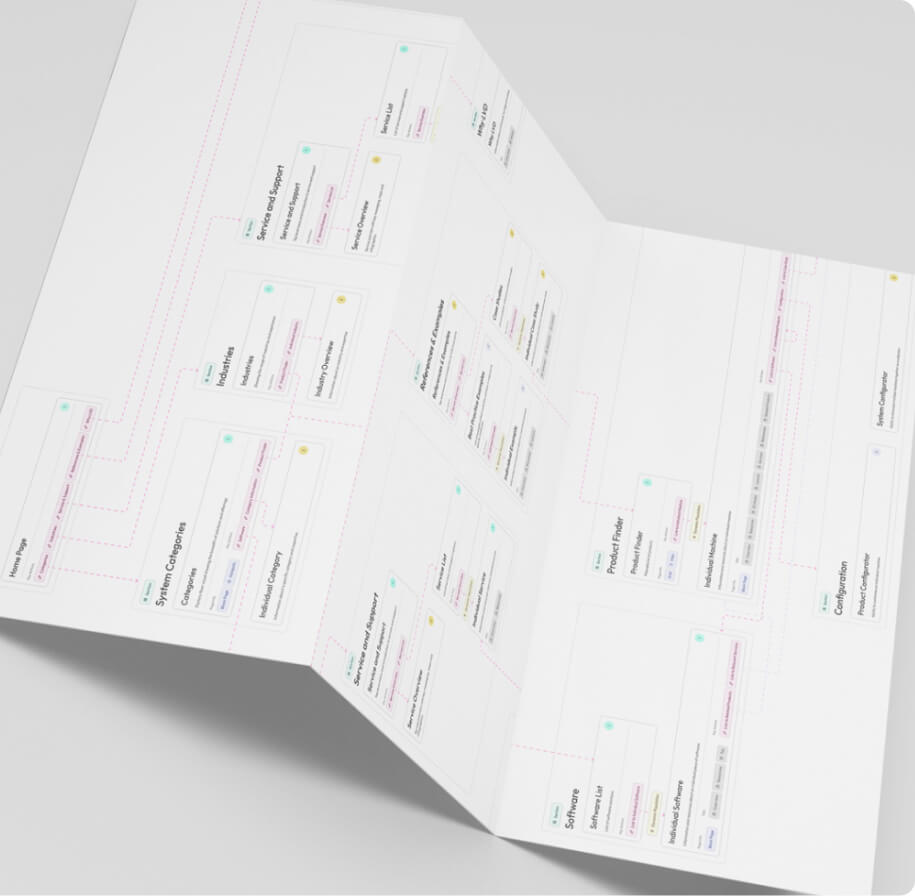
Building the Interactive Buyer Experience Platform
Turn complex stories into visual, navigable journeys
Industrial, healthcare, and advanced technology solutions are often complex. Instead of using long text and complicated diagrams, create visual canvases:
- Zoomable system maps that show plant, line, and asset views
- Drill-downs into components, data paths, and integrations
- Switchable layers for reliability, safety, ESG impact, and cost
- Clearly showing where value and opportunities exist
Design your content in modules so sales reps can mix and match it by industry, region, plant size, or project scope.
Support both guided and self-serve exploration
Your platform should work in different settings: on a touchscreen at a trade show, on a laptop during a virtual workshop, or on a tablet at a plant. Set it up so you can run:
- Sales-led sessions where a rep guides the story
- Buyer-led exploration between meetings
- Hybrid sessions where some stakeholders are in the room and others remote
This lets your internal champion keep the conversation going even when the sales rep isn’t there.
Align with your existing tech stack
To scale this, connect your interactive experience to your CRM, DAM, PIM, and other marketing tools. This way, you can bring in account details and send back engagement data. Set up clear content management so technical specs, compliance notes, and regional differences stay accurate and up to date for all teams.
Running High-Impact Interactive Sales Conversations
Orchestrate meetings around stakeholder outcomes
When you meet with a group of six or eight people from different functions, use the platform to quickly address what matters to each of them:
- Reliability, uptime, and maintenance for operations
- Safety, compliance, and ESG for HSE and quality
- Architecture, security, and integrations for IT
- TCO, payback, and risk for finance and executives
Work together to create solutions in real time by adjusting configurations, running scenarios, and showing how your solution fits into their environment. This shifts the conversation from pitching to problem-solving.
Enable hybrid and committee-based sessions
When you have both in-person and remote participants, run your sessions like workshops instead of lectures. Use:
- Simple interactive decision trees
- Role-based tracks inside the same experience
- Clear agendas that you follow inside the platform
Record key questions, decisions, and assumptions directly in the platform. This record becomes the single source of truth for the committee between meetings.
Turn every meeting into a reusable asset
After each session, spin out a customized interactive workspace that:
- Summarizes what was discussed and agreed
- Highlights tailored content for each stakeholder group
- Clarifies open questions and next steps
Your internal champion can then share this interactive story with their leadership team, without needing your sales rep there.
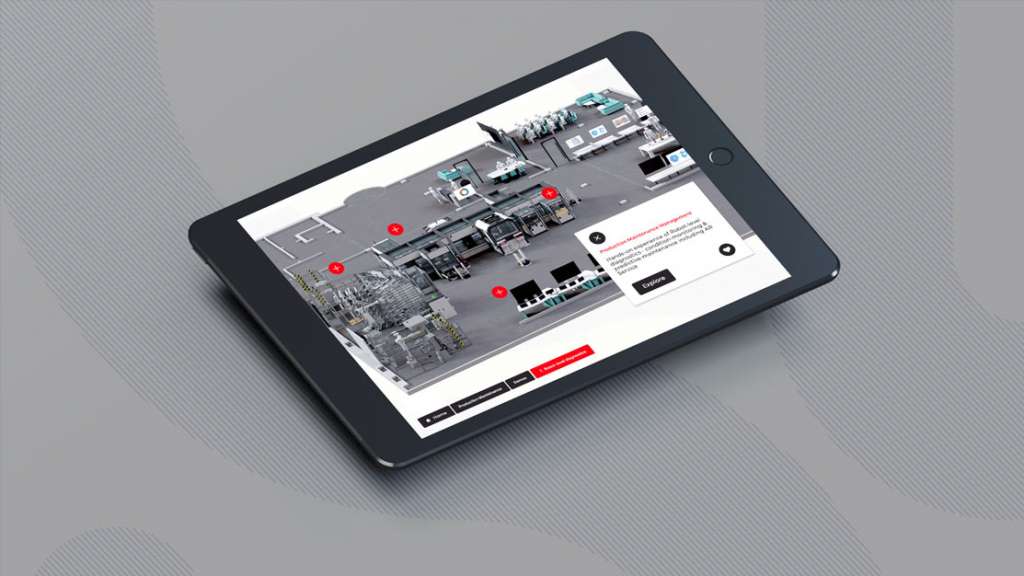
KPIs That Prove Your Interactive Strategy Is Working
To see if your interactive buyer experience platform is making a difference, track a mix of pipeline, engagement, and value KPIs.
Pipeline and velocity:
- Average sales cycle length by segment
- Stage-to-stage conversion, especially into executive review
- Percentage of no decision outcomes
- Number of deals slipping past planned close dates around budgeting windows
Engagement and stakeholder coverage:
- How many stakeholders per account use the platform
- Mix of roles engaging, like engineering, operations, finance, IT, procurement
- Session depth, for example time spent, journeys explored, tools used
Value and revenue impact:
- Win rate and average deal size for opportunities using the platform
- Cross-sell and upsell on multi-site or framework deals
- Renewal rates, expansion velocity, and overall customer lifetime value
When these indicators move in the right direction, you know your sales team isn’t just pushing content anymore. You’re helping buying groups reach clear, confident yes decisions together.
At POPcomms, we’ve seen that when complex industrial, healthcare, and advanced technology solutions are turned into clear, interactive stories, sales teams stop getting stuck in endless committee debates and start working with their customers to design outcomes together.
FAQ: Interactive Buyer Journeys for Complex B2B Deals
What exactly is an “interactive buyer experience platform” (and how is it different from a data room or a microsite)?
Think of it as a visual, guided deal space built for decision-making, not just file sharing. Unlike a typical data room, it’s designed to help different stakeholders navigate the same story in their own way,engineering can dive into architectures and integrations, while finance can jump straight to TCO, payback, and risk. And unlike a static microsite, it’s modular, role-aware, and built to support live workshops and self-serve exploration between meetings.
Do we need to rebuild all our content to make this work?
No. The fastest path is to keep most of what you already have and make only the “friction points” interactive,where deals usually stall. Start with 2–3 high-impact modules like a system map, a configurator, and an ROI/TCO model. Then layer in implementation timelines, risk mitigations, and case studies that mirror the buyer’s environment as you scale.
Who should own the buyer experience internally,marketing, sales, or product?
In practice, it works best as a shared system with clear lanes:
- Marketing owns the core narrative, content standards, and governance
- Sales owns deal-specific tailoring, meeting workflows, and follow-up workspaces
- Product/engineering owns technical accuracy, specifications, and approved configurations If no one owns it end-to-end, the experience gets fragmented fast,so assign a single platform owner to manage updates, templates, and measurement.
How do we keep technical specs, compliance notes, and regional differences accurate over time?
Treat the platform like a “single source of truth” with controlled modules, not a collection of one-off decks. Set up content governance early: versioning, approval workflows, and clear rules for what can be customized by sales versus what must remain locked (like safety, compliance, or validated performance claims). This is where connecting to your existing content systems and keeping modules reusable pays off.
What KPIs should we track first to prove it’s working?
Start with a simple set that shows both usage and commercial impact:
- Stakeholder coverage (how many roles are engaging per account)
- Journey depth (which decision journeys are being explored and for how long)
- Stage movement (conversion into technical review and executive sign-off)
- Reduction in “no decision” outcomes and deal slippage around budgeting windows Once you see consistent engagement across the committee, it becomes much easier to tie the platform to win rate, deal size, and cycle time.
Next Steps: Implementing an Interactive Buyer Experience
If you are ready to make every customer meeting more engaging and memorable, our interactive buyer experience platform shows what is possible in real-world sales environments.
At POPcomms, we work closely with your team to turn complex products and messages into clear, interactive stories your buyers can actually explore. Tell us about your goals and challenges, and we will help you shape a roadmap that fits your sales process.
To start a conversation with our team, simply book a consultation today.

Related Posts
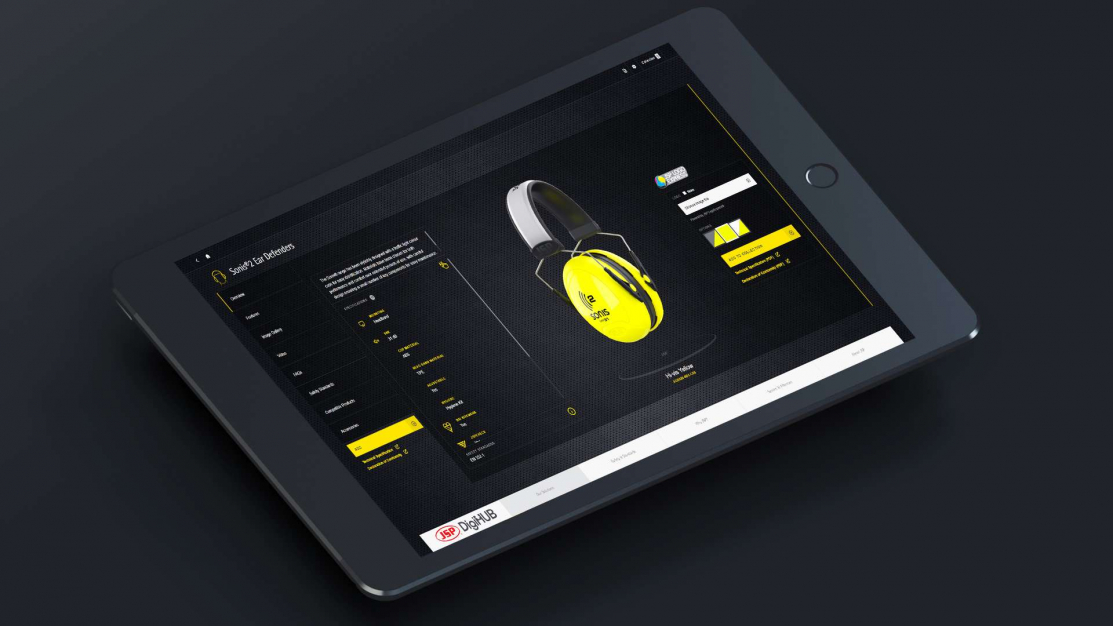
JSP Safety – Key Account Director outlines the transformative benefits of their buyer enablement platform
Read
How POP’s Platform Can Help with Revenue Enablement
Read
Digital Transformation Can Bolster Sales & Marketing in the COVID-19 World
Read
Why Interactive Sales Tools Are So Effective at Building Long-Term Customer Relationships
Read